

Seeing a doctor for the first time can feel a little stressful. Many people wonder what will happen, how long it will take, and what they should bring. The good news is that a first visit is usually simple, relaxed, and focused on getting to know you and your health needs.

Choosing a Primary Doctor North in Miami Beach patients trust is an important step toward better long-term health. Your first appointment is not just about checking symptoms. It’s about building a relationship, understanding your medical history, and creating a plan that fits your lifestyle.
Whether you are new to the area, switching providers, or finally scheduling a long-overdue checkup, knowing what to expect can make the experience much easier.
Preparing for Your Appointment
Walking into your visit fully prepared helps everything go smoothly. Most clinics try to keep the process efficient, but a few simple steps on your end can save time and reduce stress.
Bring Important Documents
Before leaving for your appointment, gather the basics. Having the right information prevents delays and allows your doctor to focus on your care rather than paperwork.
Helpful items to bring include:
- A valid photo ID
- Insurance card (if you have one)
- List of current medications
- Previous medical records (if available)
- Emergency contact information
If you take prescription medications, write down the names, dosages, and how often you take them. Even better, bring the bottles.
Know Your Medical History
You don’t need to memorize every detail of your past health, but having a general understanding is useful. Your doctor may ask about:
- Past illnesses or surgeries
- Ongoing conditions
- Allergies
- Family health history
- Lifestyle habits
If certain conditions run in your family, such as high blood pressure or diabetes, mentioning them helps your provider better assess potential risks.
Checking In at the Office
Your visit officially starts when you arrive at the clinic. While this part is mostly administrative, it plays an important role in organizing your care.
Completing Forms
If you did not fill out forms online ahead of time, you may be asked to complete them in the waiting area. These forms usually cover:
- Personal information
- Insurance details
- Medical history
- Consent for treatment
This information becomes part of your medical record and helps the clinical team understand your background.
Initial Measurements
Before seeing the doctor, a medical assistant or nurse typically records your vital signs. These quick checks provide important clues about your overall health.
Common measurements include:
- Blood pressure
- Heart rate
- Temperature
- Height and weight
- Oxygen levels
These numbers help establish a baseline that your doctor can monitor over time.
Meeting Your Doctor
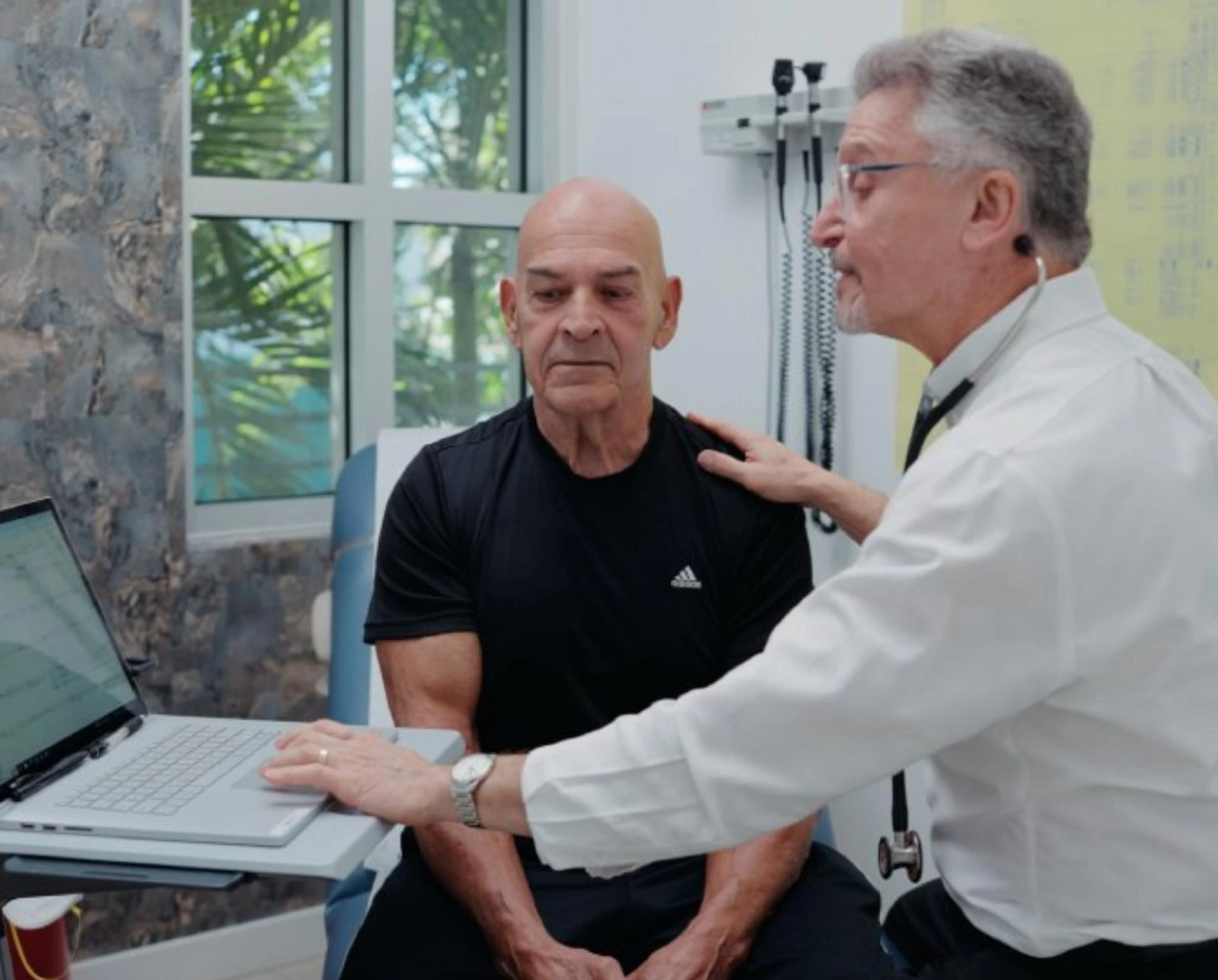
This is the most important part of the visit. Your provider’s goal is to understand you as a whole person, not just a set of symptoms.
Discussing Your Health Concerns
Expect your doctor to ask questions about your current health, even if you feel perfectly fine. These conversations may include:
- Any recent symptoms
- Chronic conditions
- Pain or discomfort
- Sleep patterns
- Stress levels
Honesty matters here. There is no judgment. The more accurate your answers, the better your care.
If something feels minor, mention it anyway. Small issues can sometimes signal larger concerns.
Reviewing Your Lifestyle
Your daily habits affect your health more than many people realize. Your doctor may ask about:
- Diet
- Exercise
- Smoking or alcohol use
- Work environment
- Mental well-being
These questions help identify patterns that may impact your health today or in the future.
The Physical Examination
A first visit usually includes a basic physical exam. This is not painful or invasive. It’s simply a routine check of your body’s overall function.
What the Exam May Include
Depending on your age, health, and concerns, the exam may involve:
- Listening to your heart and lungs
- Checking ears, nose, and throat
- Examining abdomen
- Testing reflexes
- Evaluating joints or muscles
The doctor may also look for visible signs of common conditions, such as swelling, skin changes, or breathing irregularities.
Why This Step Matters
Even if you feel healthy, many conditions develop quietly. High blood pressure, for example, often has no obvious symptoms. Routine exams help catch issues early, when they are easier to manage.
Possible Tests or Screenings
Not every first visit requires tests, but your doctor may recommend certain screenings based on your history and risk factors.
Common Preventive Tests
Examples of tests that might be suggested include:
- Blood work
- Cholesterol screening
- Blood sugar testing
- Urine analysis
- Electrocardiogram (EKG)
These tests help evaluate internal health markers that cannot be seen during a physical exam.
Personalized Recommendations
Screenings are rarely “one-size-fits-all.” Your provider considers factors such as:
- Age
- Family history
- Existing conditions
- Lifestyle risks
The goal is prevention, not unnecessary testing.
Talking About Treatment or Next Steps
Your first visit is often about assessment rather than immediate treatment, but you will usually leave with a clear understanding of what comes next.
Creating a Care Plan
If any issues are identified, your doctor may discuss:
- Medication options
- Lifestyle changes
- Follow-up visits
- Specialist referrals
This plan is designed to be realistic. Good healthcare works with your daily life, not against it.
Asking Questions
Never hesitate to speak up. A first visit is the perfect time to clarify anything you don’t understand.
Patients commonly ask about:
- Test results
- Medication side effects
- Preventive care
- Warning signs to watch for
Clear communication leads to better outcomes.
Understanding Follow-Up Care
Healthcare is a continuous process. Even if everything looks good, regular visits play an important role in maintaining long-term wellness.
When You May Need Another Visit
Follow-ups may be scheduled for:
- Reviewing test results
- Monitoring blood pressure
- Adjusting medications
- Managing chronic conditions
Routine care helps prevent small problems from turning into larger ones.
Building a Long-Term Relationship
Over time, your doctor becomes familiar with your medical history, preferences, and health patterns. This relationship improves diagnostic accuracy and personalized care.
Reducing First-Visit Anxiety
Feeling nervous before an appointment is completely normal. Many patients experience some level of anxiety.
Practical Ways to Feel More Comfortable
Simple strategies can help ease stress:
- Arrive early
- Write down questions
- Bring a family member if needed
- Share concerns openly
Remember, your doctor’s role is to help, not judge.
Shifting Your Perspective
Instead of seeing the visit as something to fear, think of it as an investment in your health. Preventive care often saves time, money, and discomfort in the long run.
Why First Visits Matter More Than You Think
Some people delay care because they feel fine. Others wait until symptoms become severe. Both approaches can create avoidable health risks.
Early evaluations allow doctors to:
- Detect hidden conditions
- Identify risk factors
- Provide preventive guidance
- Establish health baselines
Good primary care is not just about treating illness. It’s about maintaining stability, energy, and quality of life.
Final Thoughts
A first doctor’s visit is rarely complicated or overwhelming. In most cases, it is a calm conversation, a basic exam, and a chance to understand your health more clearly.
Knowing what happens during the appointment removes much of the uncertainty. With preparation, open communication, and realistic expectations, the experience becomes straightforward and productive.
Taking that first step toward consistent medical care can make a meaningful difference in how you feel today and how well you stay in the years ahead.




























Sign in to leave a comment.