

Bipolar disorder is a complex mental health condition that requires careful, ongoing support, and in recent years, many individuals have begun exploring options such as online therapy for bipolar disorder as a flexible and accessible form of care. This shift toward digital mental health services has made it easier for people to connect with licensed professionals without the barriers of travel, scheduling conflicts, or geographical limitations. For many, it represents an important entry point into consistent psychological support, especially when managing fluctuating mood states that can impact daily functioning, relationships, and work performance.
In parallel, the broader landscape of digital mental health care has expanded to include related services such as ptsd therapy online, online PTSD therapy, and virtual trauma counseling, which often overlap in therapeutic approaches like cognitive behavioral therapy and trauma-informed care. These services reflect a growing demand for structured, evidence-based mental health treatment that can be delivered remotely while maintaining clinical effectiveness. Understanding how online therapy works for bipolar disorder specifically helps set realistic expectations and improves engagement with the process.
Understanding How Online Therapy for Bipolar Disorder Works
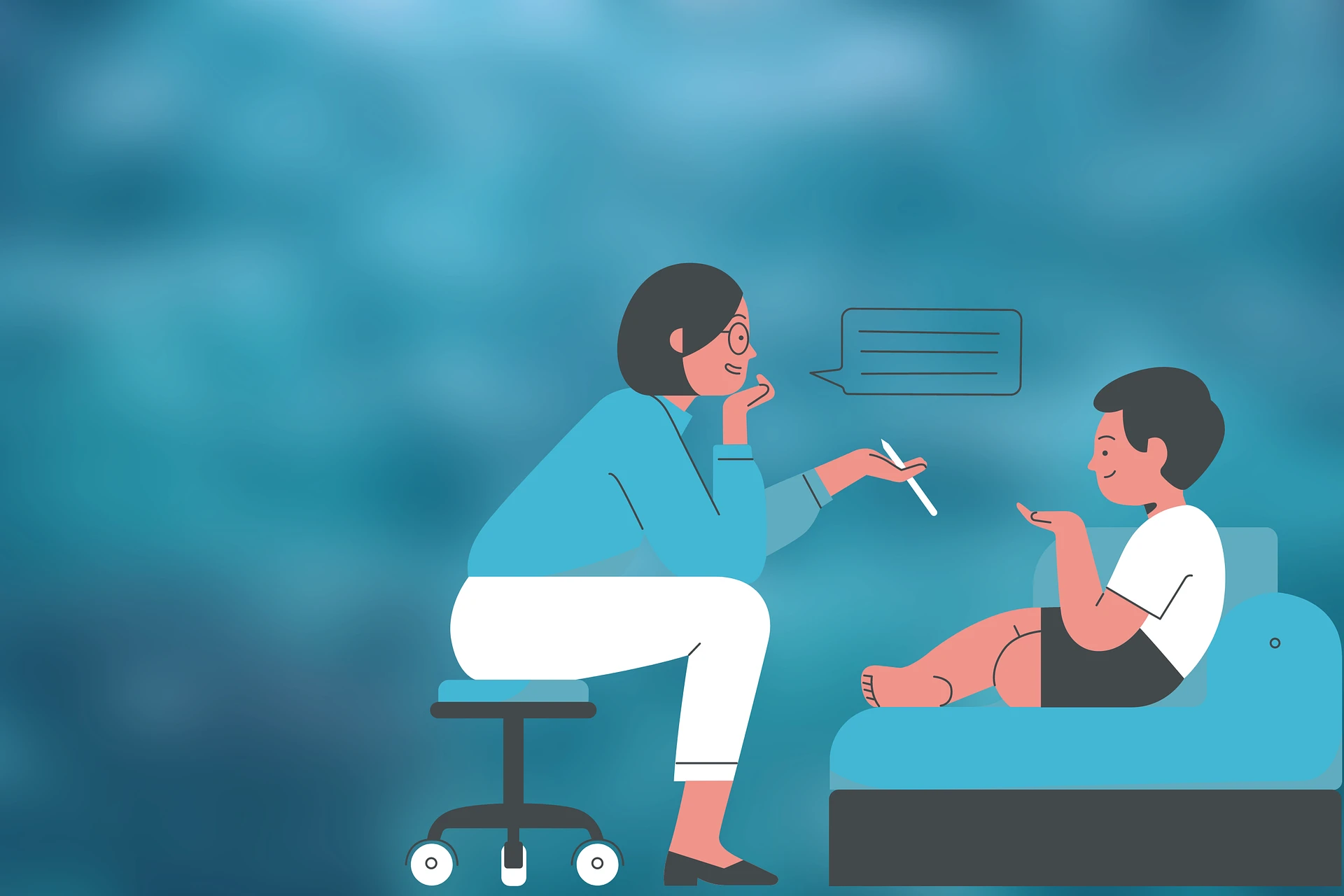
Online therapy for bipolar disorder typically involves structured sessions with a licensed therapist or clinical psychologist conducted through video calls, secure messaging platforms, or phone sessions. The primary goal is not only to manage symptoms but also to help individuals recognize mood patterns, develop coping strategies, and maintain stability over time. Unlike general counseling, therapy for bipolar disorder often requires a more structured approach, including mood tracking, behavioral analysis, and coordination with psychiatric care when medication is involved.
A key aspect of this process is psychoeducation, where individuals learn how bipolar disorder affects thought patterns, energy levels, and decision-making. This awareness is critical because it allows people to identify early warning signs of manic or depressive episodes. Online platforms often integrate digital tools such as mood journals or symptom trackers, enabling clients and therapists to review patterns collaboratively and adjust treatment strategies accordingly.
What to Expect in Early Sessions and Assessment Phase
The initial phase of online therapy usually focuses on assessment and history-taking. Therapists gather detailed information about mood episodes, sleep patterns, family history, stress triggers, and previous treatments. This stage is essential for forming an accurate clinical understanding and may take several sessions to complete.
During this phase, individuals should expect structured questioning rather than open-ended conversation alone. The therapist may explore how often mood shifts occur, how severe they are, and how they impact daily functioning. Some clients may also be asked to complete standardized screening tools to measure depression or mania severity. This data helps establish a baseline for treatment progress.
It is also common for therapists to discuss safety planning early in treatment. Because bipolar disorder can involve periods of impulsivity or emotional instability, having a clear plan for crisis situations is considered a standard part of care. This may include identifying support contacts, coping strategies, and steps to take if symptoms escalate.
Therapeutic Approaches Commonly Used in Online Care
Several evidence-based approaches are commonly used in online therapy for bipolar disorder, with cognitive behavioral therapy (CBT) being one of the most widely applied. CBT focuses on identifying distorted thinking patterns and replacing them with more balanced and realistic perspectives. For individuals with bipolar disorder, this can help reduce the intensity of depressive thinking or manage impulsive decisions during elevated mood states.
Another frequently used method is interpersonal and social rhythm therapy (IPSRT), which emphasizes maintaining consistent daily routines. Stability in sleep, meals, and activity levels is particularly important for mood regulation. Online therapists often help clients establish structured routines and monitor disruptions that may signal a shift in mood.
Mindfulness-based interventions are also used to improve emotional regulation. These techniques encourage individuals to observe thoughts and feelings without immediate reaction, which can be especially helpful during early signs of mood escalation. Combined, these approaches aim to provide a balanced toolkit that supports long-term mood stability rather than short-term symptom relief alone.
Role of Medication Management and Psychiatric Coordination
While online therapy plays a significant role in managing bipolar disorder, it is often most effective when combined with psychiatric care. Many individuals require medication such as mood stabilizers or antipsychotics to regulate brain chemistry and prevent extreme mood swings. Online therapists typically do not prescribe medication but may coordinate with psychiatrists or encourage clients to maintain regular psychiatric consultations.
This collaborative model ensures that both psychological and biological aspects of the disorder are addressed. For example, a therapist may notice early signs of hypomania through session discussions and recommend a medication review. This integrated approach helps reduce the risk of relapse and supports long-term stability.
It is important for individuals to understand that medication adherence is often a key factor in treatment success. Online therapy can support this by addressing concerns about side effects, reinforcing consistency, and helping individuals build routines that support adherence.
Challenges and Limitations of Online Therapy
Although online therapy offers many benefits, it also has limitations that should be acknowledged. One of the primary challenges is the lack of physical presence, which can make it harder for therapists to observe non-verbal cues such as subtle changes in behavior or energy levels. This is particularly relevant in bipolar disorder, where early signs of mood shifts can be nuanced.
Technology access and privacy concerns can also affect the quality of care. A stable internet connection and a private space are necessary for effective sessions, and not all individuals have consistent access to these conditions. Additionally, crisis situations may require in-person intervention, which online platforms alone cannot fully provide.
Despite these limitations, many studies suggest that online therapy can be as effective as in-person therapy for a range of mental health conditions when delivered by qualified professionals and supported by appropriate clinical protocols.
Long-Term Expectations and Progress in Therapy
Progress in online therapy for bipolar disorder is typically gradual and requires ongoing commitment. Rather than expecting immediate changes, individuals often work toward building long-term stability, improving self-awareness, and reducing the frequency and severity of mood episodes. Over time, many people develop stronger emotional regulation skills and a better understanding of their personal triggers.
Therapy also evolves as individuals progress. Early sessions may focus on stabilization and education, while later stages may emphasize relapse prevention, life goals, and relationship management. The flexibility of online platforms allows for continuity of care even during life transitions, travel, or schedule changes, which is particularly beneficial for maintaining consistency in treatment.
Conclusion
Online therapy for bipolar disorder represents a structured and accessible approach to managing a complex mental health condition. Through assessment, evidence-based therapeutic techniques, and collaboration with psychiatric care when needed, individuals can gain tools to better understand and regulate their mood patterns. While it is not without limitations, its flexibility and growing clinical support make it a meaningful option for long-term mental health management.




























Sign in to leave a comment.