

Composite bonding veneers have rapidly gained popularity as a viable option for individuals seeking to enhance their smiles. This innovative dental procedure not only improves the aesthetics of teeth but also provides a solution for various dental imperfections.
Understanding what to expect from composite bonding veneers can help individuals make informed decisions about their dental care.
The Basics of Composite Bonding Veneers
Composite bonding veneers are thin layers of a tooth-coloured resin applied to the surface of teeth to improve their appearance. The process typically involves the careful application of a composite resin, which is sculpted to create the desired shape and finish. Unlike traditional veneers, which often require a significant amount of enamel removal, composite bonding veneers are less invasive, making them an appealing option for many patients.
The application process begins with an initial consultation where the dentist evaluates the patient’s dental health and discusses their aesthetic goals. This dialogue is crucial, as it allows the dentist to understand the specific imperfections the patient wishes to address, such as discolouration, chips, or gaps between teeth. By tailoring the treatment to the individual’s needs, composite bonding veneers can effectively enhance the overall smile.
The Application Process
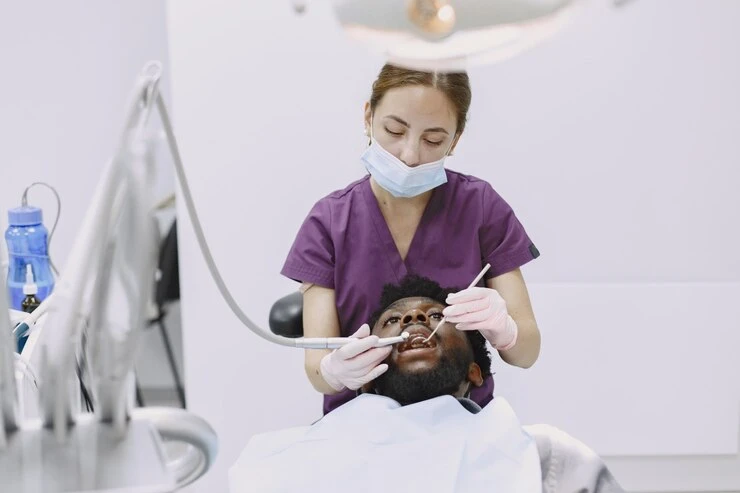
The application of composite bonding veneers is a relatively straightforward procedure, often completed in a single visit to the dental practice. Initially, the dentist prepares the tooth surface by cleaning it thoroughly. This step is essential to ensure that the composite resin adheres properly and achieves a lasting bond.
Next, the dentist applies a bonding agent to the tooth, which acts as a primer for the composite resin. The resin is then carefully layered onto the tooth and sculpted to create a natural appearance. This skillful technique is where the artistry of the dentist truly shines; they must blend the resin to match the colour of the surrounding teeth, ensuring a seamless finish. Once the desired shape and colour are achieved, a special light is used to harden the composite material, securing it in place.
Following the application, the dentist will refine the veneers, smoothing out any rough edges and polishing the surface for a glossy finish. The result is a beautifully enhanced smile that looks and feels natural. Patients often leave the dental practice feeling more confident in their appearance, eager to showcase their new teeth.
Benefits of Composite Bonding Veneers
One of the most notable advantages of composite bonding veneers is their versatility. They can effectively address a myriad of dental concerns, including chips, cracks, discolouration, and even misaligned teeth. This adaptability means that composite bonding veneers can be an excellent solution for various patients, regardless of their unique dental challenges.
Moreover, the procedure is less time-consuming compared to other cosmetic dental options, such as porcelain veneers. For those with busy lifestyles, the prospect of achieving a stunning smile in just one visit can be incredibly appealing. Additionally, composite bonding veneers are often more cost-effective than their porcelain counterparts, making them accessible to a broader range of patients.
Another significant benefit is the conservative nature of the treatment. As previously mentioned, composite bonding veneers require minimal removal of tooth enamel, preserving the integrity of the natural tooth. This aspect not only promotes better long-term dental health but also allows for easier adjustments or replacements in the future if necessary.
Maintenance and Longevity
While composite bonding veneers are designed to be durable, they do require some level of maintenance to ensure their longevity. Patients should be mindful of their oral hygiene practices, as good care will significantly extend the life of the veneers. Regular brushing and flossing, along with routine dental check-ups, are essential to keep both the veneers and the underlying teeth in optimal condition.
It is also wise for patients to avoid habits that can damage the veneers, such as biting down on hard objects or using teeth as tools. Although composite bonding veneers are resilient, they are not impervious to wear and tear. With proper care, however, these veneers can last several years, often between five to ten years, before requiring touch-ups or replacements.
The Emotional Impact of Enhanced Smiles
Beyond the physical aspects of composite bonding veneers lies a profound emotional impact. The confidence that comes from an improved smile can be transformative. Many patients report feeling more self-assured in social situations, leading to enhanced interactions and opportunities. The ability to smile freely without feeling self-conscious about one’s teeth can significantly improve overall quality of life.
Moreover, the psychological benefits of dental aesthetics are well documented. Improved self-esteem often translates into better mental health, fostering a positive self-image. For many, investing in their smile is not just about aesthetics; it is about reclaiming their confidence and enhancing their overall well-being.
In this fast-paced world, where first impressions matter, composite bonding veneers serve as a valuable tool for individuals seeking to enhance their appearance. The expectations surrounding this treatment are largely positive, with many patients finding that the results far exceed their initial hopes. By understanding what to expect from composite bonding veneers, individuals can make educated choices about their dental care and embark on a journey towards a brighter, more confident smile.































Sign in to leave a comment.