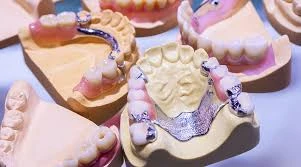

Losing teeth can affect more than just your smile. It can change the way you eat, speak, and feel about yourself. Dentures are a reliable solution for replacing missing teeth and restoring confidence. If you are considering this treatment, it is important to understand the basics before making a decision.
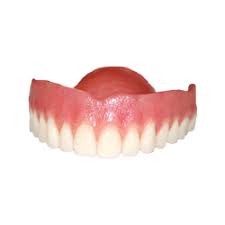
Understanding What Dentures Are
Dentures are removable appliances designed to replace missing teeth. They are custom-made to fit your mouth and look as natural as possible. There are two main types: complete dentures and partial dentures.
Complete dentures are used when all teeth are missing in the upper or lower jaw. Partial dentures are recommended when some natural teeth remain. Your dentist will examine your mouth and recommend the best option for your needs.
The Importance of a Proper Fit
A proper fit is essential for comfort and function. Dentures that are too loose may slip while eating or speaking. Dentures that are too tight can cause sore spots and irritation.
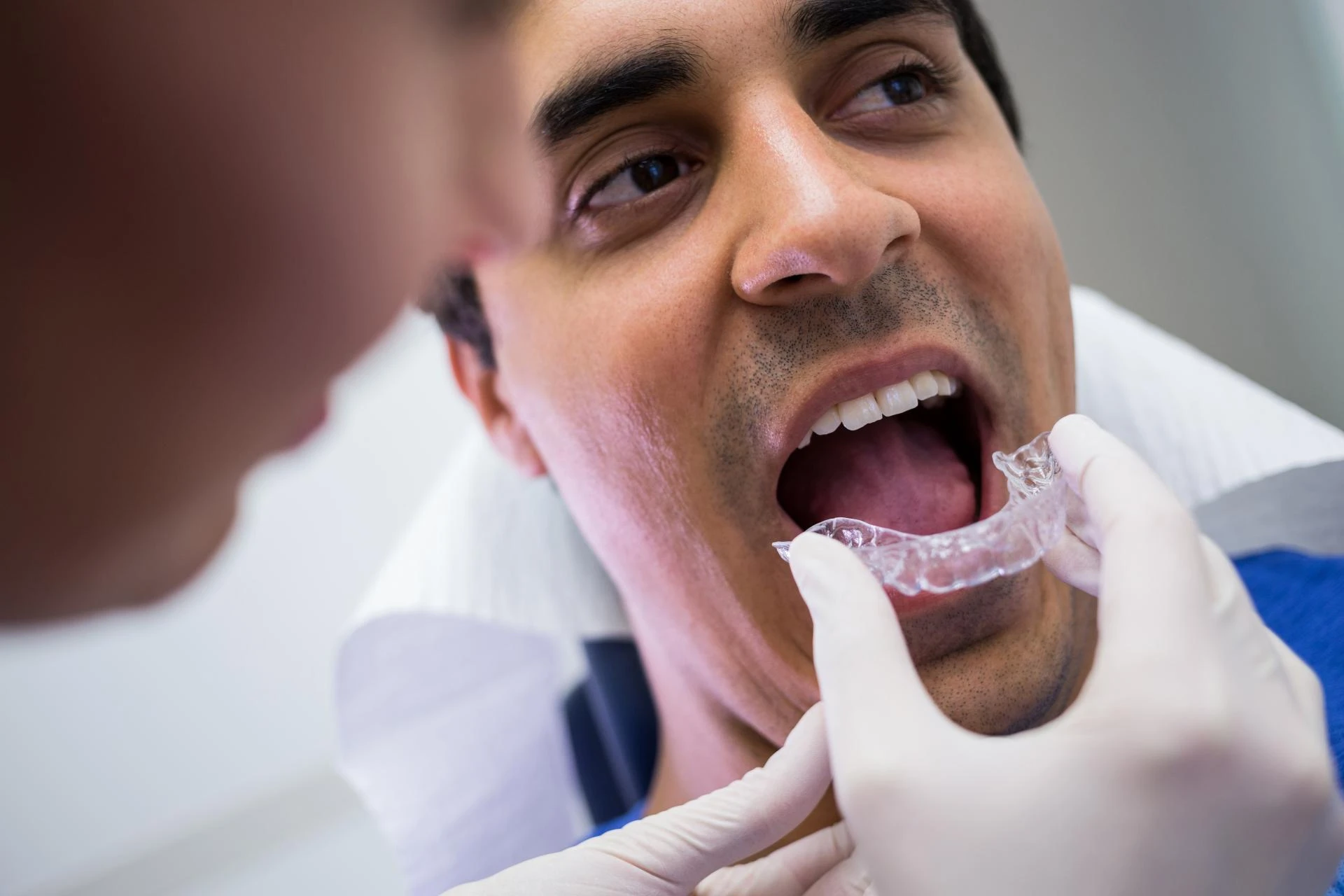
Your dentist will take impressions of your mouth to create dentures that fit securely. It may take a few adjustments after you first receive them. This is normal, as your mouth needs time to adapt.
The Adjustment Period
It is common to experience a short adjustment period after getting dentures. You may notice mild soreness, increased saliva, or slight difficulty speaking clearly. These issues usually improve within a few weeks as your mouth gets used to the new appliance.
Start with soft foods and chew slowly. Cut food into small pieces and avoid very sticky or hard items in the beginning. With practice and patience, eating and speaking will feel more natural.
Caring for Your Dentures
Proper care is important to make your dentures last longer. Clean them daily using a soft brush and a denture cleaner. Avoid regular toothpaste, as it can scratch the surface.
Remove your dentures at night and soak them in water or a denture solution. This helps maintain their shape and keeps them clean. Also, gently brush your gums and tongue each day to maintain good oral health.
Regular dental checkups are still necessary, even if you have full dentures. Your dentist will check the fit and ensure your gums remain healthy.
Long-Term Changes in Your Mouth
Over time, your gums and jawbone may change shape. This can affect how your dentures fit. Periodic adjustments or relining may be needed to keep them comfortable and secure.
Being aware of these natural changes helps you plan for long-term care. If you ever notice discomfort, slipping, or damage, contact your dental professional for advice.
Confidence and Lifestyle Benefits
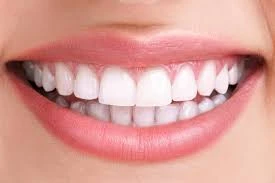
Dentures can improve both function and appearance. They help restore your ability to chew properly and speak clearly. Most importantly, they can bring back your confidence when smiling and interacting with others.
If you are researching dentures henderson options, take the time to choose a dental provider who listens to your concerns and explains the process clearly. Good communication and professional guidance make the experience much smoother.
Making the Right Decision
Getting dentures is a personal decision that can positively impact your quality of life. Understanding the types available, the adjustment process, and the importance of proper care will help you feel prepared.
With the right information and professional support, dentures can provide a comfortable and long-lasting solution for missing teeth. Taking the first step toward treatment could be the beginning of a healthier, more confident smile.



























Sign in to leave a comment.