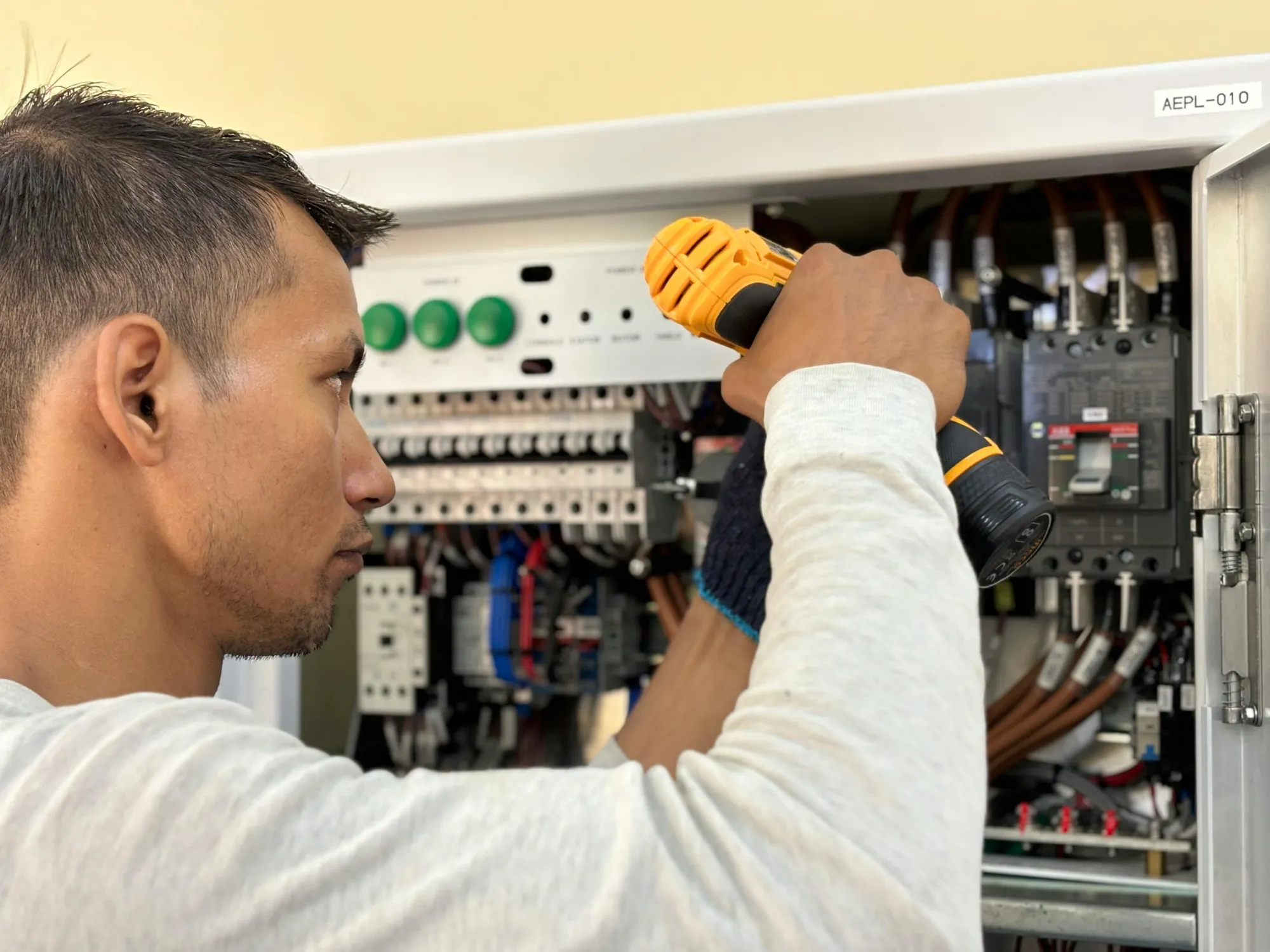

Electricity runs everything in your home or business. It also causes thousands of structure fires every year. Yet many property owners hire the first electrician they find online or agree to a low quote without checking anything first.
Who you hire for electrical work affects your safety, your property value, and your insurance coverage. Take this decision seriously.
When You Need a Professional Electrician
Some electrical tasks require a licensed professional. Here are the situations where you should always call one:
- Your circuit breakers trip often or without a clear reason
- Your outlets feel warm, spark, or stop working
- You are planning a kitchen or bathroom renovation with new circuits
- Your home has an older fuse box or outdated wiring
- You want to add indoor or outdoor lighting
- You need a dedicated outlet for an electric vehicle charger
- Your business needs more electrical capacity
These are not minor issues. Amateur work on any of them creates real risks for your family, your tenants, or your employees.
Why Substandard Electrical Work Costs More
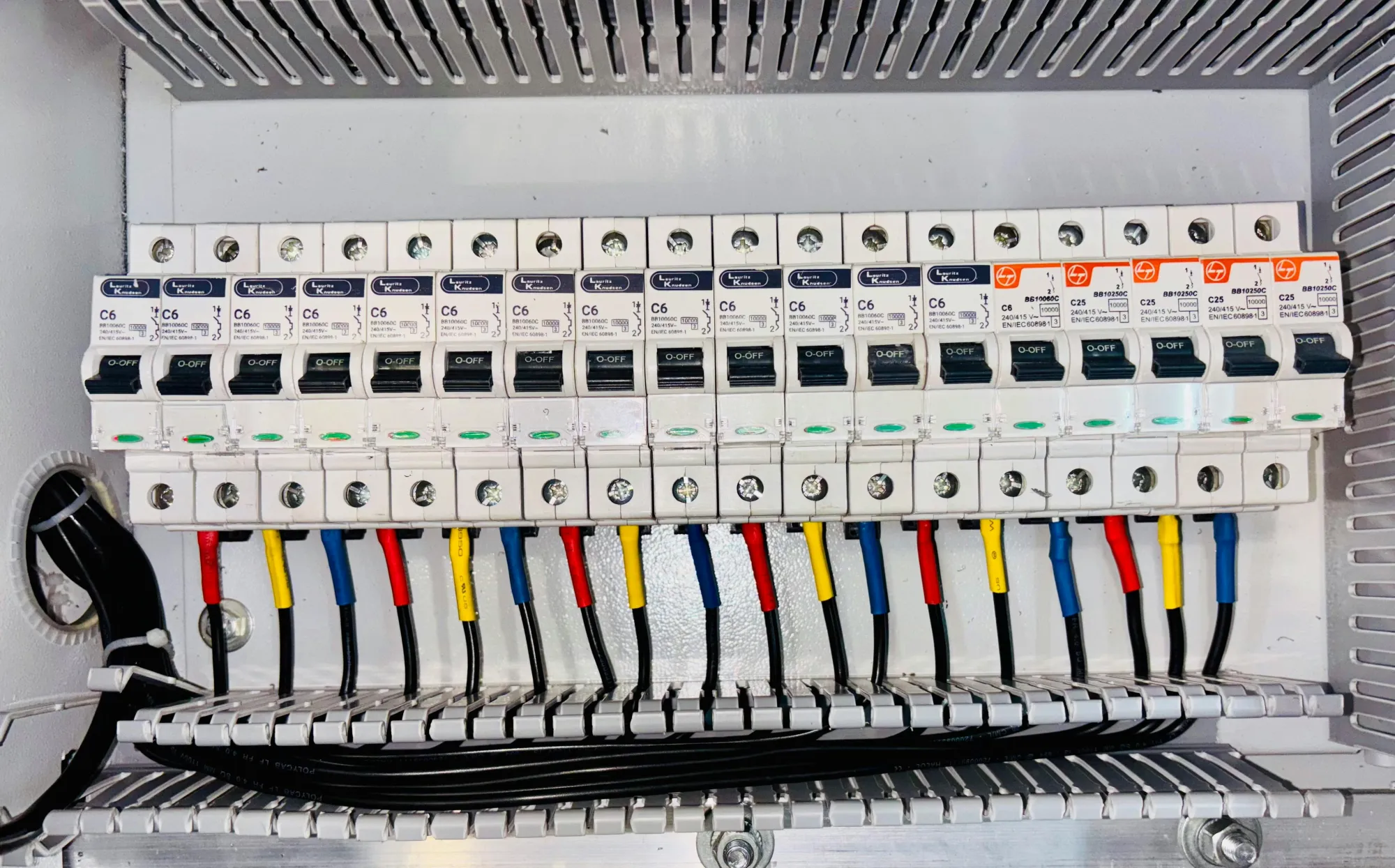
Cutting corners on electrical work leads to bigger problems.
Safety risks show up fast. Improperly wired outlets, loose connections, or undersized wiring start fires inside walls. You often see no warning before serious damage is done.
Code violations slow down property sales. If a home inspector finds unpermitted electrical work, your sale gets delayed or falls through. Fixing the problem before closing costs both time and money.
Insurance claims get denied. Many homeowners and commercial property insurance policies exclude damage from unlicensed or unpermitted work. A shortcut today puts your coverage at risk.
Problems grow over time. A poorly installed circuit does not stay stable. Connections loosen, insulation wears down, and a small issue becomes a large repair.
What to Look for When Hiring an Electrical Contractor
Not all electricians deliver the same quality of work. Check these things before you hire anyone.
Licensing and insurance. In California, electrical contractors must hold a valid C-10 license issued by the Contractors State License Board (CSLB). Ask to see it and verify the license at the CSLB website. Also confirm the contractor carries general liability insurance and workers' compensation coverage.
Experience with your project type. Residential electrical work and commercial electrical services follow different codes and require different skill sets. Hire someone with a track record on jobs similar to yours.
Written estimates. A reliable contractor gives you a written scope of work and a cost estimate before starting. Be cautious of verbal-only quotes or requests for large upfront payments.
Permits and inspections. Any significant electrical work, such as panel upgrades, new circuits, or full rewiring, requires a permit from your local building department. If a contractor suggests skipping permits to save time, find someone else.
Communication. Does the contractor answer your questions clearly? Do they arrive on time for the estimate? How they conduct the estimate reflects how they run the job.
Why Third-Party Ratings Matter
Online reviews are easy to manipulate. Independently verified ratings are not.
Third-party certification programs survey real customers and verify the results through their own research process. They measure consistency across multiple projects and multiple clients over time. A verified rating tells you far more about a contractor than a few testimonials posted on their own website.
If you are looking for electrical services in the East Bay area, checking a contractor's third-party standing is a smart first step. The Ohms Electric Diamond Certified report shows a verified rating based on real customer surveys, making it a reliable resource when evaluating electrical contractors in Contra Costa and Alameda Counties. A documented performance record like this gives you something real to evaluate before you commit.
What to Do Before You Sign Anything
Once you have a short list of qualified candidates, take a few more steps.
Get two or three quotes. Comparing estimates helps you understand fair pricing and spot anything unusual on either end.
Ask who does the work. Find out whether employees or subcontractors will be on site. Ask whether the same crew stays throughout the project from start to finish.
Confirm cleanup expectations. Electrical work disrupts walls and ceilings. Get clear on whether the crew patches drywall, removes debris, and leaves your space in order when the job is done.
Trust your read on the contractor. If communication feels unclear, pressure to decide feels rushed, or documentation is missing, move on to the next option.
Your Next Step
Safe electrical repairs and installations start with the right hire. Verify credentials. Ask direct questions. Check verified ratings from independent sources.
For homeowners and businesses in Contra Costa County, Alameda County, and nearby areas, doing this work before a project starts protects you from safety risks, legal problems, and costs you did not plan for.



























Sign in to leave a comment.