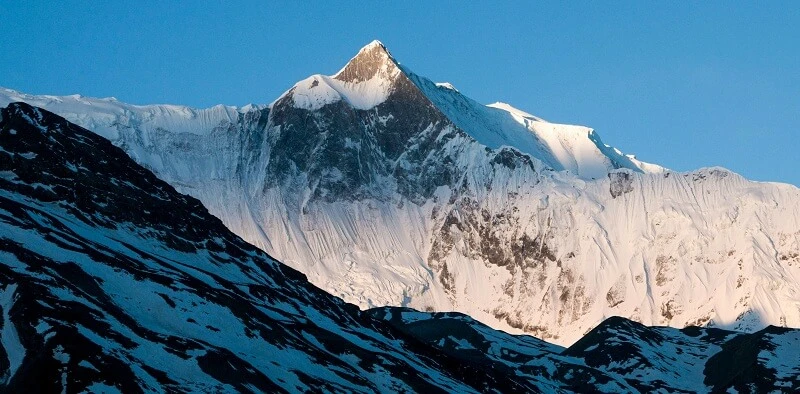

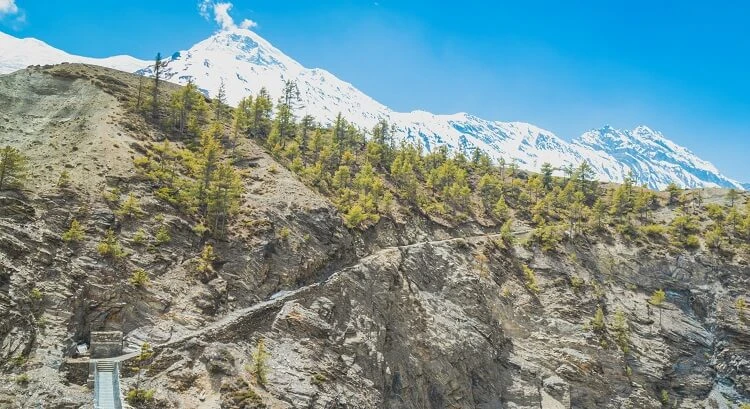
 Trekking in the Himalayas of Nepal is a remarkable adventure, but it requires thorough preparation and awareness of several factors to ensure a safe and enjoyable experience. Here’s what you need to know:
Best Treks in Nepal;
Short Treks in Nepal
1. Physical Preparation
- Fitness Level: Trekking in the Himalayas is physically demanding. Regular cardiovascular and strength training exercises, such as hiking, running, and weight training, can help build the necessary stamina and strength.
- Acclimatization: Altitude sickness is a significant risk. Gradual acclimatization is crucial, and rest days should be built into your itinerary to adapt to the high altitudes.
2. Necessary Permits
- TIMS (Trekkers\' Information Management System) Card: Required for most trekking areas.
- Annapurna, Everest, Langtang Permits: Specific permits for popular regions like the Annapurna Conservation Area Permit (ACAP), Sagarmatha National Park Permit, etc.
3. Weather and Timing
- Best Seasons: The ideal trekking seasons are pre-monsoon (March to May) and post-monsoon (September to November). These times offer the best weather and visibility.
- Monsoon Season: (June to August) is less favorable due to heavy rains, leeches, and potential landslides.
- Winter Season: (December to February) can be extremely cold with heavy snowfall, making some trails impassable.
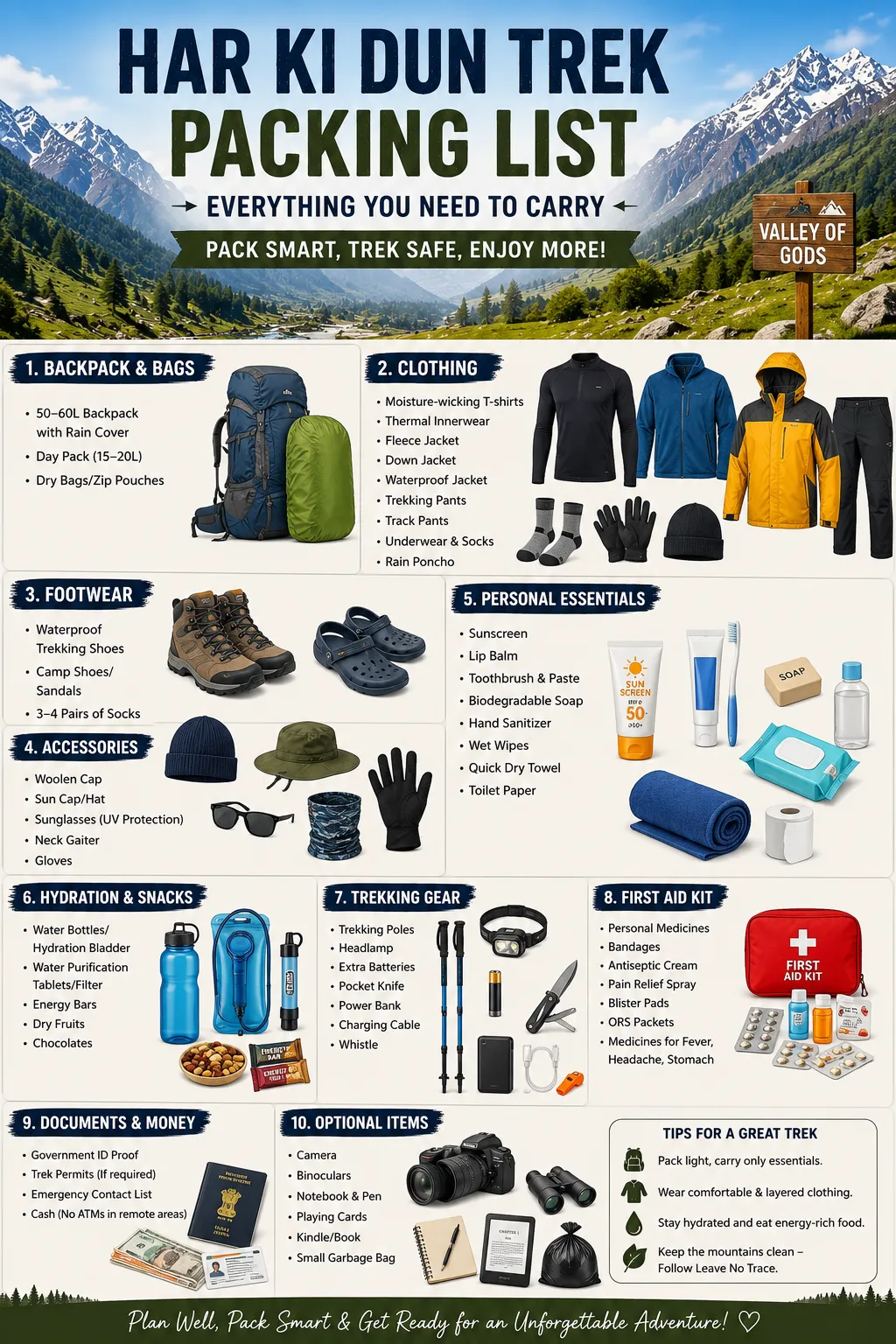
4. Packing Essentials
- Clothing: Layered clothing to adapt to varying temperatures, including thermal wear, fleece jackets, down jackets, waterproof jackets, and sturdy trekking boots.
- Gear: Sleeping bag, trekking poles, backpack, headlamp, water purification tablets or filter, and personal first aid kit.
- Other Essentials: High SPF sunscreen, sunglasses, hat, gloves, and toiletries.
5. Health and Safety
- Altitude Sickness: Understand symptoms and treatments. Medications like Diamox can help, but consulting a doctor before use is recommended.
- Travel Insurance: Comprehensive travel insurance covering high-altitude trekking and emergency evacuation is essential.
- Vaccinations: Ensure vaccinations like Hepatitis A and B, Typhoid, Tetanus, and potentially Rabies are up-to-date.
6. Cultural Sensitivity
- Respect Local Customs: Dress modestly, ask for permission before taking photos, and respect local traditions and religious practices.
- Language: Learning basic Nepali phrases can be very helpful and appreciated by locals.
7. Guides and Porters
- Hiring a Guide/Porter: Highly recommended for safety, navigation, and enriching the experience with local knowledge.
- Fair Wages and Treatment: Ensure that guides and porters are paid fairly and treated with respect.
8. Accommodation and Food
- Tea Houses: Common on popular trekking routes, offering basic accommodation and meals.
- Food: Expect a variety of Nepali and international dishes. Stick to well-cooked meals to avoid foodborne illnesses. Carrying some high-energy snacks is also advisable.
9. Environmental Responsibility
- Leave No Trace: Follow the principles of leaving no trace. Carry out all non-biodegradable trash.
- Sustainable Practices: Use eco-friendly products, avoid single-use plastics, and conserve resources like water and firewood.
10. Financial Preparedness
- Cash: ATMs are scarce in trekking regions. Carry sufficient cash for the entire trek.
- Budget: Budget for permits, accommodation, food, guide/porter fees, tips, and emergency funds.
By thoroughly preparing and being mindful of these factors, you can significantly enhance your trekking experience in the Himalayas of Nepal, ensuring it is safe, enjoyable, and culturally enriching.




















Sign in to leave a comment.