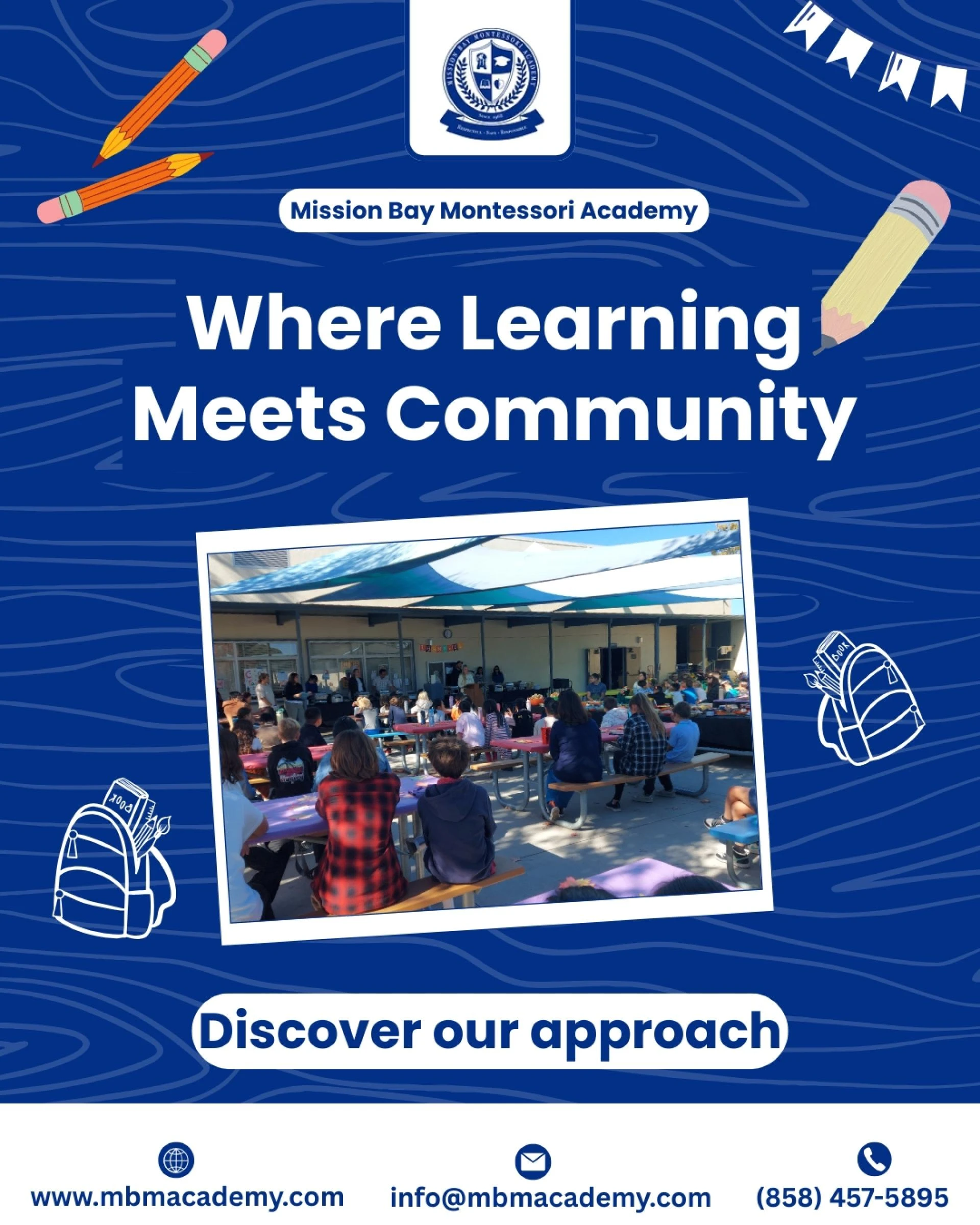

Insights on identifying a setting where young children can truly thrive.
The process of selecting a early learning environment can feel overwhelming. As a parent in San Diego, you have many options, each with its own approach. You likely have a list of practical considerations. But how do you gauge the feeling of a place? How do you know if it will be a community where your child will thrive?
This search is about more than finding a program; it’s about finding a partner in your child’s growth. From experience, the most effective settings share certain qualities that aren’t always listed in a brochure.
The Sound of Engaged Learning
When you visit a prospective location, take a moment to listen. Is the atmosphere filled with the quiet sound of focus or the lively noise of collaboration? authentic learning at this stage is often active. It’s the sound of children working together on a project, sharing a idea, or expressing wonder at something new.
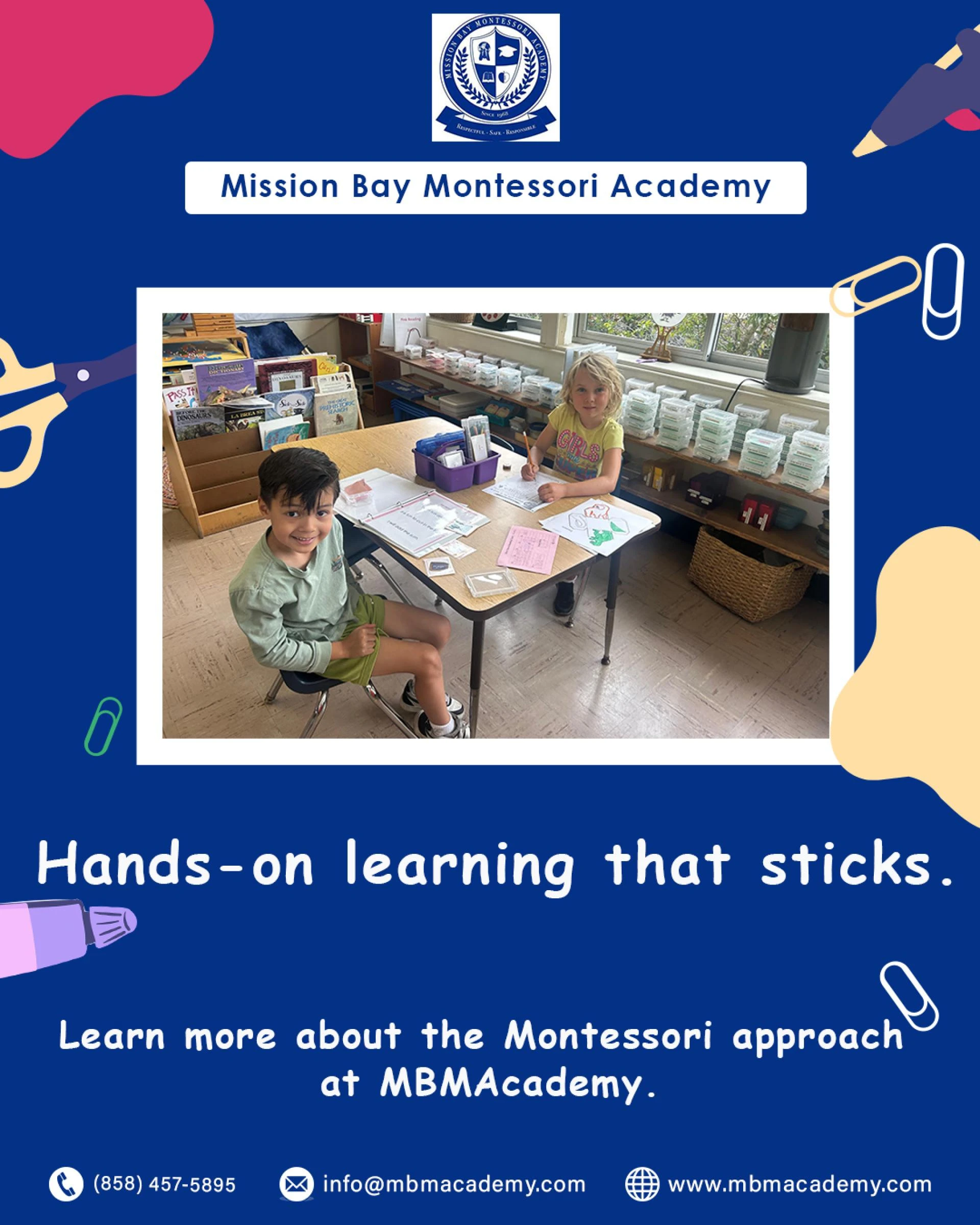
This engagement is central to a play-based approach, which is a key part of the philosophy at MBMA (Mission Bay Montessori Academy). This isn’t simply free time; it’s purposefully guided activity. When a child constructs with blocks, they are engaging with early concepts. When they engage in imaginative play, they are navigating social dynamics. Look for a place where this kind of activity is valued as vital for development.
The Role of the Physical Space
The learning environment acts as a influential teacher. Natural light, space for movement, and materials that are accessible and organized can encourage curiosity and independence. Classrooms should feel welcoming and calm. Outdoor spaces are not just for play; they are essential areas for sensory experiences and physical challenge.
At MBMA, we consider our environment a fundamental part of our approach. We’ve designed our spaces to be both stimulating and comfortable, allowing children to explore, make choices, and feel secure. This attention to detail is a reason many families consider MBMA when looking at options.
The Connection Between Educators and Families
The relationship between guides and parents is important for a positive early learning experience. It’s a partnership built on clear communication and common goals. You should feel informed and confident that your child is understood as a individual.
This goes beyond a basic daily summary. It’s about educators who can share meaningful moments from your child’s day — their persistence with a task, their interaction with a peer, a curious question they asked. This depth of understanding requires small groups and guides who are dedicated observers of how children grow.
Trusting Your Perception
After you’ve reviewed all the practical details, take a moment to reflect on your visit. Did the space feel positive? Did the children appear engaged? Did the guides speak about them with genuine care?
Your own perception is a valuable guide. The right choice often simply feels right. It’s the place where you can imagine your child being happy, curious, and embraced for who they are.
A new season of growth is approaching. For every family, the hope is to find a place where a child’s journey is met with support, curiosity, and a positive start.
For those interested in learning more about this approach, you can explore the Mission Bay Montessori Academy (MBMA) method by visiting their website.

























Sign in to leave a comment.