

Living with a disability should never mean giving up the right to a fulfilling, self-directed life. Across Victoria, more people are discovering the positive impact that the right support can have — not just on daily functioning, but on confidence, social connection, and overall wellbeing.
For residents of the Barwon region, finding the right SIL providers Geelong has to offer is one of the most important decisions a participant or their family can make. Understanding what quality support looks like, and knowing what questions to ask, can make all the difference in that process.
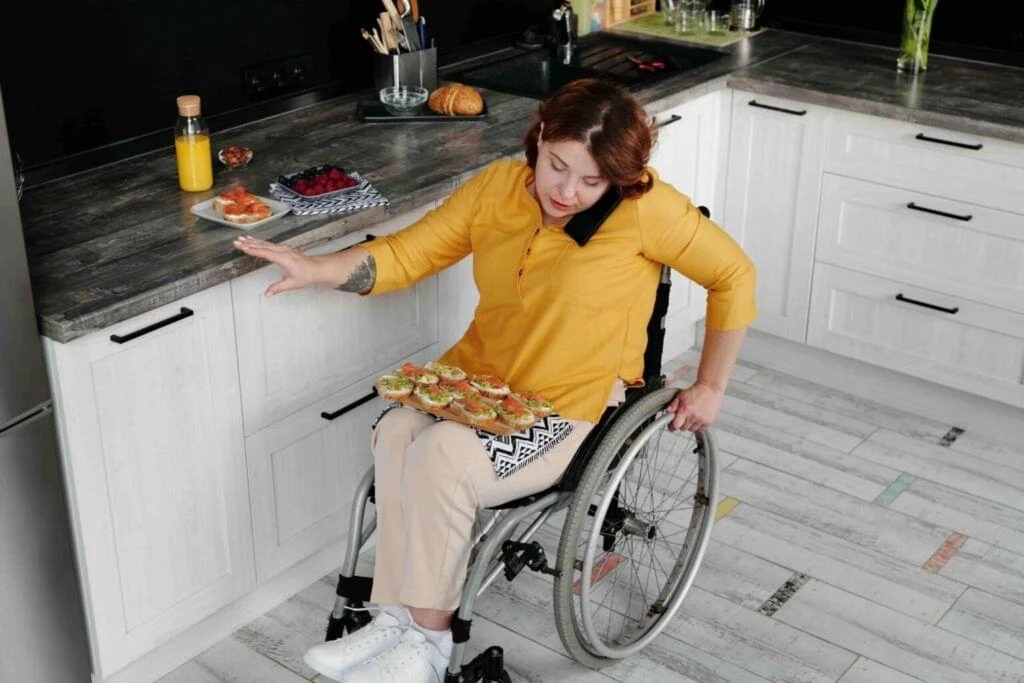
Understanding What SIL Actually Offers
Supported Independent Living, commonly known as SIL, is a type of support funded through the National Disability Insurance Scheme under the Core Supports budget category. It is specifically designed to help people with disability live as independently as possible — whether in shared accommodation, a purpose-built home, or their own residence.
The support provided under SIL covers a wide range of daily tasks. This includes personal care such as bathing and grooming, household activities like cooking, cleaning and laundry, medication management, budgeting assistance, and skill development. The goal is never to take over a person's life but to fill the gaps where support is needed so that the individual can focus on achieving their personal goals.
What sets SIL apart from basic care arrangements is its person-centred approach. Participants have genuine input into how their support is delivered, who supports them, and where they live. This level of control is fundamental to the entire model.
Why Geelong Is a Strong Location for Independent Living
Geelong has grown significantly as a hub for disability support services, and with good reason. The city offers a strong combination of accessible infrastructure, community connection, and proximity to healthcare, transport, and employment pathways.
Many SIL homes in and around Geelong are purpose-built or substantially modified to meet the practical needs of residents with high physical support requirements. Features such as wide doorways and hallways, ceiling hoists, accessible bathrooms, central heating and cooling, secured outdoor areas, smart home technology, and easy-care flooring are increasingly common in quality accommodation across the region.
The city's community culture also plays a role. Geelong is well-regarded for its inclusive spirit, with social, recreational, and volunteer opportunities that allow SIL participants to engage meaningfully with the broader community — an important element of any successful independent living arrangement.
What Separates a Reliable Provider from the Rest
Not all support providers operate with the same level of commitment, structure, or quality. When evaluating options, there are several key factors worth examining closely.
Registration and compliance matter enormously. Registered NDIS providers must meet national quality and safeguarding standards, undergo regular audits, and maintain clear incident management processes. This is not a bureaucratic formality — it is a fundamental protection for participants and their families.
Person-centred planning is another non-negotiable. A quality provider does not apply a one-size-fits-all approach. They take time to understand the individual's goals, preferences, routines, and challenges, then design a support plan around those specific needs. Regular reviews ensure the plan evolves as the person grows.
Consistency of support workers also matters more than many people initially realise. When participants build trusting relationships with familiar support staff, their confidence and independence tend to grow faster. Constant turnover in support workers disrupts routines and undermines the stability that good SIL arrangements are built on.
Transparent communication with families is equally important. Families should never feel left in the dark about how their loved one is being supported. A provider that communicates openly, welcomes feedback, and responds promptly to concerns is far more likely to deliver lasting, positive outcomes.
How to Get SIL Included in an NDIS Plan
If you or a loved one is not yet accessing SIL, the process begins with the NDIS planning conversation. During the planning meeting, it is important to clearly outline the need for daily living support and how it connects to personal goals. Evidence from healthcare professionals — such as occupational therapists, physiotherapists, or treating specialists — can significantly strengthen the case for SIL funding.
Once SIL is included in a plan, the participant works with their chosen provider to develop a Roster of Care, which outlines the specific hours and types of support that will be funded. The provider then submits this to the NDIA for approval before support commences.
Support coordinators can be invaluable during this stage, helping participants navigate the process and identify suitable providers and accommodation options.
The Bigger Picture: Independence as a Journey
Choosing the right SIL providers Geelong participants can depend on is ultimately about more than finding someone to help with daily tasks. It is about finding a partner in an ongoing journey toward greater independence, social inclusion, and quality of life. The right provider listens more than they speak, adapts more than they dictate, and measures success not by tasks completed but by lives genuinely improved.
For people living with disability in Geelong, that level of support is not just desirable — it is entirely achievable with the right team behind them.



























Sign in to leave a comment.