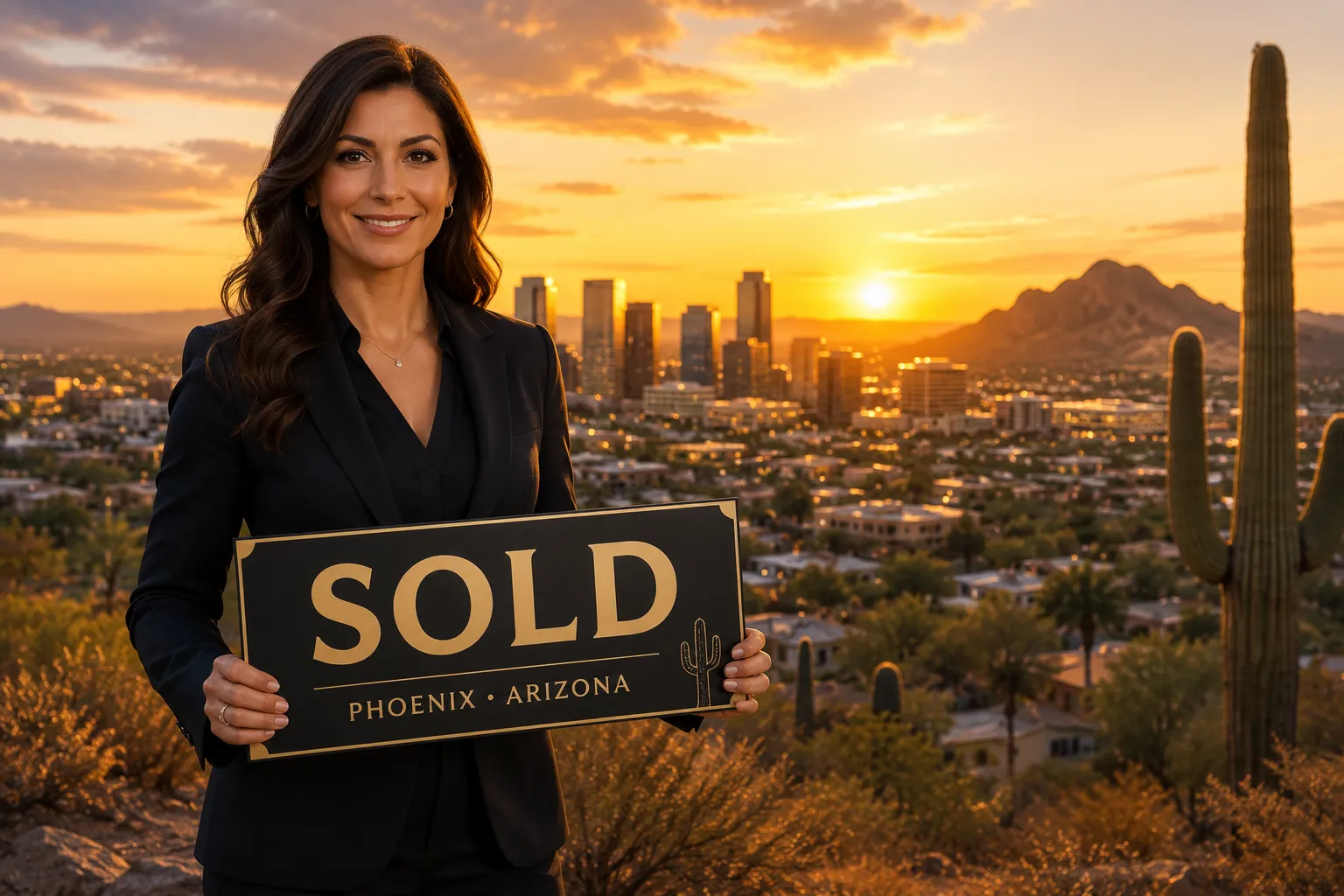

Phoenix isn’t just a city where people move—it’s where they remake their lives. The dry heat, the wide-open sky, the smell of creosote after a monsoon rain. But beneath that sun-drenched surface runs one of the most competitive and fast-moving housing markets in the country. Choosing the professional who will guide you through that market is not a box to tick; it’s the single decision that echoes through your financial life for years. If you’re serious about buying or selling here, you need more than a smiling face on a billboard. You need a partner who reads the subtle shifts of neighborhoods, anticipates inventory crunches, and negotiates like closing is a foregone conclusion.
The search for a Real Estate Agent Phoenix can feel deceptively simple. A few online reviews, a friend’s recommendation, and you’re off. But the difference between a truly exceptional agent and someone who merely holds a license is measured in dollars, days on market, and sleepless nights you may or may not have. This guide distills decades of collective market observation into the concrete things you should examine, question, and trust your gut on before signing any representation agreement.
Understanding the Phoenix Real Estate Landscape
A Market Unlike Any Other
Phoenix operates on a clock all its own. Seasonal demand spikes when the rest of the country is shoveling snow, inventory can tighten to a handful of homes in a sought-after zip code, and summer temperatures separate the tireless agents from the ones who disappear to cooler climates. Maricopa County has added hundreds of thousands of residents over the last decade, and the housing supply has rarely kept pace. That imbalance creates micro-markets: a ranch home in Arcadia may spark a bidding war within hours, while a similar square footage in a newer suburb might sit. An agent who treats the entire Valley as one uniform grid won’t see the nuance that gets you a deal or protects your equity.
The terrain itself matters too. Soil composition, flood zones, roof age under relentless UV exposure, and HVAC efficiency aren’t footnotes here—they’re central to a property’s true cost of ownership. The best agents have a working knowledge of these local variables and can connect you with trusted inspectors, lenders, and contractors before you ever write an offer.
The Importance of Hyper-Local Knowledge
Hyper-local doesn’t mean knowing that the nearest grocery store is a Fry’s. It means understanding that the charming 1950s block you’re eyeing sits in a historic district with renovation restrictions, or that the new freeway extension will quietly transform a sleepy street into a commuter cut-through within two years. It means knowing which HOAs are reasonable and which have a reputation for endless violations over paint color. When you sit down with a potential agent, ask them to walk you through the last three sales in the specific neighborhood. Listen for details: the condition of the sewer line, the school feeder pattern shifts, the difference between a home that sold above list because of a finished basement (rare in Phoenix) versus one that sold below because of outdated swamp cooler reliance. That depth of knowledge cannot be faked.
Core Qualities of an Exceptional Agent
Proven Negotiation Skills
Phoenix has seen waves of all-cash offers, escalation clauses, and waived contingencies that can make a traditional financed buyer feel powerless. A skilled negotiator doesn’t just repeat the numbers; they structure an offer to appeal to the seller’s deeper motivations. Maybe the seller needs a leaseback, or they’re terrified of a deal falling through. Your agent should be able to craft terms that speak to those fears, not just the price. Ask them directly: “Tell me about a recent deal where you beat a higher offer.” Their answer should involve specific strategy, not generic confidence.
Transparent Communication
A lot of agents disappear after the contract is signed, leaving you to chase updates during the option period, inspection negotiations, and appraisal. The right agent sets a communication rhythm early. They’ll tell you upfront whether they prefer text, phone, or email, and how quickly you can expect a response—even during the hectic 48 hours after listing a hot property. Transparency also means being candid when a home is overpriced or when your budget simply won’t get you the upgraded kitchen you want in a particular zip code. Look for someone willing to tell you the hard truth before you waste months.
Integrity and Trustworthiness
This trait is often mentioned but rarely defined in practical terms. An agent with integrity will proactively disclose if they have any relationship with the listing side, if they’re earning a referral fee from a recommended vendor, or if the property you love has a history of insurance claims they know about. In Arizona, agents are bound by fiduciary duties, but the ones who truly embody this principle treat your money like their own. They won’t rush you to close if the inspection unearths foundation concerns that could cost you six figures later. Read their client testimonials carefully. Look for patterns: do past clients praise their patience, their honesty when things looked bleak, their willingness to say “let’s walk away”?
Credentials and Experience That Matter
Licensing and Professional Designations
At a minimum, verify that the agent holds an active license through the Arizona Department of Real Estate. Beyond that, designations like ABR (Accredited Buyer’s Representative), CRS (Certified Residential Specialist), or SRS (Seller Representative Specialist) signal additional training and a commitment to their craft. In luxury segments, you might see designations like the Certified Luxury Home Marketing Specialist. While letters after a name don’t guarantee brilliance, they indicate an agent who invests in deepening their expertise beyond the mandatory continuing education.
Track Record in the Neighborhood You’re Targeting
An agent could have closed 50 transactions in Surprise last year, but if you’re buying in Coronado Historic District or selling a mid-century modern in Paradise Gardens, that general experience only goes so far. Ask for a breakdown of their last 12 months of closings by neighborhood. You want someone who has repeatedly negotiated the very pocket you’re entering. They’ll know the listing agents, the typical inspection hang-ups for homes of that era, and the comps that appraisers will actually use.
The Interview Process: Questions to Ask
When you sit down with a potential agent—preferably at their office or a casual coffee shop to gauge their demeanor—come armed with questions that reveal how they think. A stellar agent will love these; a mediocre one will squirm.
Can You Provide a Comparative Market Analysis?
A real CMA is not a Zillow estimate printed out. It should include active listings, pending sales, sold properties from the last three to six months, and even expired or withdrawn listings that signal overpricing traps. The agent should walk you through adjustments for square footage, lot size, condition, and specific upgrades. Notice if they can do this without staring at the screen. The best ones know the data because they’ve walked those comparables themselves.
How Do You Handle Multiple Offers?
In Phoenix’s seller-favored stretches, you’ll likely face competing bids. A strong agent will outline a playbook: using an escalation clause tied to appraisal gap coverage, writing a personal letter that complies with fair housing laws, or calling the listing agent to uncover the seller’s preferred timeline. They’ll also tell you when not to compete—when the winning offer is so far above value that chasing it would be financially reckless. Hearing them describe a specific multiple-offer scenario they navigated will tell you more than any marketing pitch.
What’s Your Marketing Plan for Sellers?
If you’re selling, dig into the listing strategy. Professional photography, drone footage for mountain-view properties, 3D virtual tours, and a pre-listing inspection are table stakes now. Ask how they target out-of-state buyers—a critical segment in Phoenix—and whether they leverage platforms like social media ads or private networking groups to find off-market buyers. For higher-end homes, inquire about their relationship with luxury real estate publications or relocation networks. One aspect often overlooked is staging; an agent should either provide a staging consultation or have a trusted professional who can transform a dated interior. The plan should include a timeline from listing prep to first open house, with clear accountability.
Red Flags You Should Never Ignore
Lack of Local Presence
If the agent can’t speak fluently about the water rights situation in Rio Verde, the flight path noise changes near Sky Harbor, or the upcoming commercial development near Desert Ridge, they may be spreading themselves too thin across the metro. An agent who lives in and actively serves your target area will have an intimate, almost instinctive feel for fair market value.
Overpromising on Price
Some agents win listings by suggesting an unrealistically high sale price, then push for price reductions weeks later after the listing goes stale. This “buying the listing” tactic can cost you more than time—it can permanently brand your home as overpriced. When an agent gives you a suggested list price, ask to see the comps that support it, and check if they’re willing to walk away if you insist on an unreasonable number. A trustworthy agent will tell you the truth, even if it’s not what you want to hear.
Poor Responsiveness
Phoenix deals move at a sprint. A text that goes unanswered for a day, or an agent who never picks up the phone when you’re trying to schedule a showing within hours of a new listing, will cost you opportunities. Pay attention during your very first interaction. If it takes them two days to return your initial inquiry, imagine what happens when you’re under contract with an inspection deadline looming.
The Role of Technology and Market Data
Leveraging MLS and Off-Market Listings
The Arizona Regional Multiple Listing Service remains the backbone of accurate property data, but top agents cultivate off-market opportunities. They network with other agents, attend broker open houses, and often know about coming-soon properties before they hit the public web. Ask if they have a list of potential off-market homes that match your criteria, or if they actively write letters to homeowners in your desired neighborhood. This proactive muscle often uncovers homes you’d never see on a consumer app.
Digital Marketing and Virtual Tours
Even in a post-pandemic era, a significant slice of Phoenix buyers originate from out of state. An agent who invests in high-quality virtual tours, interactive floor plans, and geo-targeted digital advertising can amplify a listing far beyond the yard sign. For buyers, an agent who can preview homes via FaceTime or recorded walkthroughs saves you from flying in for every promising listing. Evaluate their online presence. Is their website intuitive? Do their social channels feature local market insights, not just sold congratulation posts? A strong digital footprint signals an agent who understands modern buyer behavior.
Why One-Size-Fits-All Doesn’t Work in Phoenix
Tailored Strategies for Different Price Points
The approach that works for a $350,000 starter home in Laveen doesn’t translate to a $1.5 million golf-course estate in Scottsdale. Financing conversations differ—jumbo loans, portfolio lenders, and proof of funds letters replace FHA pre-approvals. Staging expectations shift. Even the rhythm of open houses changes: luxury properties often rely on private showings and broker tours rather than Sunday afternoon crowds. A well-rounded agent will acknowledge these differences and demonstrate separate, proven strategies for each tier. For buyers targeting upscale enclaves like Paradise Valley or the Silverleaf community, working with a specialist who navigates that world daily—someone like Kelly Jones Scottsdale Luxury Real Estate Agent—can make the difference between accessing pocket listings and endlessly scrolling public portals. The right agent understands the nuances of golf course membership transfers, equestrian property considerations, and view corridor protections that a generalist might overlook.
Buyer’s Agent vs. Seller’s Agent Expertise
Some agents genuinely excel on one side of the transaction. A buyer’s agent who thrives on the hunt, possesses endless patience for touring homes in 110-degree heat, and knows how to structure a winning, protected offer is worth their weight in escrow refunds. A listing agent who is a master at pricing psychology, pre-market preparation, and orchestrating a bidding environment can net you tens of thousands more. Many agents do both, but during the interview, ask them where they close the majority of their business. If you’re a buyer, you want someone who will navigate the recently changed rules around buyer-broker agreements with clarity and confidence, ensuring you understand exactly what you’re signing before you ever step into a model home.
Conclusion
Hiring a real estate agent in Phoenix is less about finding someone who knows real estate and more about finding someone who knows your real estate—your specific block, your budget range, your timeline, and your life. The market will test you. A great agent acts as a buffer, a strategist, and sometimes a cautious voice of reason when the desert heat of competition makes you want to overpay. Vet their local track record, listen to the way they communicate, and never ignore the instinct that tells you whether they see you as a client or a commission check. The right partnership won’t just close a deal; it will shape your entire experience of making Phoenix your home.
Frequently Asked Questions
How do I find a reliable real estate agent in Phoenix?
Start with referrals from friends and colleagues who recently bought or sold in your target area. Then interview at least two or three agents. Check their licensing status with the Arizona Department of Real Estate, read their reviews across multiple platforms, and ask for a list of recent transactions. Look for someone who communicates promptly and can provide neighborhood-specific data, not just market-wide trends.
What is the average commission for a real estate agent in Phoenix?
Commission is negotiable, but total commissions typically range between 5% and 6% of the sale price, typically split between the listing and buyer’s agents. With recent industry changes, buyer’s agent compensation is often discussed upfront and may be paid by the seller, the buyer, or a combination. Always have a clear, written agreement before beginning any representation.
Should I work with a buyer’s agent when purchasing a home in Phoenix?
Yes, absolutely. A buyer’s agent represents your interests exclusively, helps you navigate disclosures, inspects for desert-specific issues like roof wear or cooling system condition, and structures offers to protect you in multiple-offer situations. Their local knowledge often uncovers properties and terms you wouldn’t find on your own.
What questions should I ask a Phoenix real estate agent before signing a contract?
Ask for a recent Comparative Market Analysis of your target neighborhood, request examples of deals where they overcame obstacles, and inquire about their communication cadence. Clarify how they handle multiple offers, what their cancellation policy is if you’re unhappy, and whether they can provide references from past clients in a similar price bracket.
How can I verify a real estate agent’s track record in Phoenix?
You can search the agent’s license record on the Arizona Department of Real Estate website for any disciplinary actions. Review their sales history via the local MLS through a broker’s portal or ask the agent directly for a list of closed transactions. Look at their online testimonials on Google, Zillow, and Realtor, paying attention to specific mentions of neighborhoods and problem-solving abilities.






















Sign in to leave a comment.