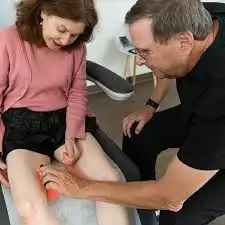

What Kind of Doctor Treats Varicose Veins?
If you are dealing with bulging, twisted veins or persistent leg discomfort, you might be wondering: What kind of doctor treats varicose veins? The answer depends on the severity of your condition and the type of treatment you need. However, in most cases, a vein specialist—also known as a phlebologist or vascular specialist—is the right professional to consult.
A vascular doctor focuses on diagnosing and treating conditions that affect blood vessels, including veins and arteries. These specialists understand how blood flows through your body and can identify issues like poor circulation, valve dysfunction, and vein enlargement. When you visit a vein treatment center, you often receive care from a team of experts who specialize in minimally invasive procedures designed to improve both your health and appearance.
Why Should You Visit a Vein Treatment Center?
Choosing a specialized vein treatment center offers several advantages over visiting a general physician. These centers focus exclusively on vein-related conditions, which means they use advanced diagnostic tools and modern treatment techniques.
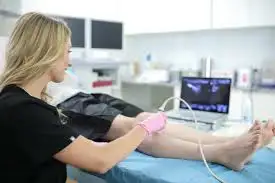
At a dedicated clinic like Vein Treatment New Jersey, doctors perform detailed ultrasound imaging to assess blood flow and detect underlying problems. This allows them to create a personalized treatment plan that targets the root cause rather than just the symptoms.
Additionally, vein centers provide minimally invasive treatments such as laser therapy, sclerotherapy, and radiofrequency ablation. These procedures require little to no downtime, making them ideal for patients with busy lifestyles.
When Should You See a Doctor for Varicose Veins?
Many people ignore varicose veins because they assume the issue is purely cosmetic. However, this condition can lead to more serious health problems if left untreated. You should consult a doctor if you experience:
- Persistent leg pain or heaviness
- Swelling in your legs or ankles
- Itching or skin discoloration near veins
- Burning or throbbing sensations
- Open sores or ulcers
Early intervention at a vein treatment center can prevent complications such as blood clots or chronic venous insufficiency. Clinics like Vein Treatment New Jersey emphasize early diagnosis to ensure better outcomes and faster recovery.
What Specialists Are Involved in Treating Varicose Veins?
When exploring what kind of doctor treats varicose veins, it helps to understand the different specialists who may be involved:
Vascular Surgeons
These doctors specialize in treating diseases of the vascular system. They can perform both surgical and non-surgical procedures and are often involved in more advanced cases.
Phlebologists
Phlebologists focus specifically on vein disorders. They commonly perform minimally invasive treatments like sclerotherapy and laser therapy.
Dermatologists
In some cases, dermatologists treat smaller varicose veins or spider veins, especially when the concern is cosmetic.
Interventional Radiologists
These specialists use imaging techniques to guide minimally invasive procedures. They often treat vein conditions without the need for traditional surgery.
A reputable vein treatment center will typically have one or more of these specialists available to provide comprehensive care.
How Do Doctors Diagnose Varicose Veins?
Diagnosis begins with a physical examination and a discussion of your symptoms. However, most specialists rely on duplex ultrasound to get a clear picture of your vein health.
This non-invasive imaging test allows doctors to see how blood flows through your veins and identify any valve dysfunction. Accurate diagnosis is crucial because varicose veins often stem from deeper circulation issues.
At Vein Treatment New Jersey, advanced diagnostic tools help doctors pinpoint the exact cause of your condition, ensuring that your treatment plan is both effective and targeted.
What Treatment Options Are Available?
Modern medicine offers a wide range of treatments for varicose veins. The right option depends on the severity of your condition and your overall health.
Sclerotherapy
This treatment involves injecting a solution into the affected vein, causing it to collapse and fade over time. It is ideal for smaller veins and spider veins.
Laser Therapy
Laser treatments use focused light to close off damaged veins. This method is non-invasive and works well for surface-level veins.
Radiofrequency Ablation
This technique uses heat to seal off larger veins. It is highly effective and requires minimal recovery time.
Endovenous Laser Treatment (EVLT)
EVLT is a minimally invasive procedure that uses laser energy to treat deeper veins. It offers long-lasting results with little discomfort.
A specialized vein treatment center ensures that you receive the most appropriate treatment based on your condition.
How Do You Choose the Right Vein Specialist?
Selecting the right doctor plays a major role in your treatment success. When searching for a specialist, consider the following:
- Experience and credentials: Look for board-certified professionals with expertise in vein care
- Technology used: Ensure the clinic offers modern, minimally invasive treatments
- Patient reviews: Feedback from other patients can provide valuable insights
- Customized care: A good doctor will tailor treatment plans to your specific needs
Clinics like Vein Treatment New Jersey prioritize patient-centered care, combining expertise with advanced technology to deliver optimal results.
What Happens During Your First Visit?
Your initial consultation at a vein treatment center typically includes:
- A review of your medical history
- A physical examination
- Diagnostic imaging (usually ultrasound)
- Discussion of treatment options
The doctor will explain your condition in simple terms and recommend the most effective approach. This visit is also your opportunity to ask questions and understand what to expect during treatment.
Are Varicose Vein Treatments Covered by Insurance?
In many cases, treatment for varicose veins is covered by insurance if it is deemed medically necessary. Symptoms like pain, swelling, and skin changes often qualify for coverage.
However, purely cosmetic procedures may not be included. It is always a good idea to check with your insurance provider and the clinic’s billing team for clarity.
A trusted vein treatment center will assist you in navigating insurance requirements and paperwork, making the process smoother and stress-free.
How Can You Prevent Varicose Veins?
While not all cases are preventable, you can reduce your risk by adopting healthy habits:
- Exercise regularly to improve circulation
- Avoid sitting or standing for long periods
- Elevate your legs when resting
- Maintain a healthy weight
- Wear compression stockings if recommended
These lifestyle changes can support vein health and enhance the effectiveness of any treatment you receive.
Final Thoughts: Which Doctor Is Right for You?
So, what kind of doctor treats varicose veins? The best choice is typically a vein specialist at a dedicated vein treatment center. These professionals have the expertise, tools, and experience needed to diagnose and treat your condition effectively.
By seeking care early and choosing a reputable clinic like Vein Treatment New Jersey, you can relieve discomfort, improve your appearance, and prevent serious complications. Don’t ignore the signs—taking action today can make a significant difference in your long-term health and quality of life.




















Sign in to leave a comment.