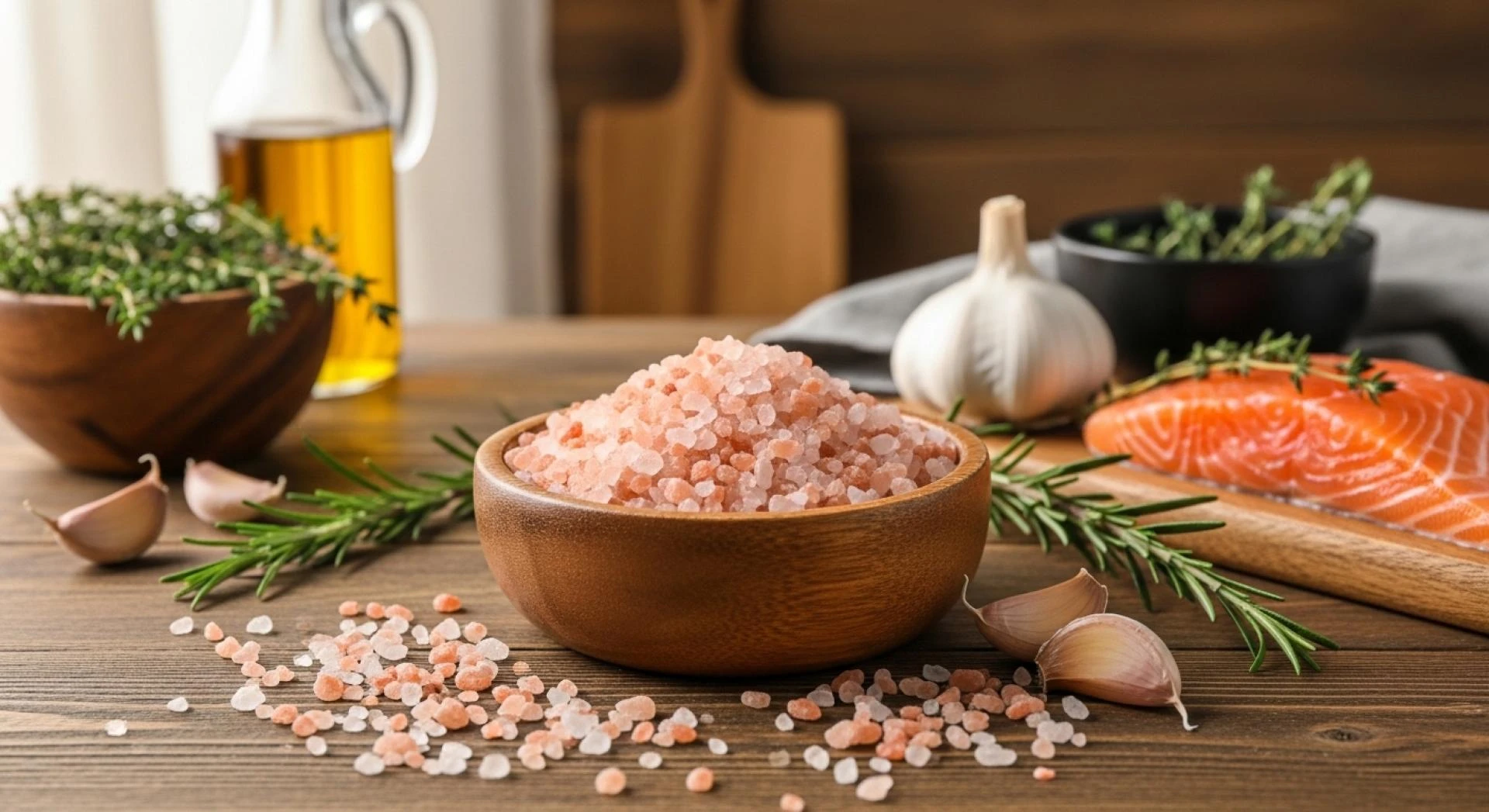

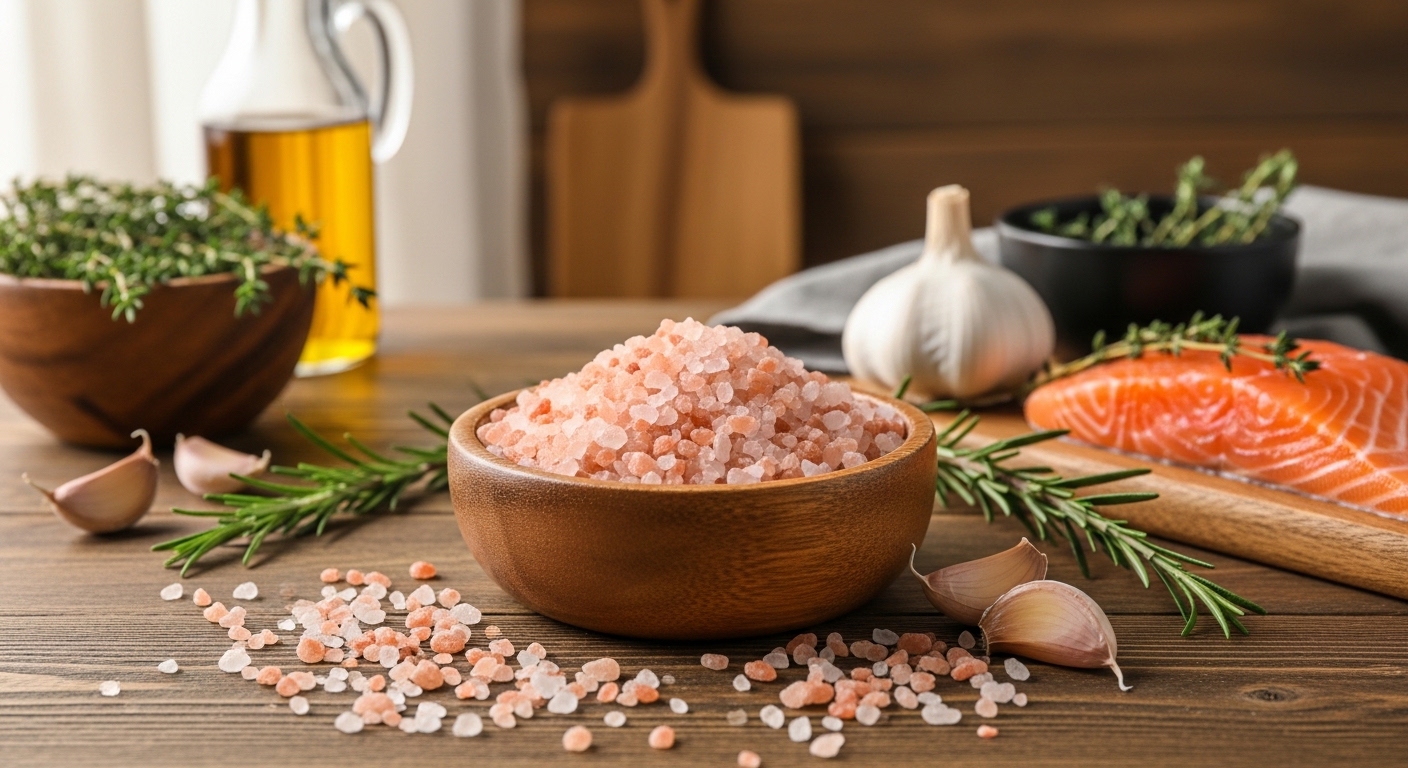
Salt is one of the oldest and most essential ingredients in human history, and among the many varieties available today, Himalayan edible salt has gained remarkable popularity. Known for its striking pink color and rich mineral profile, this natural salt is increasingly used in kitchens, wellness routines, and specialty food products around the world.
What Makes Himalayan Edible Salt Different?
Himalayan edible salt is harvested from ancient salt deposits deep in the Himalayan foothills. Unlike regular table salt, which is heavily processed and stripped of minerals, this salt is typically less refined, allowing it to retain trace amounts of naturally occurring minerals such as potassium, magnesium, and calcium. These minerals give it a unique flavor and the iconic pink hue that sets it apart from standard white salt.
Nutritional Profile and Uses
From a nutritional standpoint, Himalayan edible salt is still mostly sodium chloride — just like any other salt. However, many cooks and food enthusiasts prefer it because:
- The trace minerals present can subtly enhance the taste of foods.
- It contains no added anti-caking agents or artificial additives found in some processed salts.
- The large crystal grains make it suitable for both seasoning and finishing dishes, adding a satisfying crunch and visual appeal.
In the kitchen, Himalayan edible salt works beautifully across a wide range of applications, including:
- Seasoning meats and vegetables
- Finishing dishes for extra texture and flavor
- Brining and curing
- Mixing into spice rubs and marinades
Health and Wellness Considerations
Many people are drawn to Himalayan salt for perceived health benefits, though it’s important to keep expectations grounded:
- The trace minerals in Himalayan salt are present in very small amounts — they add flavor and visual appeal more than they significantly change your mineral intake.
- Like all salt, it should be used in moderation. Excessive sodium intake can contribute to high blood pressure and cardiovascular issues, regardless of the source.
That said, some individuals find that Himalayan salt’s coarser texture and balanced flavor profile helps them use less salt overall while still achieving satisfying taste.
Choosing Quality Himalayan Salt
When purchasing Himalayan edible salt, look for products that are:
- Certified food-grade
- Free from artificial additives
- Sustainably and ethically sourced
High-quality Himalayan salt should have a clean aroma, consistent color, and recognizable crystalline texture.



























Sign in to leave a comment.