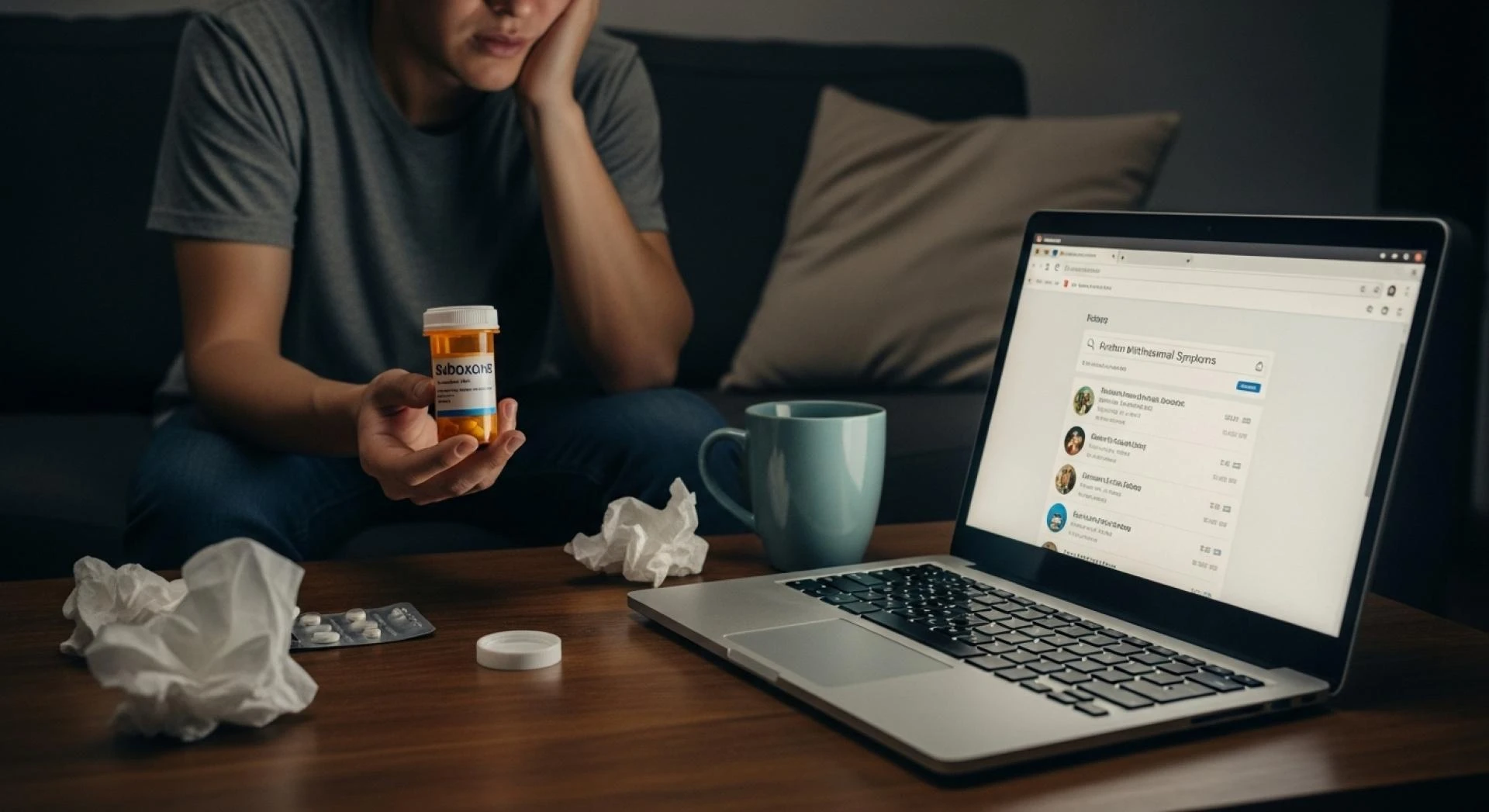

If you’ve ever tried to quit kratom on your own, you already know it’s not easy. The restlessness, insomnia, and mood swings can make you want to give up before you’ve even started. That’s where Suboxone sometimes enters the conversation, a medication that might help make withdrawal more manageable. But before you consider it, there are a few important things you should understand about how it works and whether it’s right for you.
Understanding Kratom and Its Withdrawal
Kratom is a natural herb, but that doesn’t mean it’s harmless. Many people start using it for energy or pain relief and end up developing dependence over time. When you stop using kratom, your body reacts to the absence of the alkaloids it’s gotten used to.
Common Kratom Withdrawal Symptoms
- Anxiety and irritability
- Muscle aches and fatigue
- Nausea and digestive issues
- Intense cravings
These symptoms can last from a few days to a couple of weeks depending on how long and how much kratom you’ve been using. That’s why many people look for ways to ease the process, including medication-assisted options like Suboxone.
What Suboxone Actually Does
Suboxone is a combination of buprenorphine and naloxone. It was originally designed for opioid addiction treatment. Buprenorphine binds to the same brain receptors that opioids do but produces milder effects, helping reduce cravings and withdrawal symptoms. Naloxone helps prevent misuse by blocking the euphoric effects if the medication is injected or taken improperly.
While Suboxone isn’t officially approved for kratom withdrawal, some healthcare providers use it off-label to help patients transition safely off kratom, especially when withdrawal becomes too difficult to manage alone.
Why Some People Turn to Suboxone for Kratom Detox
If you’ve tried to quit kratom and felt like your body was fighting against you, you’re not alone. Suboxone can make a real difference for certain individuals because it:
- Reduces cravings so you don’t constantly think about using
- Stabilizes mood and minimizes anxiety
- Helps with sleep during the hardest days
- Allows a smoother tapering process with medical oversight
Every person’s journey is different. What works for one person may not work for another. The key is to make decisions under the guidance of a professional rather than experimenting on your own.
“Recovery is not a race. You don’t have to feel guilty if it takes you longer than you thought it would.”
That reminder can mean a lot when you’re struggling to find the right path toward freedom.
How to Know if Suboxone Is Right for You
Suboxone may be worth discussing with your doctor if:
- You have tried to quit kratom multiple times and failed
- Your withdrawal symptoms are severe or long-lasting
- You’ve developed tolerance or psychological dependence
- You’re ready to stop but want medical support
That conversation with your healthcare provider will help you explore all possible treatment options, including non-medication approaches like therapy or gradual tapering.
If you want to understand how Suboxone fits into the process of kratom withdrawal, you can learn more by visiting ChoicePoint Health’s guide on using Suboxone for kratom withdrawal. They provide detailed insights into how the medication works and when it might be recommended by clinicians.
Combining Suboxone With Therapy and Lifestyle Changes
Medication alone doesn’t heal addiction. It’s just one piece of a bigger picture. Most people who find lasting recovery combine Suboxone with behavioral therapies such as:
Types of Therapy That Support Recovery
- Cognitive Behavioral Therapy (CBT) to manage triggers
- Motivational Interviewing (MI) to strengthen commitment to change
- Support groups to build community and accountability
Simple habits like regular exercise, healthy meals, and structured daily routines can also help balance your body’s natural chemistry as you move away from dependence.
For those who want to understand more about behavioral support options, the National Institute on Drug Abuse offers helpful information on treatment approaches proven to work in substance use recovery.
The Importance of Medical Supervision
Even though kratom isn’t classified as a controlled substance in many areas, it can still cause dependence and serious withdrawal symptoms. Using Suboxone without medical supervision can be risky. Incorrect dosage or abrupt changes may trigger complications. Always start treatment under professional care so your progress can be safely monitored.
You deserve recovery that feels safe and achievable. Suboxone may offer you the stability you need to take the next step, but the most important thing is to have the right team guiding you through the process.
Final Thoughts
Overcoming kratom dependence takes courage, patience, and the right medical support. Suboxone can be one option on your path but it’s not the only one. Talk with your doctor, explore therapy options, and build a plan that fits your life.
If you’re ready to explore treatment options that work for your situation, visit ChoicePoint Health’s detailed guide on Suboxone for kratom withdrawal to learn more about safe, supportive recovery options designed to help you regain balance.






























Sign in to leave a comment.