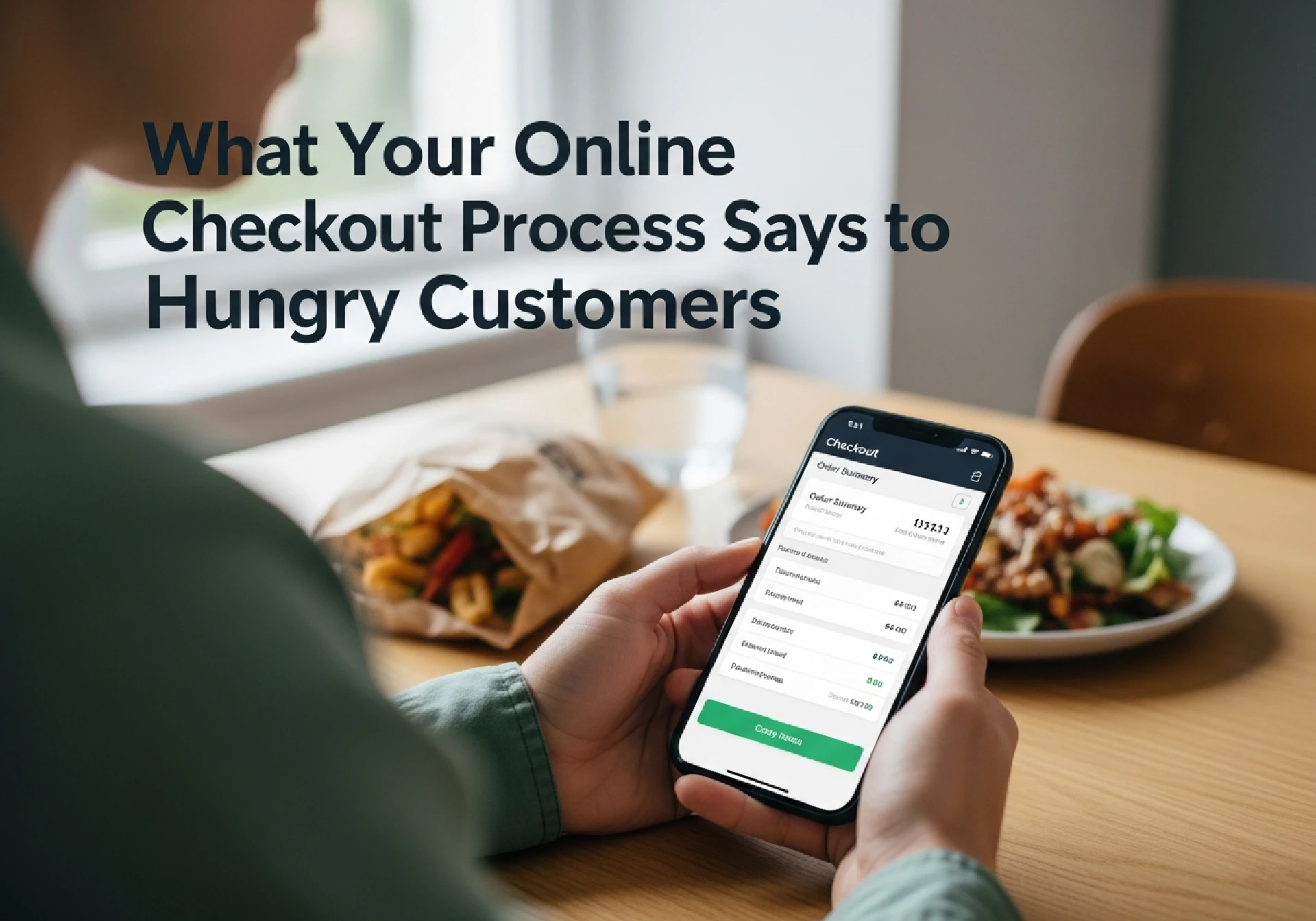

A customer goes to the checkout point with the readiness to order some food. Speed, clarity and confidence at this stage determine whether the meal is ordered or not. The best online ordering system for restaurants sends good messages of trust, concern, and confidence. Small checkout issues often decide order outcomes. Hungry customers rarely give second chances.
First Impressions Are Formed at Checkout
Checkout is where patience runs thin. Customers demand easy procedures, easy-to-understand prices and no surprises. In 2024, cart abandonment caused UK retailers to miss out on an estimated £38 billion in potential online sales, and approximately 24% of all purchases were abandoned before being finalised. Poor delivery options and unclear fees were the top drivers of drop‑offs.
Long checkout sequences or hidden costs make users rethink orders. Studies indicate that the majority of online shoppers will give up once they are caught or hesitant at the last stage. The best online ordering system for restaurants ensures a reduction in friction and an augmentation of completion rates.
Speed and Simplicity Build Trust
Customers want confirmation fast. Delays raise doubt about payment security and whether the order was received. In the UK, many online shoppers also abandon purchases when delivery choices are limited or costly, with about 66% of frequent shoppers reporting abandoning a purchase monthly because of delivery issues.
Clear buttons, visible totals, and predictable flow matter. Confusing layouts lead to mistakes and second thoughts. Some restaurant review platforms such as Grub Direct UK, aim to understand how intuitive checkout flows support higher order completion rates. Patterns from other systems help identify unnecessary steps that may slow customers down.
What UK Data Says About Customer Behavior
Checkout data in the UK reveals consistent habits. Roughly 40% of UK shoppers say they have abandoned an online purchase due to delivery concerns such as high costs or slow service. These delivery concerns include limited time slots, unclear tracking, or a lack of flexible choices. In food ordering, these factors matter because customers expect quick, reliable service.
Mobile devices dominate online ordering. Around 75% of UK online shopping traffic comes from mobile users, and mobile checkout issues contribute to higher abandonment rates than desktop. The best online ordering system for restaurants must behave well on phones with a responsive design and minimal typing fields.
Common Checkout Problems That Push Customers Away
Several recurring issues cause high exit rates at checkout:
- Hidden fees are shown only at the end
- Forced account creation before payment
- Too many fields on mobile forms
- Delivery choices unclear or missing
- Payment errors without clear feedback
Each of these issues breaks trust. Solving them can lift order completions without large marketing costs. UK retail insight reports show that checkout delivery problems alone lead to nearly 25% of all abandoned purchases.
What Customers Expect to See
Customers look for familiar, low‑effort patterns during checkout. They want clear totals, an easy review of items, and trusted payment options. The table below outlines typical expectations and poor checkout outcomes.
| Checkout Element | Customer Expectation | Poor Experience Result |
| Price breakdown | Clear and final total | Order abandonment |
| Payment options | Cards and wallets | Hesitation and exit |
| Delivery choice | Flexible slots and tracking | Drop-offs |
| Confirmation | Instant receipt | Support questions |
A simple checkout that meets expectations builds confidence. Ignoring these basics lets doubt creep in and drives customers away.
Payment Choice and Transparency Matter
Payment choice affects trust. UK shoppers expect familiar options like debit/credit cards, Apple Pay, Google Pay, and payment wallets. If options are missing, customers hesitate. Showing payment methods clearly before checkout improves conversion chances.
Transparency also extends to delivery details. When delivery fees and times are shown early, customers feel informed. Research shows that a lack of preferred delivery options is a major reason why UK buyers cancel purchases mid‑checkout. When diners see a clear total and flexible delivery choice, they are more likely to complete a restaurant order.
Checkout Design Reflects Brand Care
The checkout design shows how much a restaurant values customer time. A clean checkout suggests order accuracy and reliability. A cluttered or slow checkout suggests risk and frustration. For hungry customers, this matters even more than menu design. Slow load times or a confusing layout can make them switch to a competitor.
With growth in online food ordering across the UK, competition continues to rise. Market reports show online takeaway services and cloud kitchens expanding rapidly. In this environment, the best online ordering system for restaurants becomes a key factor in retaining customers and increasing repeat visits.
Conclusion
Checkout isn’t just a payment step. It is a sign of trust, expediency and courtesy to the time of the diner. According to UK statistics, retailers lose tens of billions annually because of poor delivery decision-making and checkout tension. Real, UK‑based statistics make it clear that a simple, fast, and transparent checkout improves results for restaurants. For hungry customers, a positive checkout experience often decides whether they order now or never.
FAQs
1. Why do customers abandon food orders at checkout?
High delivery costs, unclear fees, and slow or confusing checkout pages cause exit behaviour.
2. Does mobile checkout matter more than desktop?
Yes. A large share of UK online orders come from mobile users, and mobile issues increase abandonment.
3. How many checkout steps are ideal?
Fewer steps and minimal form fields reduce drop‑offs and increase order completion.
4. Do delivery options affect trust?
Yes. The ability to select a flexible time to deliver goods and proper tracking facilities makes customers feel in control.
5. How frequently should the checkout be contemplated?
Regular checks each quarter help catch emerging issues and improve performance.
- Authored by the Insight Palace team and validated by a Restaurant Tech Expert in Broxburn, UK


























Sign in to leave a comment.