
Introduction
When it comes to vehicle maintenance, certain components often go unnoticed despite their crucial roles. One such component is wheel weights. These small but mighty additions play a significant role in ensuring your vehicle’s performance and safety. In this guide, we’ll delve into how wheel weights affect your vehicle, why they matter, and how to ensure your wheels are properly balanced for optimal driving conditions.
What Are Wheel Weights?
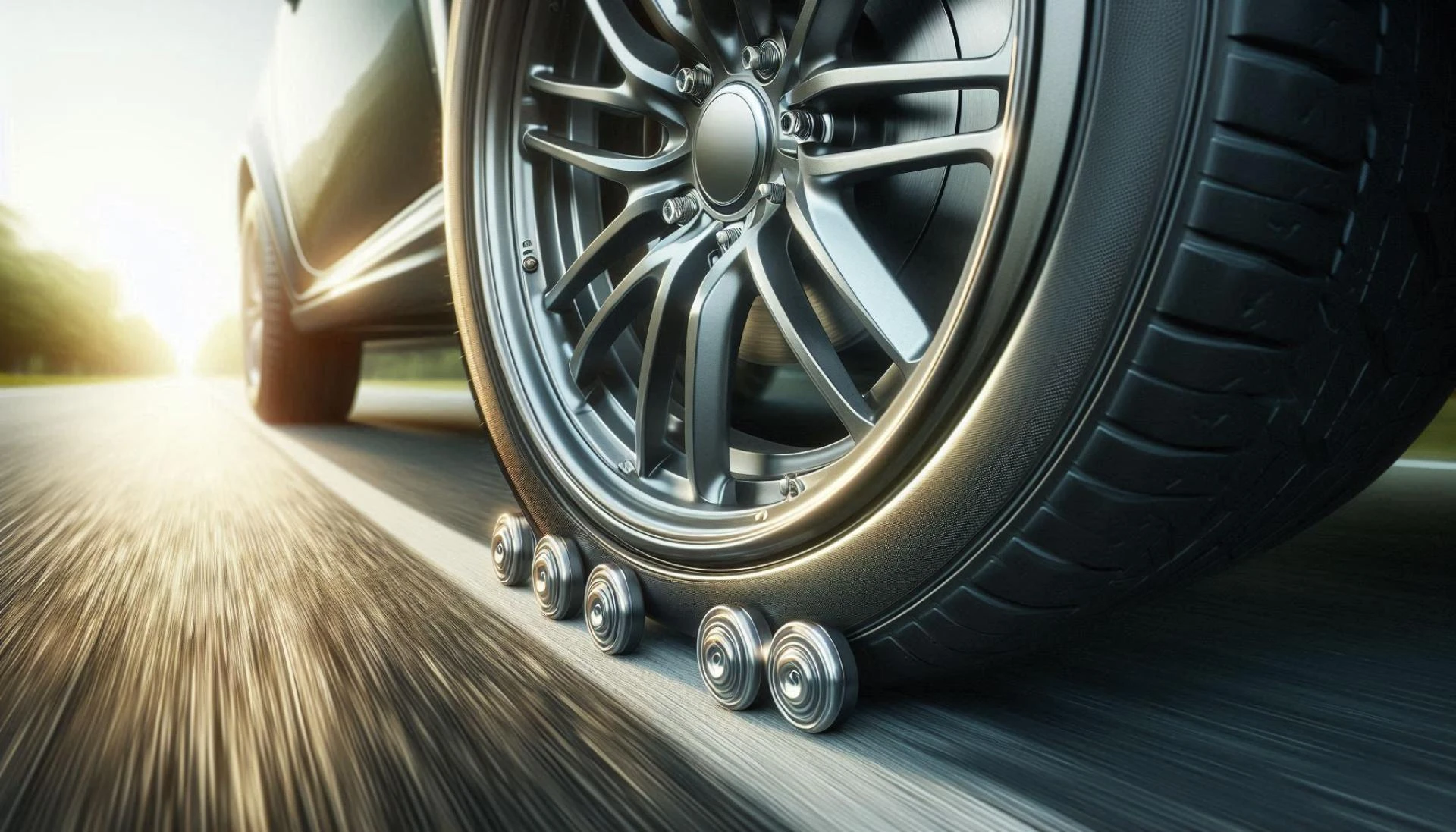
Wheel weights are small metal or composite weights attached to the wheel rim to balance the wheel and tire assembly. When a tire is mounted onto a wheel, it’s rare for the combined assembly to be perfectly balanced. Uneven weight distribution can lead to vibrations, poor handling, and uneven tire wear. Wheel weights counteract these imbalances, ensuring smooth and stable vehicle operation.
Why Are Wheel Weights Important?
Properly balanced wheels are critical for ensuring a smooth driving experience. Unbalanced wheels can cause vibrations, especially at higher speeds, making the ride uncomfortable. They also enhance tire longevity, as uneven weight distribution leads to irregular tire wear, reducing the lifespan of your tires. Balanced wheels improve fuel efficiency by reducing rolling resistance, helping you save on fuel costs. Most importantly, they contribute to vehicle safety since imbalances can affect steering and braking performance, increasing the risk of accidents.
Types of Wheel Weights
Wheel weights come in various forms to suit different vehicle and wheel types. Clip-on weights are designed to clip onto the wheel rim and are commonly used for steel wheels. Adhesive weights stick onto the inside of the rim and are ideal for alloy wheels, as they don’t damage the wheel’s surface. Combination weights offer a mix of clip-on and adhesive features, providing versatility. Each type serves a specific purpose, and choosing the right weight depends on your vehicle’s wheel design and your driving needs.
How Do Wheel Weights Impact Performance?
Balanced wheels ensure your vehicle responds predictably to steering inputs. Imbalances can cause the vehicle to pull to one side or feel unstable, particularly during high-speed driving or cornering. Unbalanced wheels cause uneven wear patterns on tires, leading to premature replacements. For instance, you might notice excessive wear on one side of the tire while the other side remains relatively intact.
When wheels are balanced, the tires roll more efficiently, reducing the energy needed to move the vehicle. This translates into better fuel economy and lower operating costs. Vibrations caused by unbalanced wheels can be felt in the steering wheel, seat, or floorboard. Over time, these vibrations can also contribute to wear and tear on suspension components.
How to Tell If Your Wheels Are Unbalanced
Look out for common signs of wheel imbalance such as steering wheel vibration at certain speeds, uneven tire wear, increased fuel consumption, or a noticeable decrease in driving comfort. If you notice any of these symptoms, it’s essential to have your wheels checked by a professional.
The Process of Wheel Balancing
Balancing wheels involves removing the wheels and mounting them onto a balancing machine. The machine spins the wheel to determine where weights need to be added. Clip-on or adhesive weights are added to counteract the imbalance, and the wheel is tested again to ensure it’s perfectly balanced.
Industry Insights: The Importance of Quality Wheel Weights
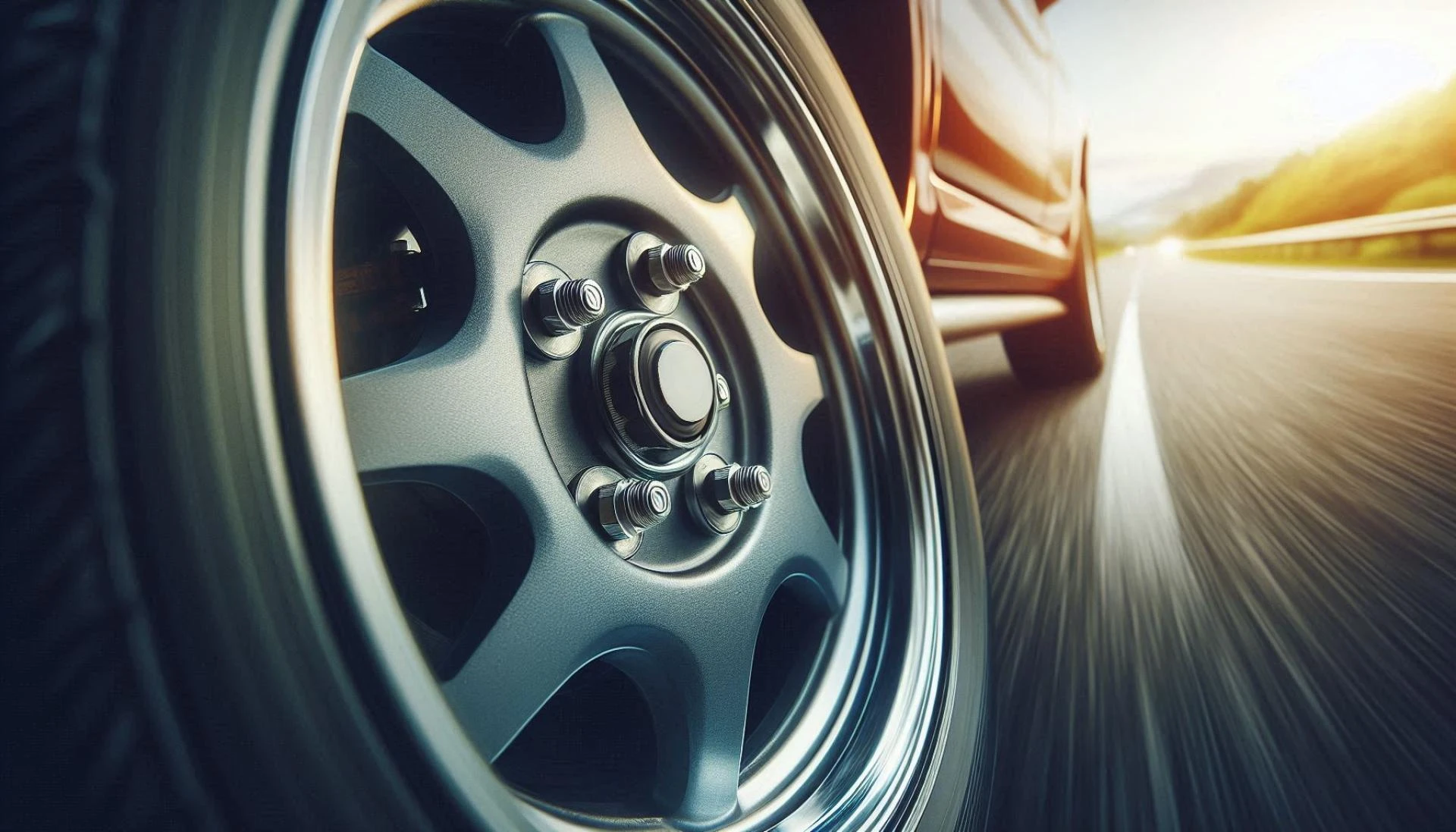
High-quality wheel weights are essential for effective balancing. Inferior weights can corrode, fall off, or fail to provide the necessary counterbalance. Always opt for weights made from durable materials like zinc, steel, or lead-free composites to ensure longevity and environmental safety.
Maintaining Wheel Balance: Tips and Best Practices
Regular inspections help to check your wheel balance during routine maintenance or tire rotations. Replace worn-out or corroded weights promptly to maintain balance. Always use weights compatible with your wheel type. Proper tire pressure complements balanced wheels, enhancing overall performance.
Conclusion
Wheel weights may seem insignificant, but their impact on your vehicle’s performance and safety is undeniable. By ensuring your wheels are balanced with high-quality weights, you’ll enjoy smoother rides, longer-lasting tires, and improved fuel efficiency. Don’t overlook this critical aspect of vehicle maintenance—take action today.
Ready to optimize your vehicle’s performance? Explore our wide range of wheel weights and other automotive solutions at ProQuip Solutions. Drive with confidence knowing your wheels are perfectly balanced!





























Sign in to leave a comment.