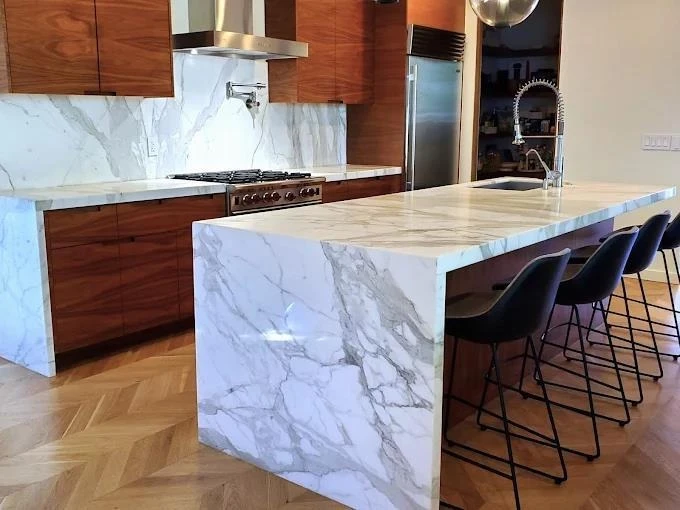

Granite countertops are widely valued for their strength, longevity, and natural beauty. Yet even one of the hardest natural stones is not immune to damage. A crack in a granite countertop can appear unexpectedly, often leaving homeowners unsure whether it is cosmetic or a sign of deeper structural trouble.
According to studies referenced by the Natural Stone Institute, most granite failures occur not because the stone is weak, but due to stress, improper installation, or underlying support issues. Knowing when a crack requires professional repair is essential to protecting both the surface and the investment beneath it.
Understanding Why Granite Countertops Crack
Granite forms under extreme heat and pressure, but once installed in a home, it faces a very different environment. Cracks often develop due to uneven cabinet support, foundation movement, thermal shock, or excessive weight placed on vulnerable areas such as sink cutouts.
In some cases, natural fissures within the stone may become more visible over time.
Not all cracks are created equal. Hairline surface fractures may remain stable for years, while deeper cracks can spread quickly if left unaddressed. Identifying the cause is the first step in deciding whether professional repair is necessary.
Types of Granite Cracks Homeowners Encounter
A crack in a granite countertop can generally be categorized into three types. Surface cracks are shallow and often cosmetic, affecting only the polished layer. Structural cracks extend deeper into the stone and may compromise its integrity. Stress cracks usually appear near cutouts, corners, or edges where the granite is under constant pressure.
Understanding the type of crack helps determine the urgency of repair. Structural and stress-related cracks almost always require professional intervention to prevent further damage.
Signs a Granite Crack Needs Professional Repair
Certain warning signs indicate that a crack should not be ignored. If the crack widens over time, collects debris, or causes unevenness along the surface, professional repair is strongly recommended. Cracks that run through sink openings or appliance cutouts pose a higher risk because these areas already experience stress from weight and vibration.
Another key indicator is moisture penetration. If water seeps into the crack, it can weaken the stone internally and damage the cabinets below. In such cases, delaying repair can significantly increase restoration costs.
Why DIY Repairs Often Fall Short
Many homeowners attempt temporary fixes using store-bought fillers or adhesives. While these may mask the appearance of a crack briefly, they rarely address the root cause. Without stabilizing the stone and correcting underlying support issues, the crack often reappears or worsens.
Professional restoration uses specialized resins, color-matching techniques, and reinforcement methods that restore both strength and appearance. This level of repair cannot be achieved through DIY solutions alone.
The Role of Professional Assessment
When evaluating a cracked countertop, professionals assess more than the visible damage. They examine cabinet support, stone thickness, and installation quality. This holistic approach ensures that repairs last and that future cracking is minimized.
For homeowners searching for granite countertops in Orange County, professional services offer localized expertise. Specialists familiar with regional construction standards and materials are better equipped to diagnose and resolve granite issues effectively.
Repair vs. Replacement: Making the Right Choice
One of the most common concerns homeowners face is whether a cracked countertop must be replaced. In many cases, professional repair restores the granite to near-original condition, making replacement unnecessary. Repairs are typically faster, less disruptive, and more cost-effective.
Replacement is usually considered only when cracks are severe, widespread, or linked to irreparable structural issues. A professional evaluation ensures homeowners make informed decisions rather than assuming the worst.
Preventing Future Granite Cracks
After repair, prevention becomes key. Proper cabinet leveling, avoiding excessive weight on overhangs, and using trivets to protect against thermal shock can significantly reduce the risk of future cracking. Routine inspections help catch early signs of stress before they escalate.
Professional repair services often include guidance on maintaining granite surfaces, extending their lifespan, and preserving their visual appeal.
Why Local Expertise Matters
Choosing experienced professionals is especially important when dealing with natural stone. Homeowners looking for granite countertops in Orange County benefit from specialists who understand local housing structures, climate influences, and common installation challenges. Local expertise ensures repairs are tailored to the specific conditions affecting the countertop.
Acting Early Protects Your Investment
A crack in a granite countertop should never be dismissed as a purely cosmetic flaw. While some cracks remain stable, others signal deeper issues that can compromise the stone and surrounding structures. Professional repair restores strength, appearance, and peace of mind, often preventing the need for costly replacement.
If you notice signs of damage or want a professional evaluation, expert help makes all the difference. To learn more about professional granite countertop restoration and repair, visit Marble Specialist and take the next step in protecting your investment.























Sign in to leave a comment.