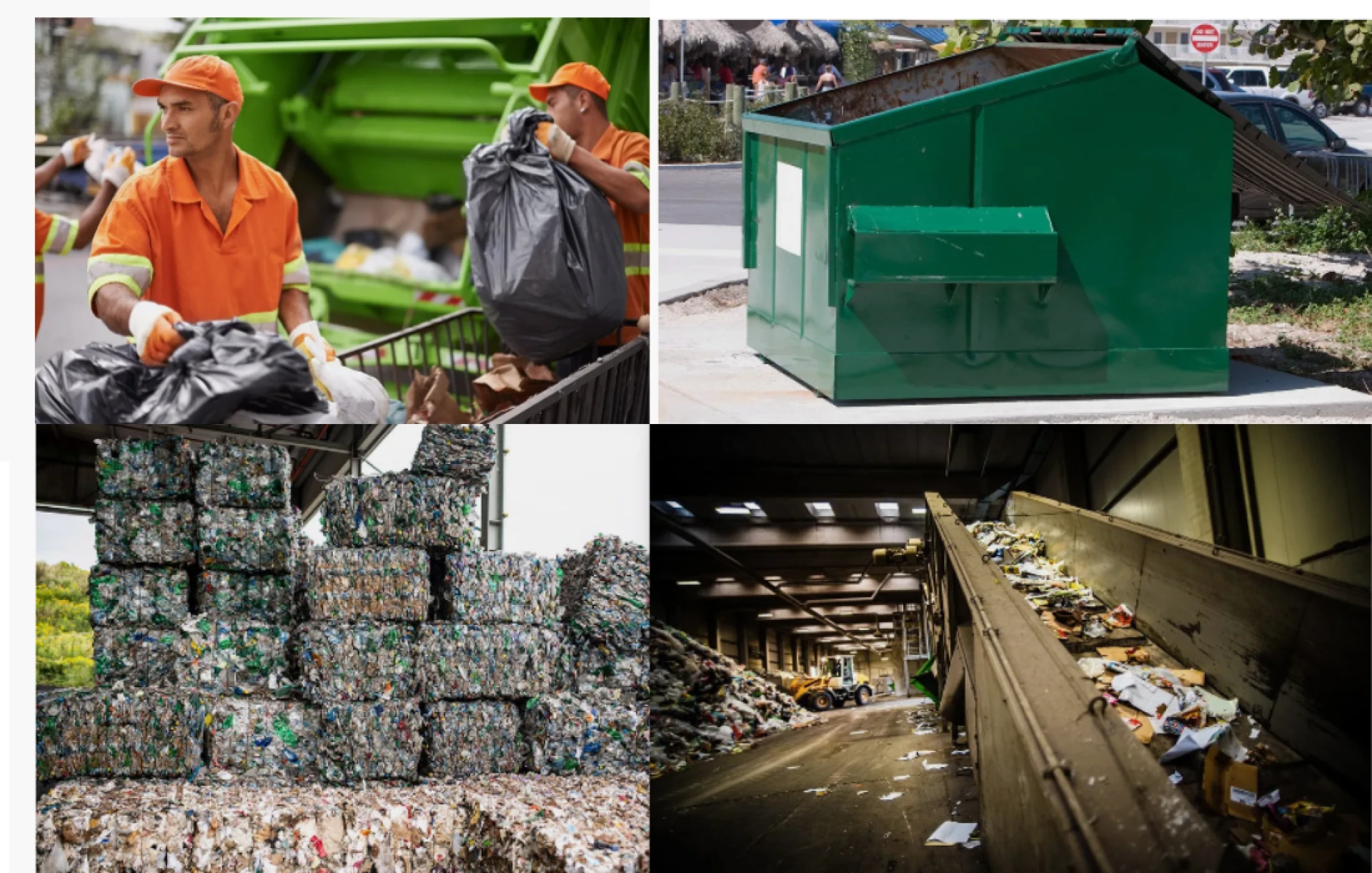
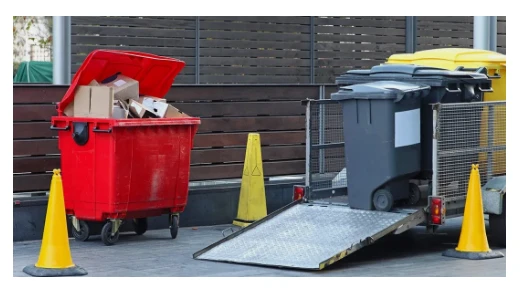
It has been observed that businesses often underestimate the speed of waste generation and, as a result, end up having piles of garbage accumulated at their premises. This also leads to an underestimation of when to avail of bulk waste collection services. Scheduling this collection at the right time and frequency is crucial, as it allows businesses to stay compliant, efficient, and keep the arena clean and hygienic. Some practical strategies must be followed to get a proper estimate of when to avail these services, and this report covers some of them and how smarter planning can help organisations in this process.
WHY IS BULK WASTE COLLECTION SO CRITICAL FOR ORGANISATIONS?
Australian workplaces have to comply with strict waste safety and environmental laws and standards. Poor waste management can lead to hefty penalties, damage to reputation, and there are risks as well related to fire outbreaks, pest attacks and diseases. Most importantly, mismanagement of garbage and waste is a clear case of breaching local council or EPA guidelines. Scheduling bulk waste collection at the right time helps businesses in the following manner.
- Maintain safe, uncluttered workspaces
- Meet Australian waste compliance expectations
- Protect staff, customers, and visitors
- Improve operational efficiency
- Support responsible recycling practices
Apart from this, timely waste collection services reduce internal handling and save a lot of time while reducing risks related to injuries or diseases. Businesses must understand some key signs that indicate it's time to avail bulk waste collection services.
SIGNS THAT YOUR BUSINESS NEEDS BULK WASTE COLLECTION SERVICES
Relying on guesswork is not good at all when your business gives some clear signs that the garbage accumulation is now becoming a problem.
COMMON TRIGGERS INCLUDE:
- Overflowing skip bins or waste rooms
- Bulky items like furniture, pallets, or whitegoods
- Excess packaging from suppliers
- End-of-project clean-ups
- Council notices or safety inspections
If waste starts to limit movement, storage, or access, bulk removal becomes urgent.
HOW OFTEN SHOULD BUSINESS USE BULK WASTE COLLECTION SERVICES?
There is no universal rule for this, and in fact, the right frequency depends on the volume of waste, industry type, and operating pattern. For example, businesses generating large and bulk waste volumes should avail these waste collection services weekly or fortnightly. This includes the following companies or sites.
- Construction and renovation sites
- Warehouses and logistics centres
- Manufacturing facilities
- Large retailers
These are high waste generating businesses, and they must avail these services frequently to prevent site congestion and improve safety compliance.
MEDIUM WASTE BUSINESSES
Some businesses can benefit from monthly bulk waste collection or pickup, and they can easily balance cost control, cleanliness, and compliance. This includes –
- Offices with regular fit-outs
- Hospitality venues
- Medical and education facilities
- Shopping centres
LOW OR REGULAR WASTE-GENERATING BUSINESSES
Some businesses are unpredictable in terms of waste volume and generation. They can settle for on-demand or quarterly waste collection services. This way, they can avoid unnecessary collection fees while still remaining clean and hygienic. This includes the following –
- Small offices
- Professional services
- Seasonal operations
- Event-based businesses
WHAT ARE THE BENEFITS OF PLANNED BULK WASTE COLLECTION?
Planning a bulk waste collection schedule in advance and keeping a structured approach provides complete cleanliness, and beyond cleanliness and hygiene, there are some long-term benefits as well. Businesses can easily claim to support sustainability and stay in compliance with regulatory standards. Some significant benefits of bulk waste collection scheduling are –
- Reduced workplace hazards
- Fewer emergency waste pickups
- Better recycling outcomes
- Improved site presentation
Lower long-term waste management costs
HOW TO PREPARE THE RIGHT COLLECTION SCHEDULE?
Businesses should review their waste generation habits every 3 months. This will provide a clear idea of how frequently they require these services. Some industries also face specific waste management challenges. Matching waste collection timing with the waste generation habits can keep operations in check while controlling the costs. While determining the proper collection schedule, businesses should focus on the following –
- Average monthly waste volume
- Types of bulky materials generated
- Peak operational periods
- Storage space limitations
- Compliance requirements
FREQUENTLY ASKED QUESTIONS
HOW DO BUSINESS KNOW ABOUT AN OVERDUE BULK WASTE COLLECTION?
- If waste blocks access, exceeds storage areas, or creates safety concerns, bulk waste collection should happen immediately.
CAN BUSINESS MIX RECYCLING WITH BULK WASTE COLLECTION?
- Many waste collection services support recycling streams.
- Businesses must separate materials correctly to meet Australian guidelines.
IS BULK WASTE COLLECTION BETTER THAN SKIP BINS?
- Bulk waste collection suits irregular or oversized waste.
- Skip bins work better for ongoing, predictable volumes.
HOW FAR AHEAD SHOULD BUSINESS BOOK BULK WASTE COLLECTION?
- Booking one to two weeks ahead usually secures preferred timeframes, especially during busy periods.

























Sign in to leave a comment.