
Table of Contents
- Introduction
- Why Salt Matters in Modern Pool Care
- How Salt Chlorination Actually Works
- Choosing the Right Salt for Your Pool
- Step-by-Step Guide to Adding Salt Safely
- How to Test and Maintain Proper Salt Levels
- Seasonal Adjustments and Environmental Factors
- Common Salt Management Mistakes to Avoid
- Equipment Protection and Long-Term Care
- Conclusion
Key Takeaways
- Salt for pool sanitation supports chlorine generation through electrolysis, not direct disinfection.
- Using high-purity pool filter salt reduces scaling and system strain.
- Proper measurement, circulation, and monitoring prevent corrosion and inefficiency.
- Seasonal changes can affect salinity and require small adjustments.
- Consistent maintenance protects both swimmers and pool equipment.
Introduction
Using salt for pool sanitation has become a preferred method for homeowners and property managers who want consistent chlorine production with fewer harsh chemical swings. Instead of manually adding chlorine tablets or liquid treatments, saltwater systems convert dissolved salt into chlorine automatically.
However, adding salt is not as simple as pouring bags into the deep end. The right type, the right amount, and the right timing all influence water clarity, swimmer comfort, and equipment longevity. This guide walks you through a practical, experience-based approach to managing salt in residential and commercial pools safely and efficiently.
Why Salt Matters in Modern Pool Care
Saltwater pools are often misunderstood. They are not chlorine-free. Instead, they use dissolved salt to continuously generate chlorine through a salt chlorine generator. The result is steady sanitation, softer-feeling water, and reduced chemical odor.
For property managers overseeing multiple pools or homeowners maintaining backyard systems, this automated process reduces daily chemical handling. Still, improper salt management can lead to scaling, corrosion, or reduced generator performance. That is why understanding how salt functions within your system is critical.
How Salt Chlorination Actually Works
When salt dissolves in water, it separates into sodium and chloride ions. As pool water passes through the chlorine generator cell, a mild electrical charge converts chloride into chlorine gas, which sanitizes the water. After disinfecting, it reverts back into salt, creating a continuous cycle.
This closed-loop process depends on maintaining the correct salt concentration. Too little salt limits chlorine production. Too much salt can trigger system warnings and accelerate wear on metallic components.
Most systems operate efficiently between 2,500 and 3,500 parts per million, but always confirm your manufacturer’s recommended range.
Choosing the Right Salt for Your Pool
Not all salt is suitable for swimming pools. Selecting high-quality salt reduces long-term complications.
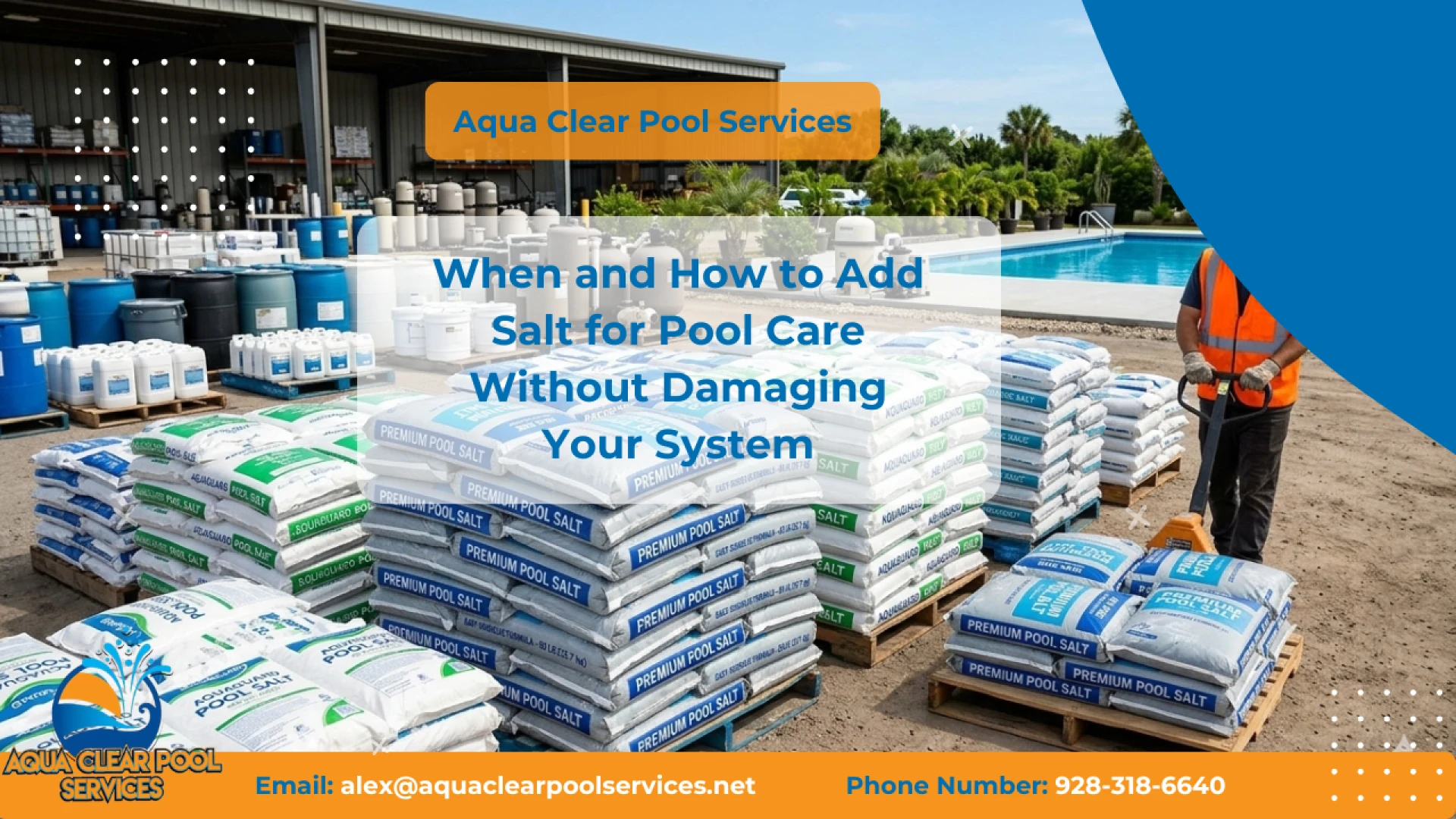
Salt for Salt Water Pool Systems
Products specifically labeled as salt for salt water pool systems typically contain at least 99 percent sodium chloride. These formulations minimize impurities such as calcium or iron, which can stain surfaces or clog generator cells.
Pool Filter Salt and Purity Standards
Pool filter salt is another commonly available option. It is designed to dissolve cleanly and avoid residue buildup inside filters and chlorination cells. Avoid using table salt or rock salt, as additives like iodine and anti-caking agents may cloud water or damage equipment.
When purchasing salt, check the label for purity levels and ensure it is intended for pool applications.
Step-by-Step Guide to Adding Salt Safely
Adding salt should always be a measured and deliberate process.
1. Calculate Pool Volume
Accurate volume measurement ensures you add the correct quantity. Use standard formulas:
- Rectangular pools: Length × Width × Average Depth × 7.5
- Round pools: Diameter × Diameter × Average Depth × 5.9
If uncertain, consult original pool documentation or a professional service provider.
2. Test Existing Salt Levels
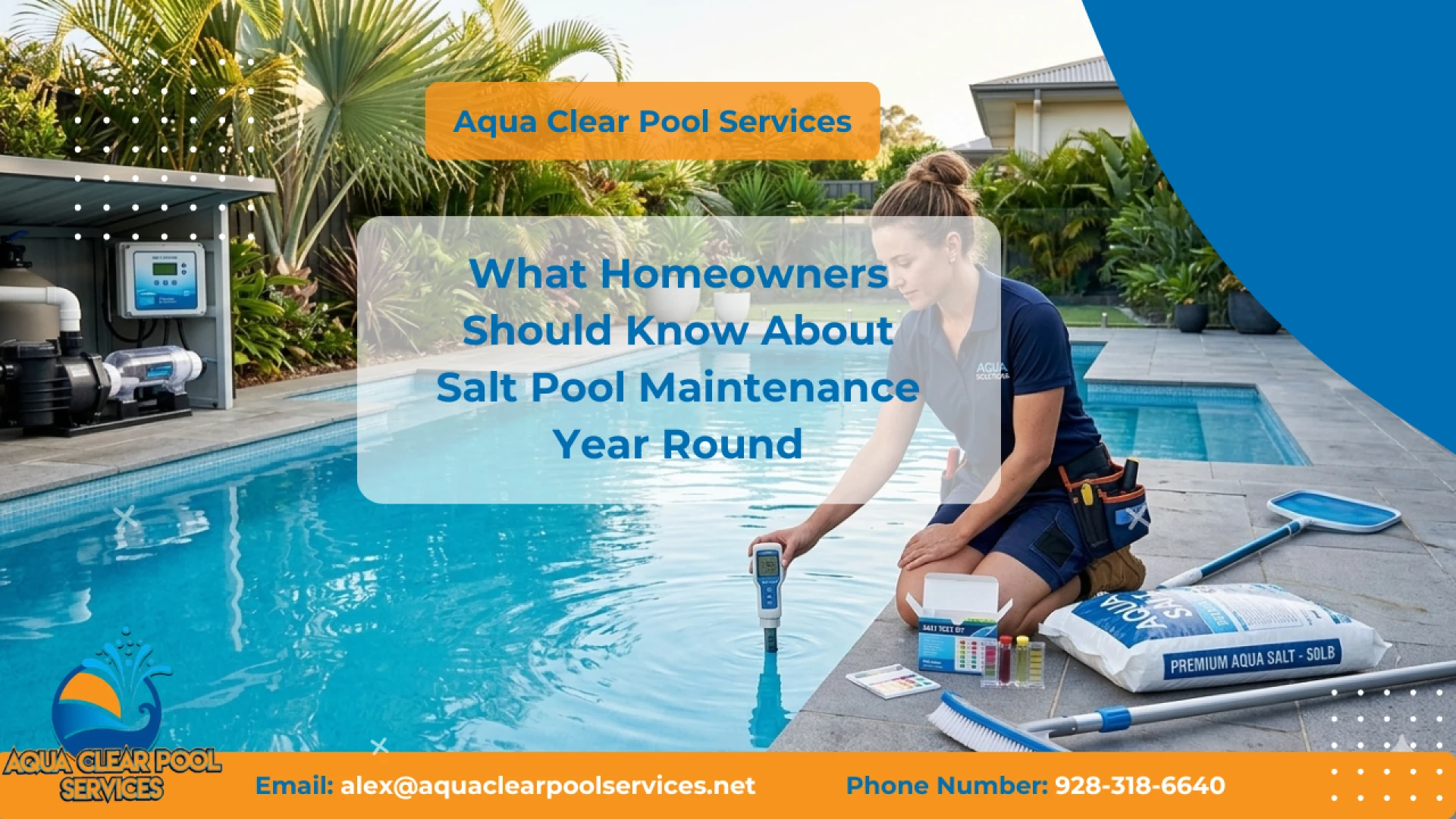
Before adding anything, test current salinity using digital meters or salt test strips. This prevents unnecessary overcorrection.
3. Distribute Salt Evenly
Pour salt around the perimeter of the pool rather than dumping it in one location. This prevents concentrated exposure to surfaces and liners.
4. Run the Circulation System
Operate the pump continuously for at least 24 hours after adding salt. Proper circulation ensures complete dissolution and prevents inaccurate sensor readings.
Never activate the chlorine generator until salt has fully dissolved.
How to Test and Maintain Proper Salt Levels
Consistent testing is the foundation of stable pool chemistry.
Monthly Testing Routine
Check salinity at least once per month during swim season. Increase testing frequency after heavy rain, water replacement, or significant splash-out events.
Adjust Gradually
If levels are slightly low, add small increments of salt rather than large corrections. This controlled approach protects both swimmers and equipment.
Monitor Water Balance
Salt levels interact with pH, alkalinity, and calcium hardness. Maintaining balanced chemistry reduces scaling inside generator cells and extends equipment life.
Seasonal Adjustments and Environmental Factors
Salt does not evaporate, but water does. In hot climates, evaporation increases salt concentration. In rainy conditions, dilution lowers salinity.
Summer Considerations
High temperatures increase chlorine demand. Ensure salt levels are within optimal range to support adequate chlorine production.
Winter Maintenance
Even during cooler months, occasional testing prevents startup surprises when swim season returns.
Property managers handling commercial facilities should integrate salt testing into routine seasonal inspections.
Common Salt Management Mistakes to Avoid
Even experienced pool owners make preventable errors.
Overloading the Pool
Adding multiple bags without confirming current levels can overshoot the ideal range. High salinity may require partial draining to correct.
Ignoring Generator Warnings
Modern salt systems display alerts for high or low salinity. Address these promptly rather than postponing maintenance.
Uneven Distribution
Failing to brush dissolved salt toward the main drain can allow it to sit on surfaces, potentially affecting finishes.
Equipment Protection and Long-Term Care
Saltwater systems are durable when properly maintained. Preventative care significantly extends their lifespan.
Inspect the Chlorine Generator Cell
Scale buildup reduces efficiency. Periodic inspection and manufacturer-approved cleaning methods maintain performance.
Protect Metal Fixtures
Handrails, ladders, and heat exchangers should be checked for early signs of corrosion. Balanced chemistry minimizes risk.
Maintain the Filtration System
Clean filters regularly to support optimal water circulation. Proper filtration complements the function of pool filter salt and prevents debris from interfering with the generator.
Routine professional inspections provide additional assurance, especially for commercial properties or large residential pools.
Conclusion
Managing salt for pool systems requires more than simply adding bags of sodium chloride. It involves precise measurement, correct product selection, careful distribution, and consistent monitoring. When maintained within recommended levels, salt supports efficient chlorine production, comfortable swimming conditions, and long-term equipment reliability.
Homeowners and property managers who take a structured approach to salt management reduce maintenance costs, prevent corrosion, and maintain crystal-clear water throughout the season. With regular testing and proper circulation, saltwater pools remain one of the most dependable and user-friendly sanitation systems available today.
Book a Pool Maintenance Service Today!
Professional maintenance ensures your saltwater system operates at peak efficiency year-round. Our certified technicians monitor salinity, inspect generator cells, balance water chemistry, and protect your investment from preventable damage.
Schedule your pool maintenance service today and let experienced professionals handle your salt system with precision and care.
Frequently Asked Questions
1. How often should I check salt for pool systems?
Salt levels should be tested at least once a month and after heavy rain, backwashing, or partial draining.
2. What is the ideal range for salt for salt water pool systems?
Most systems operate between 2,500 and 3,500 ppm, but always follow your manufacturer’s specifications.
3. Can pool filter salt improve chlorine production?
Yes. High-purity pool filter salt dissolves cleanly, supporting efficient chlorine generation and reducing buildup inside the cell.
4. What happens if salt levels are too high?
Excess salinity can trigger system alarms and may increase the risk of corrosion. In severe cases, partial water replacement may be required.
5. Is salt for pool maintenance safe for swimmers?
When maintained within the recommended range, saltwater pools are safe, comfortable, and often gentler on skin and eyes compared to traditional chlorine pools.


























Sign in to leave a comment.