
Intro:
Here’s a surprising stat—garage door springs are responsible for a large portion of garage-related injuries reported each year. And yet, many homeowners still think, “How hard can it be?”
Meanwhile, across Australian homes—especially after storms or sudden wear—springs snap without warning. The temptation to fix it yourself is real. Quick YouTube search, a few tools, and done… right? Not quite.
Interestingly, garage door springs are one of the most dangerous components in your home. Let’s break down why—and what actually works instead.
Why Is DIY Garage Door Spring Replacement So Risky?
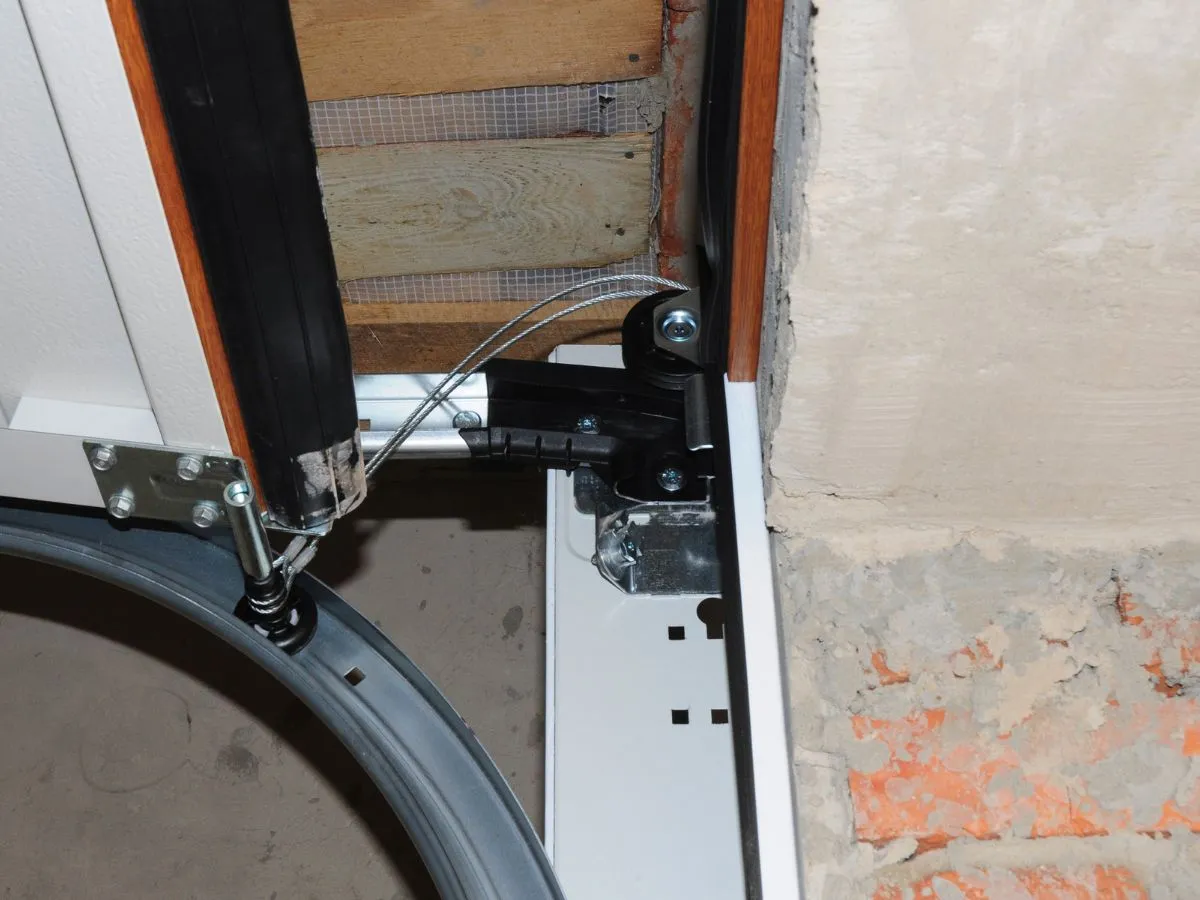
Think of it like this: garage door springs are under extreme tension—often holding enough force to lift a door weighing over 100kg.
When that tension is released suddenly, things can go wrong fast.
Common risks include:
- Sudden snapping or recoil
- Hand and finger injuries
- Damage to nearby components
- Door crashing down unexpectedly
Meanwhile, unlike basic repairs, this isn’t something you can “learn on the go.” Even experienced DIYers often underestimate the force involved.
What Happens If a Spring Breaks and Isn’t Fixed Properly?
A broken spring doesn’t just stop the door—it throws the entire system off balance.
Here’s what usually follows:
- The door becomes extremely heavy
- The motor starts struggling or fails
- Cables and tracks take extra strain
In fact, improper handling can even lead to the need for a garage door track replacement, especially if the door shifts unevenly or comes off alignment.
An easy way to understand it: one weak part puts pressure on everything else.
Are There Warning Signs Before a Garage Door Spring Fails?
Yes—and catching them early can save a lot of trouble.
Watch out for:
- Loud snapping noise (often the first sign)
- Door suddenly feeling heavier
- Uneven movement or jerking
- Gaps visible in the spring
Interestingly, many homeowners ignore these signs until the door stops working completely. By then, the repair is often more complex—and more expensive.
What Should Be Done Instead of DIY Repairs?
Here’s the practical approach—safe and effective:
- Stop using the door immediately
- Avoid forcing it open or closed
- Visually inspect from a safe distance (no touching)
- Call a professional technician
Simple steps, but they make a big difference.
In cities like Brisbane, sudden failures often lead to urgent calls for emergency garage door repairs in Brisbane, especially when doors are stuck open or pose a security risk.
Why Professional Repairs Are Worth It?
It’s not just about fixing the spring. It’s about restoring the entire system safely.
Professionals:
- Use the right tools for high-tension components
- Check cables, rollers, and tracks
- Ensure proper balance and alignment
- Prevent future breakdowns
Meanwhile, a proper repair today often avoids multiple repairs tomorrow.
Can Future Spring Problems Be Prevented?
Not entirely—but they can definitely be reduced.
Here’s how:
- Schedule regular maintenance checks
- Lubricate moving parts every few months
- Listen for unusual noises
- Test door balance occasionally
Think of it like routine servicing—small effort, big payoff.
Conclusion: Quick Safety Checklist
Before attempting any garage door spring fix, pause and run through this:
✔ Springs are under a lot of stress, so don't touch them lightly.
✔ If a door is heavy or uneven, there may be a problem with the springs.
✔ Avoid DIY fixes for safety-critical parts
✔ Look for early warning signals.
✔ Call a professional to fix it right.
Garage door springs might look simple. But they’re not.
Taking the safer route isn’t just about avoiding injury—it’s about protecting the entire system and keeping everything running smoothly.




























Sign in to leave a comment.