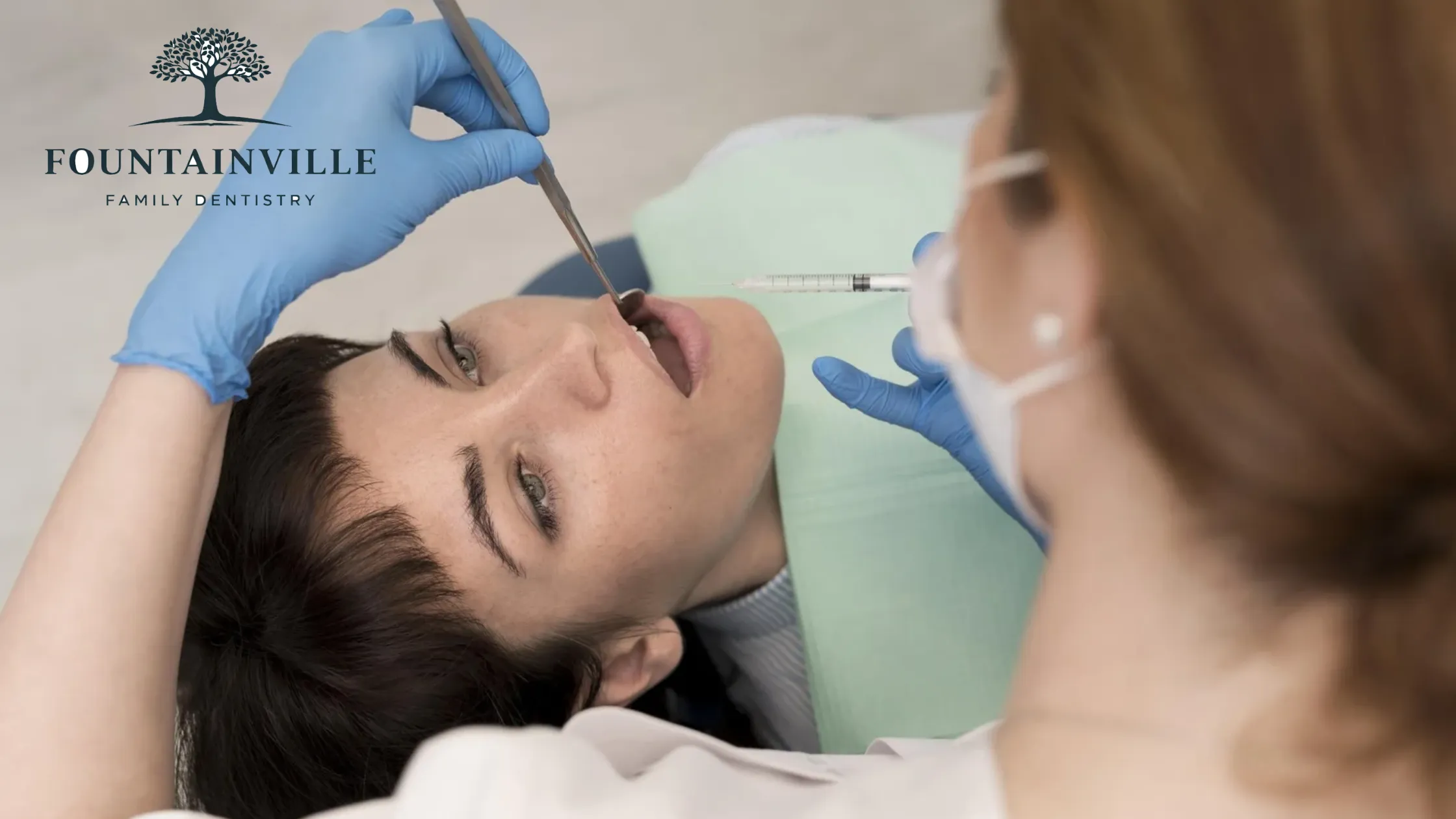

Most people don’t search for dental treatments unless something starts bothering them—a toothache that won’t go away, a chipped tooth, or trouble chewing. These are often signs that you may need restorative dental treatment. Instead of letting the problem get worse, understanding what this type of care involves can help you take action early and avoid more serious complications.
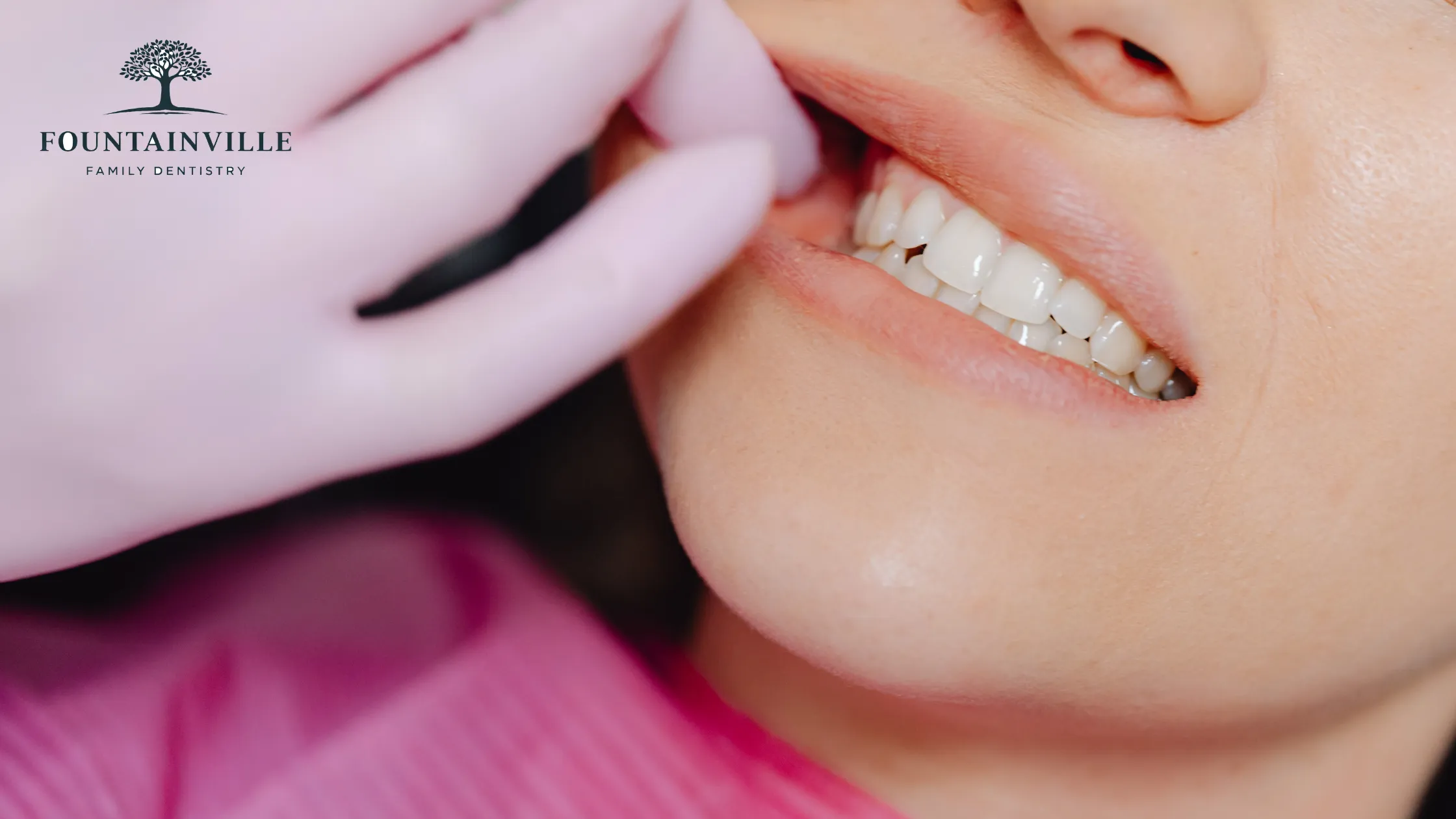
What Is Restorative Dental Treatment?
Restorative dental treatment focuses on repairing damaged teeth or replacing missing ones to bring your mouth back to normal function. The goal isn’t just to fix how your teeth look—it’s to make sure you can eat, speak, and maintain proper oral health without discomfort.
This type of treatment covers everything from small fixes like fillings to more advanced solutions such as implants or crowns.
Common Situations Where You Might Need It
Many dental issues start small but gradually worsen if ignored. You may need restorative care if you’re dealing with:
- Tooth decay or cavities
- Cracked, chipped, or worn-down teeth
- Missing teeth
- Persistent tooth pain or sensitivity
- Difficulty chewing certain foods
Even if the issue doesn’t seem urgent, delaying treatment often leads to more complex procedures later.
Types of Restorative Treatments Explained
The exact treatment depends on your dental condition. Here are some of the most commonly recommended options:
Fillings for Cavities
When decay affects a small area, the damaged part is removed and replaced with a filling. This helps restore strength and prevents further damage.
Crowns for Weakened Teeth
A dental crown acts like a protective cap over a tooth that’s cracked, worn, or heavily filled. It restores both function and structure.
Bridges for Missing Teeth
Bridges are used when one or more teeth are missing. They fill the gap by anchoring an artificial tooth between natural ones.
Dental Implants for Long-Term Replacement
Implants are one of the most durable solutions for missing teeth. They function like natural teeth and help maintain jawbone health.
Root Canal Treatment
If an infection reaches the inner part of the tooth, a root canal removes the infection and saves the natural tooth.
Why Early Treatment Makes a Big Difference
One of the biggest mistakes people make is waiting too long. A minor cavity can turn into an infection, and a small crack can lead to a broken tooth.
Getting timely restorative dental treatment helps:
- Prevent further damage
- Avoid more invasive procedures
- Reduce long-term costs
- Maintain natural teeth whenever possible
In many cases, early intervention keeps things simple and manageable.
What to Expect During the Process
If you visit a dentist for a concern, the process usually starts with a detailed evaluation.
Here’s how it typically works:
- Examination and Diagnosis – The dentist checks your teeth and may take X-rays
- Treatment Planning – Options are explained based on your condition
- Procedure – The recommended treatment is carried out
- Follow-Up – Healing and results are monitored
Modern dental care is designed to be efficient and comfortable, so most procedures are more straightforward than people expect.
Is It Going to Hurt?
This is probably the most common concern—and it’s usually based on outdated experiences.
With current techniques and anesthesia, most restorative procedures are comfortable. You might feel slight sensitivity afterward, but it typically goes away within a few days.
Avoiding treatment, on the other hand, often leads to more pain over time.
Restorative vs Cosmetic: What’s the Real Difference?
People often confuse these two, but the difference is simple:
- Restorative care fixes problems and improves function
- Cosmetic care improves the appearance of your smile
That said, many treatments do both. For example, a crown protects a damaged tooth while also improving how it looks.
How Long Do Results Last?
The durability of dental work depends on the type of treatment and how well you maintain it.
- Fillings can last for years
- Crowns often last over a decade
- Implants can last decades with proper care
Simple habits like brushing, flossing, and regular checkups make a big difference in longevity.
How to Take Care of Your Teeth After Treatment
After undergoing restorative dental treatment, maintenance becomes key.
Here are a few practical tips:
- Brush twice daily with proper technique
- Floss regularly
- Avoid biting on hard objects
- Limit sugary foods
- Keep up with dental visits
These steps help protect your teeth and prevent future issues.
Final Thoughts
Dental problems rarely fix themselves. What starts as a small issue can quickly become something more serious if left untreated. The good news is that most problems can be managed effectively with the right care at the right time.
Restorative dental treatment isn’t just about fixing teeth—it’s about getting back to a point where your mouth feels normal again. Eating comfortably, speaking clearly, and not worrying about pain or damage makes a real difference in daily life.
If you’ve been noticing changes in your teeth or have been putting off treatment, now is a good time to get it checked.
Visit our website to learn more about your options and schedule a consultation.

























Sign in to leave a comment.