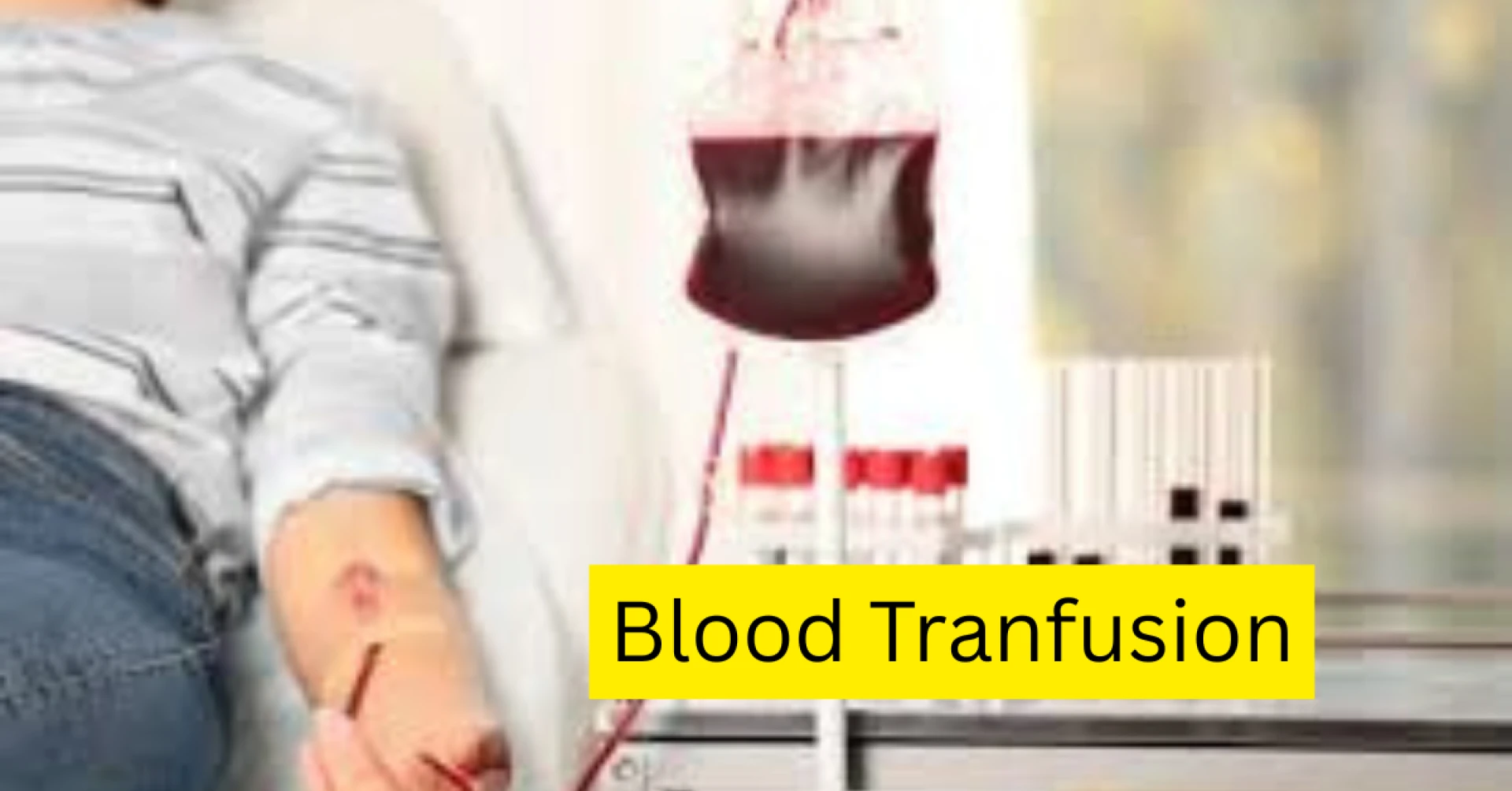
Blood transfusion is a crucial medical procedure that can save lives in critical situations. From surgeries to managing chronic conditions, blood transfusions play an essential role in modern healthcare. If you’ve been prescribed a blood transfusion, or simply wish to understand the process better, this article will provide you with a thorough overview.
In this guide, you’ll learn what blood transfusion is, the different types, the reasons why you might need one, the process involved, and much more. Whether you're seeking information for yourself, a loved one, or simply want to be informed, this article will give you all the details you need.
What is a Blood Transfusion?
A blood transfusion is a medical procedure in which a person receives blood or blood products through an intravenous (IV) line. This procedure is typically used to replace lost blood or blood components such as red blood cells, platelets, or plasma. A blood transfusion may be necessary when the body’s ability to produce or maintain a healthy blood supply is compromised due to injury, illness, or surgery.
The blood used in transfusions can come from a donor or may be autologous, meaning it comes from the recipient themselves. Blood transfusions can also be used to correct specific deficiencies such as a low platelet count or anemia.
The Blood Transfusion Procedure:
Step-by-Step Process of Blood Transfusion
Receiving a blood transfusion involves several critical steps that are carefully managed by healthcare professionals to ensure the safety of the patient. Here's a breakdown of the general procedure:
Preparation
Before performing a blood transfusion, healthcare providers will evaluate the need for the procedure. They will conduct a thorough medical history, physical examination, and lab tests to confirm that a transfusion is necessary.
One of the key steps is ensuring compatibility between the donor's blood and the recipient's blood type. This is crucial because incompatible blood transfusions can lead to severe reactions.
Blood Typing and Crossmatching
Blood typing is the process of determining the recipient's blood group (A, B, AB, or O) and Rh factor (positive or negative). The donor's blood is also matched to the recipient's blood to avoid any immune system reactions.
A test called crossmatching is done, where small amounts of donor and recipient blood are mixed to ensure there is no reaction.
Donation and Blood Storage
The blood used for transfusions is donated by a volunteer donor and is processed and tested for any diseases such as HIV, hepatitis, and syphilis to ensure it is safe for use.
Blood is stored in specialized refrigerators until it is ready to be administered to the recipient.
Administration of Blood
Once compatibility is confirmed, the transfusion is administered through an intravenous (IV) line. This process usually takes a few hours, depending on the amount of blood being transfused.
The healthcare provider will monitor the patient during the transfusion for any signs of reactions, such as fever, chills, or an allergic response.
Post-Transfusion Monitoring
After the transfusion is completed, healthcare providers will continue to monitor the patient for any signs of complications or delayed reactions.
Additional tests may be conducted to evaluate the effectiveness of the transfusion and to ensure that the patient's condition improves.
Why Would You Need a Blood Transfusion?
Blood transfusions are typically performed in cases where there is a significant loss of blood, or when the body is not able to produce sufficient amounts of blood due to illness or medical conditions. The following are some of the primary reasons why a person may need a blood transfusion:
1. Excessive Blood Loss
In situations like trauma, surgery, or childbirth, blood loss can be significant. A transfusion may be necessary to restore the body’s blood volume and maintain normal circulation and oxygen levels.
2. Anemia
Anemia is a condition where the body does not have enough healthy red blood cells to carry adequate oxygen to tissues. Iron-deficiency anemia, sickle cell anemia, and aplastic anemia are some types of anemia that might require a blood transfusion to boost red blood cell count.
3. Chronic Illnesses
Certain chronic diseases like leukemia, kidney disease, and liver cirrhosis can impair the body’s ability to produce blood. In such cases, a blood transfusion can help manage symptoms and prevent complications like fatigue, weakness, and shortness of breath.
4. Cancer Treatment
Cancer treatments, particularly chemotherapy, can severely lower blood cell counts. A blood transfusion may be required to restore blood components, particularly red blood cells and platelets, to help patients maintain their health during treatment.
5. Blood Disorders
Conditions like hemophilia and thrombocytopenia (low platelet count) may require blood transfusions to ensure the clotting ability of blood and to prevent excessive bleeding. Platelet transfusions are particularly common for people undergoing cancer treatment or those with bleeding disorders.
Types of Blood Transfusion
1. Autologous Blood Transfusion
An autologous blood transfusion is when a patient donates their own blood before a planned procedure, such as surgery. The stored blood is then used during or after the procedure. This reduces the risk of an immune reaction since the blood is from the same individual. Autologous blood transfusion is particularly useful for patients with a high risk of needing a transfusion.
2. Intrauterine Blood Transfusion
An intrauterine blood transfusion (IUT) is a procedure performed on an unborn baby who may be at risk of severe anemia due to a condition like Rh incompatibility. Blood is transfused directly into the baby’s bloodstream through the umbilical cord while still in the womb. This procedure can help prevent fatal complications and improve the baby’s chances of survival.
3. Platelet Transfusion
A platelet transfusion involves transfusing platelets, which are small cell fragments responsible for blood clotting. This type of transfusion is often used for individuals with low platelet counts due to chemotherapy or certain diseases like leukemia.
Risks of Blood Transfusion
While blood transfusions are generally safe, they are not without risks. Here are some potential complications associated with blood transfusions:
1. Allergic Reactions
Some individuals may experience an allergic reaction to the donor blood. Symptoms can include itching, rash, or fever. These reactions are usually mild and can be treated with antihistamines or other medications.
2. Fever
A fever can develop in response to the transfused blood. This is typically a mild reaction that resolves after the transfusion is completed.
3. Iron Overload
Repeated blood transfusions can result in iron overload, where excess iron builds up in the body. This can damage organs like the heart and liver. Iron chelation therapy is often required for individuals receiving frequent transfusions.
4. Infections
Although rare due to thorough screening and testing, there is still a small risk of infections being transmitted through transfusions. Some infections, like hepatitis B, hepatitis C, and HIV, can be passed on through infected blood.
5. Haemolytic Reaction
A haemolytic reaction occurs when the recipient’s immune system attacks the transfused blood. This can happen if the blood type of the donor is not correctly matched with the recipient’s blood type. This is a serious and rare complication.
Conclusion
Blood transfusions are an essential aspect of modern healthcare, providing life-saving support for individuals who face significant blood loss or medical conditions that impair blood production. Understanding the process, types, and potential risks associated with blood transfusions is crucial for making informed decisions about your health or the health of a loved one.
Whether you need a transfusion for surgery, a chronic illness, or in emergency situations, knowing what to expect can help reduce anxiety and ensure that you receive the best care possible. Always consult your healthcare provider for guidance tailored to your specific health needs.




























Sign in to leave a comment.