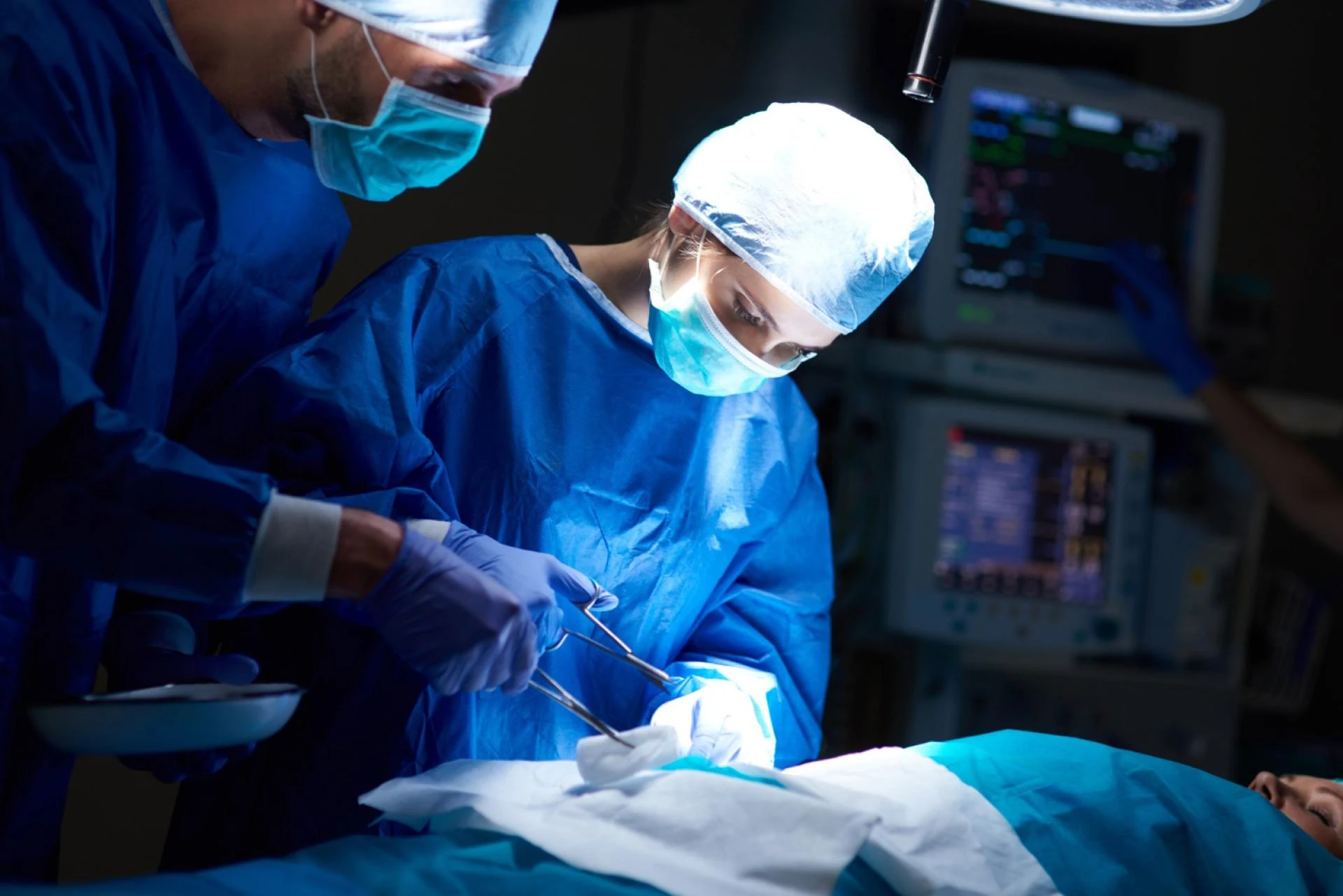

A hernia occurs when an internal organ or fatty tissue pushes through a weak spot in the surrounding muscle or connective tissue. While some hernias cause little discomfort in the beginning, others can gradually become painful and lead to serious complications if ignored. Many patients today seek Hernia Surgery in Lucknow from experienced specialists like Dr. Ajay Yadav, as timely intervention and modern surgical techniques help prevent emergencies and support faster recovery. Understanding when surgery is truly necessary allows patients to make informed decisions and seek care at the right time.
What Is a Hernia?
A hernia usually appears as a visible bulge in the abdomen, groin, or navel area. It may develop due to muscle weakness, heavy lifting, chronic coughing, pregnancy, obesity, or previous surgical incisions. In most cases, a hernia does not heal on its own and requires medical assessment to determine the best course of treatment.
Common types of hernia include:
- Inguinal hernia (groin area)
- Umbilical hernia (around the belly button)
- Incisional hernia (at a previous surgery site)
- Hiatal hernia (upper stomach area)
Symptoms That May Indicate Surgery Is Needed
Not every hernia requires immediate surgery, but certain warning signs suggest the need for surgical treatment, such as:
- Increasing pain or discomfort
- A growing bulge that does not reduce when lying down
- Difficulty in daily movement
- Burning or aching sensation at the hernia site
- Nausea, vomiting, or constipation along with hernia
- Sudden severe pain with a hard, tender bulge (medical emergency)
If a hernia becomes trapped or strangulated, blood supply may be cut off, making urgent surgery necessary.
When Is Hernia Surgery Recommended?
Doctors usually advise surgery when:
- The hernia causes persistent pain
- It interferes with daily activities
- The hernia keeps increasing in size
- There is a risk of strangulation
- The hernia cannot be pushed back inside
In most cases, surgery is the only permanent solution for a hernia.
Types of Hernia Surgery
Modern hernia surgery can be performed using two main techniques:
Open Hernia Repair:
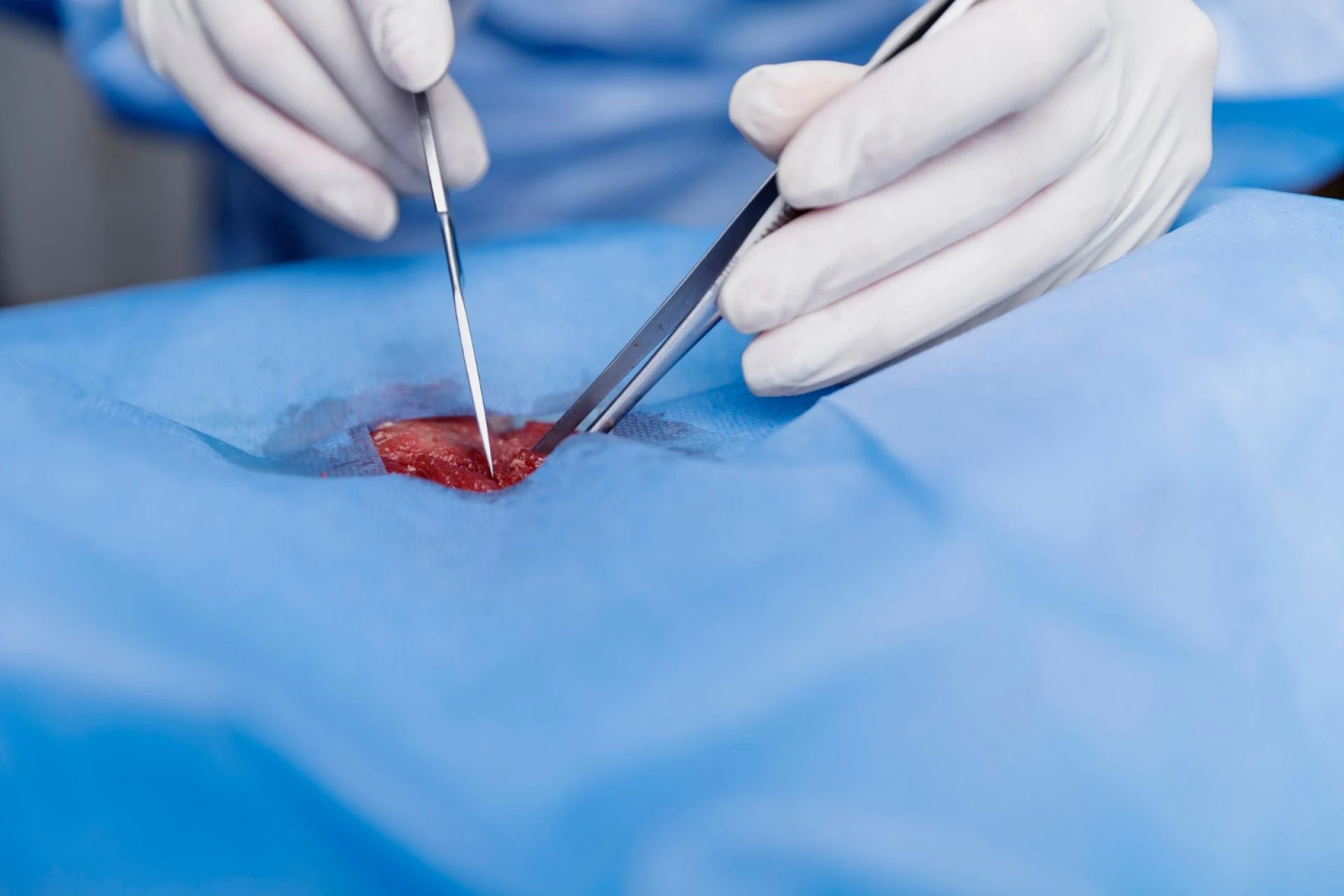
A larger incision is made to push the hernia back into place and strengthen the muscle wall, often using a surgical mesh.
Laparoscopic Hernia Repair:
Small keyhole incisions are used along with a camera and specialized instruments. This method usually leads to less pain, smaller scars, and quicker recovery.
The choice of procedure depends on the type of hernia, the patient’s health, and the surgeon’s expertise.
Recovery After Hernia Surgery
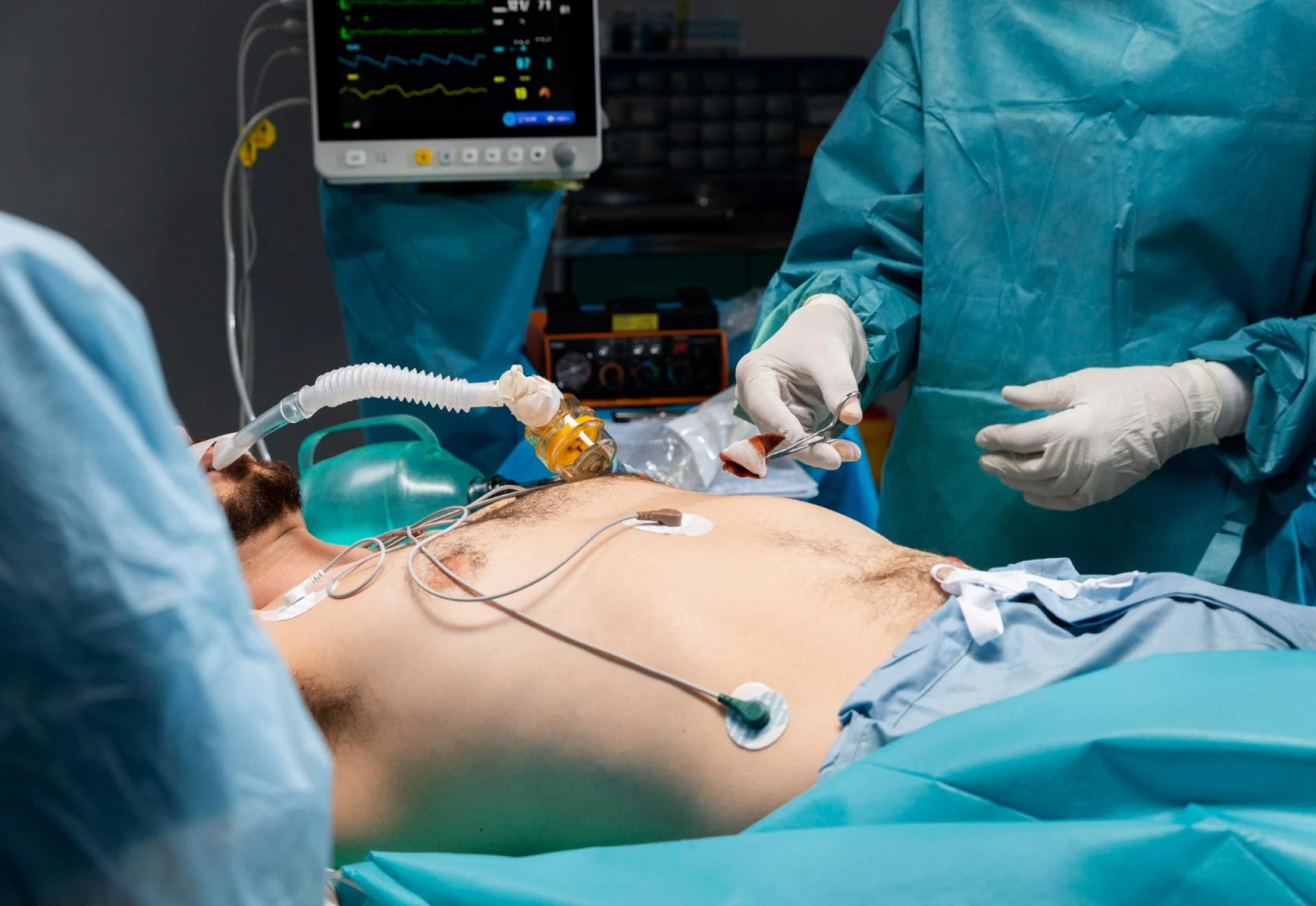
Recovery is generally smooth, especially after laparoscopic procedures. Most patients can resume light activities within a few days and return to normal work within 1–2 weeks. Doctors usually recommend avoiding heavy lifting for several weeks to allow complete healing.
Regular follow-ups help ensure proper recovery and prevent recurrence.
Choosing the Right Specialist
The success of hernia surgery depends largely on the surgeon’s skill and experience. Many patients prefer consulting a Best Gastrosurgeon in Lucknow who is well-trained in minimally invasive techniques. Dr. Ajay Yadav is known for his expertise in advanced gastrointestinal and hernia surgeries, with a focus on precise treatment, patient safety, and faster recovery. His careful evaluation and personalized approach help patients achieve better long-term results.
Conclusion
A hernia should never be ignored, even if it seems small or painless. Recognizing symptoms early and seeking medical advice can prevent serious complications. When surgery is required, modern hernia surgery techniques provide safe, effective, and minimally invasive solutions that allow patients to return to normal life quickly and comfortably.




























Sign in to leave a comment.