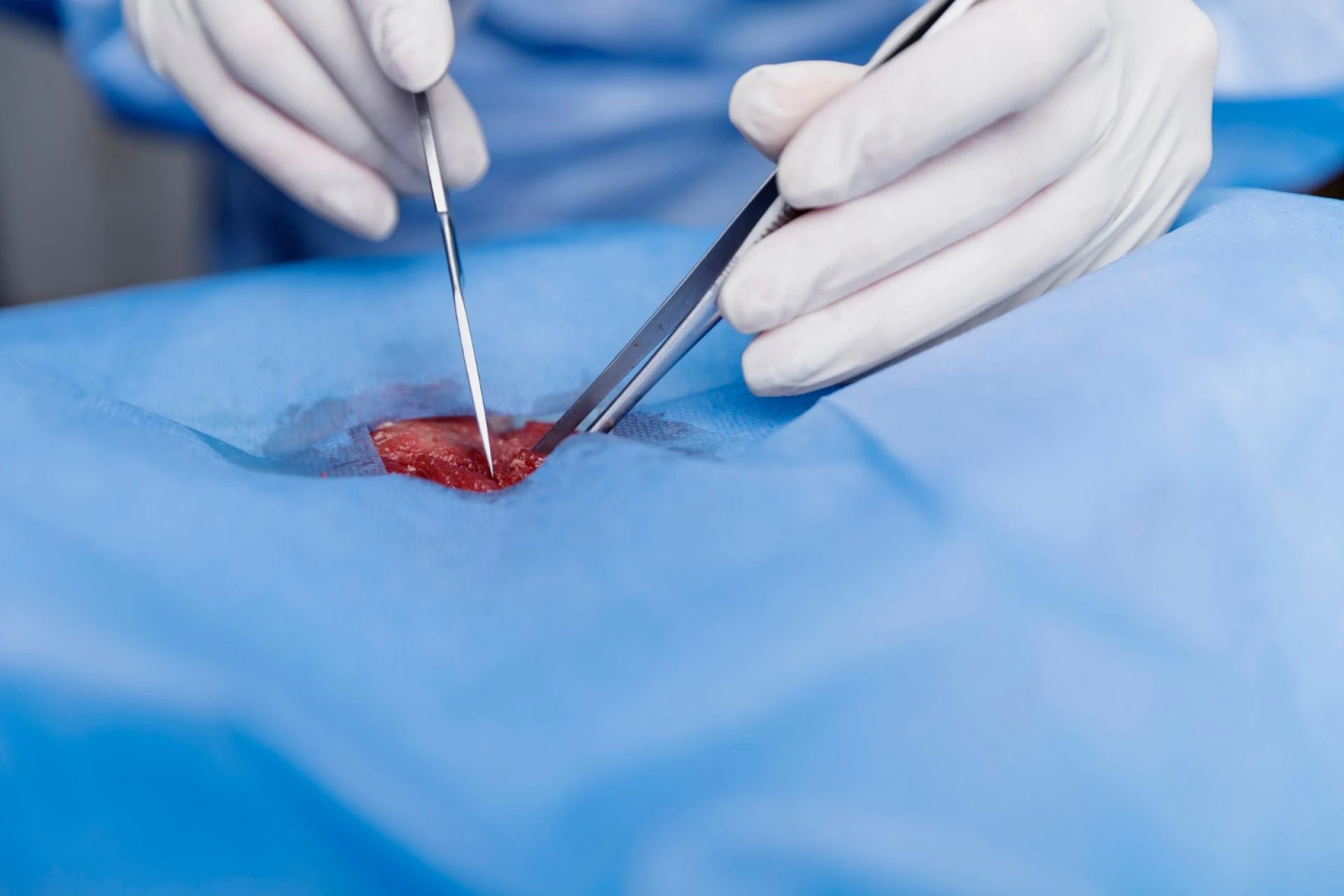

Gastrointestinal (GI) bleeding refers to bleeding that occurs in the digestive tract, including the esophagus, stomach, small intestine, or colon. While some cases of GI bleeding are mild and can be treated with medication or endoscopy, severe or persistent bleeding may require GI bleeding surgery to control blood loss and prevent life-threatening complications. Early diagnosis and timely intervention play a crucial role in improving patient outcomes.
What Is GI Bleeding?
GI bleeding is not a disease itself but a symptom of an underlying condition. It can range from slow internal bleeding that goes unnoticed to sudden, heavy bleeding that requires emergency treatment. The condition may originate anywhere along the digestive tract and can affect people of all ages.
Common signs of GI bleeding include:
- Black, tarry stools
- Blood in vomit
- Dizziness or fainting
- Weakness and fatigue
- Abdominal pain
- Low blood pressure
If any of these symptoms appear, immediate medical attention is necessary.
Causes of GI Bleeding
Several conditions can lead to gastrointestinal bleeding, such as:
- Peptic ulcers
- Gastritis or stomach inflammation
- Esophageal varices (swollen veins)
- Colon polyps or tumors
- Hemorrhoids
- Crohn’s disease or ulcerative colitis
- Tears in the esophagus
In many cases, doctors can control bleeding with medications or endoscopic procedures. However, when these methods fail or bleeding is severe, surgery becomes essential.
When Is GI Bleeding Surgery Needed?
Doctors may recommend GI bleeding surgery when:
- Bleeding is heavy and life-threatening
- Endoscopic treatment fails
- There is a tumor or structural abnormality causing bleeding
- The source of bleeding cannot be controlled non-surgically
- Recurrent bleeding continues despite treatment
The goal of surgery is to stop the bleeding, remove the damaged tissue if necessary, and prevent future episodes.
Types of GI Bleeding Surgery
Depending on the source of bleeding, different surgical procedures may be performed, including:
- Removal of bleeding ulcers
- Repair of damaged blood vessels
- Resection (removal) of affected portions of the intestine
- Laparoscopic or minimally invasive surgery for faster recovery
Modern surgical techniques allow surgeons to treat complex cases with greater precision and minimal trauma to surrounding tissues.
Recovery After GI Bleeding Surgery
Recovery varies based on the severity of bleeding and type of surgery performed. Most patients require close monitoring in the hospital for a few days after surgery.
Post-operative care usually includes:
- Pain management
- Blood tests to monitor recovery
- Dietary adjustments
- Gradual return to normal activities
- Regular follow-up visits
With proper treatment and care, many patients recover well and return to their normal lifestyle.
Choosing the Right Specialist
Successful treatment of gastrointestinal bleeding depends largely on the surgeon’s expertise and experience. Patients seeking safe and effective care often look for a Best Gastrosurgeon in Lucknow who specializes in complex digestive disorders. Dr. Ajay Yadav is known for his experience in managing emergency and complicated GI conditions, including GI bleeding surgery. His careful evaluation, advanced surgical skills, and patient-centered approach help ensure better recovery and long-term results.
Conclusion
GI bleeding can be a serious medical condition that requires prompt diagnosis and appropriate treatment. While many cases can be managed without surgery, severe or persistent bleeding may need surgical intervention. With modern techniques and expert care, best GI bleeding surgery can effectively control bleeding, prevent complications, and restore patient health. Consulting an experienced specialist ensures safer treatment and improved outcomes.






























Sign in to leave a comment.