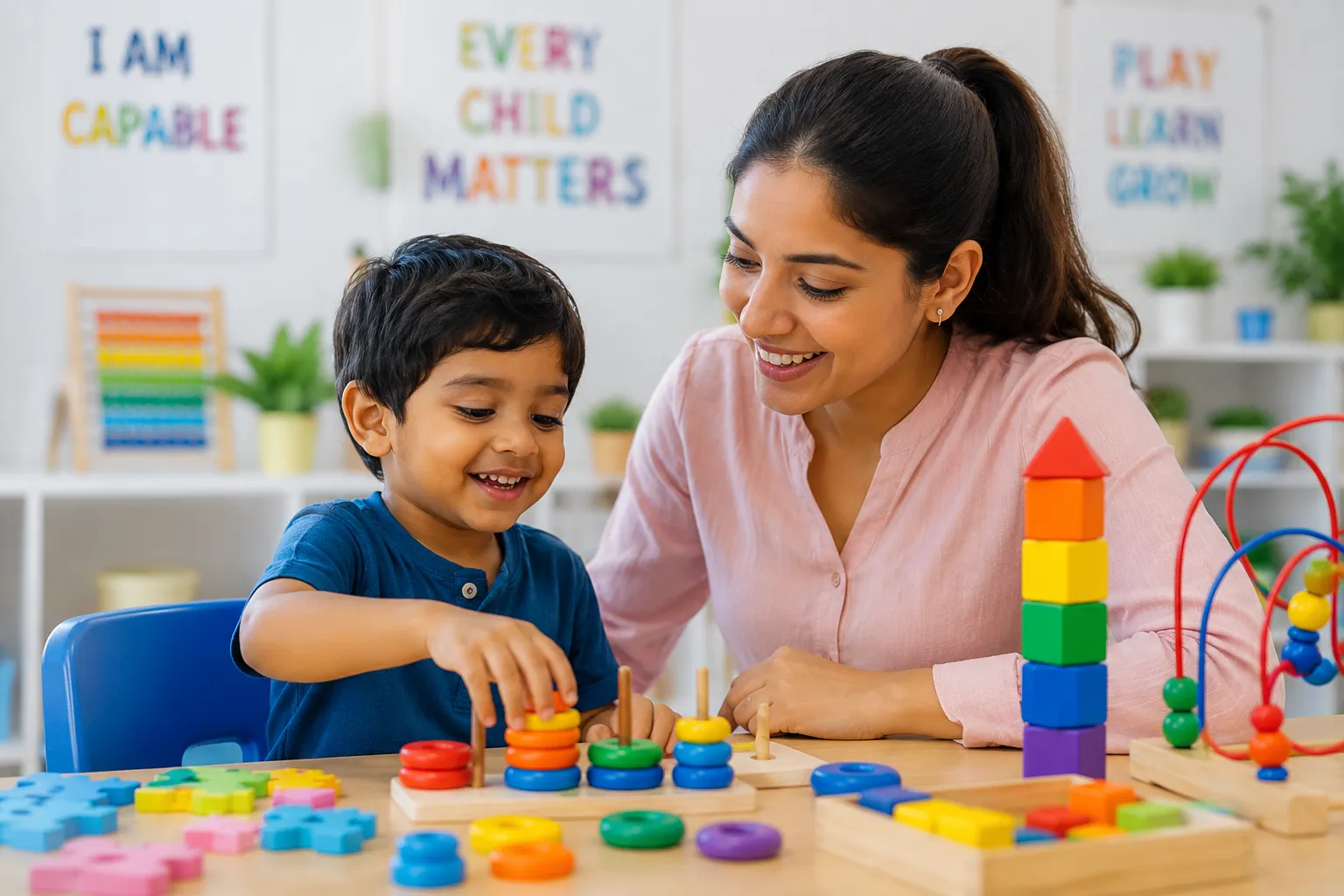

Every child follows a unique developmental path. While growth may happen at different speeds and in different ways, one factor remains consistently important: access to the right support at the right time. Quality autism care is not simply about providing services; it is about creating opportunities for children to learn, communicate, build confidence, and develop essential life skills in an environment where they feel understood and supported.
As awareness of developmental needs continues to grow, families are increasingly looking for personalized approaches that focus on the whole child rather than isolated challenges. This shift has highlighted the importance of quality care in shaping long-term outcomes and helping children reach their potential.
Understanding What Quality Autism Care Really Means
Quality autism care goes beyond structured sessions and developmental activities. It involves a thoughtful approach that recognizes every child’s strengths, interests, learning style, and individual goals.
A supportive program focuses on multiple areas of development, including:
- Communication skills
- Social interaction
- Emotional well-being
- Learning readiness
- Daily living skills
- Confidence and independence
Rather than measuring progress through a single milestone, quality care supports continuous growth across different aspects of a child’s life.
When children receive support that is tailored to their unique needs, they are often more engaged, motivated, and comfortable participating in learning experiences.
Why Timing Plays an Important Role
One of the most significant factors in developmental progress is consistency and timely support. Children learn rapidly during their early years, making this period an important opportunity to strengthen foundational skills.
However, meaningful progress is not limited to early childhood. Children of different ages can benefit from individualized support when it is designed to meet their current developmental stage and goals.
The greatest difference often occurs when support is introduced at a time when children are ready to build new skills and receive guidance that matches their needs. Early identification, regular monitoring, and personalized planning can help create a stronger foundation for future learning and development.
The Impact of Personalized Support
No two children learn in exactly the same way. Personalized care recognizes this reality and adapts strategies to fit each child's abilities and developmental profile.
Individualized support may include:
Communication Development
Helping children express needs, thoughts, and emotions more effectively while encouraging meaningful interaction with others.
Social Skill Building
Creating opportunities for children to engage with peers, understand social situations, and participate more confidently in group activities.
Learning Readiness
Supporting focus, participation, problem-solving, and classroom engagement through structured and enjoyable learning experiences.
Emotional Growth
Helping children develop self-awareness, confidence, and emotional regulation skills that support everyday life.
When support is personalized, children often feel more successful and motivated, which encourages continued progress over time.
How Families Benefit from Quality Autism Care
Developmental progress is most effective when families are actively involved in the process. Parents and caregivers play an important role in reinforcing learning and supporting growth outside structured environments.
Quality care programs often provide:
- Regular communication with families
- Guidance for home-based support
- Progress tracking and goal setting
- Practical strategies for daily routines
- Opportunities for collaborative planning
This partnership creates consistency between professional support and home life, helping children practice skills across different environments.
Families who seek the Best Autism Care Jaipur often value programs that prioritize both child development and family involvement. A collaborative approach helps create a stronger support system that encourages meaningful and lasting progress.
Creating a Positive Environment for Growth
The environment in which a child learns can significantly influence developmental outcomes. Children are more likely to participate, communicate, and explore new experiences when they feel safe, respected, and supported.
A positive developmental environment typically includes:
- Structured yet flexible routines
- Encouraging interactions
- Individualized learning opportunities
- Clear communication
- Positive reinforcement
- Opportunities for social participation
When children experience success in supportive settings, they often become more confident in trying new activities and overcoming challenges.
This confidence can extend into school, family life, and community participation.
Looking Beyond Short-Term Progress
Quality autism care is not only about immediate developmental gains. It is also about preparing children for future opportunities and helping them build skills that support lifelong growth.
Long-term development may include:
Greater Independence
Children gradually learn skills that help them participate more confidently in daily activities and routines.
Improved Communication
Strong communication abilities support relationships, learning, and self-expression.
Better Social Participation
Children become more comfortable engaging with peers, educators, family members, and their community.
Increased Confidence
Positive experiences help children develop resilience and a belief in their own abilities.
Families looking for the Best Autism Care Jaipur often prioritize programs that focus on sustainable growth rather than quick results. Long-term success is built through consistent support, realistic goals, and meaningful developmental experiences.
The Importance of a Child-Centered Approach
Modern developmental support increasingly focuses on child-centered care. This approach recognizes that every child has unique strengths that can be used as a foundation for learning and growth.
Rather than concentrating only on challenges, child-centered programs encourage children to build on what they do well. This creates positive learning experiences and helps children feel valued and capable.
A child-centered approach also promotes:
- Greater engagement
- Improved motivation
- Stronger relationships
- More meaningful learning experiences
- Increased self-confidence
When children feel supported and understood, they are more likely to participate actively in their own developmental journey.
Conclusion
Quality autism care makes the greatest difference when it is personalized, consistent, and focused on the whole child. Meaningful support helps children strengthen communication, learning, social interaction, confidence, and everyday life skills while respecting their unique developmental path.
The most effective programs are those that create positive environments, involve families, and focus on long-term growth rather than short-term achievements. By providing individualized guidance and ongoing support, quality autism care can help children build the skills they need to thrive in everyday life.
Every child deserves opportunities to learn, grow, and succeed. With the right support system, meaningful progress becomes not only possible but sustainable for years to come.




























Sign in to leave a comment.