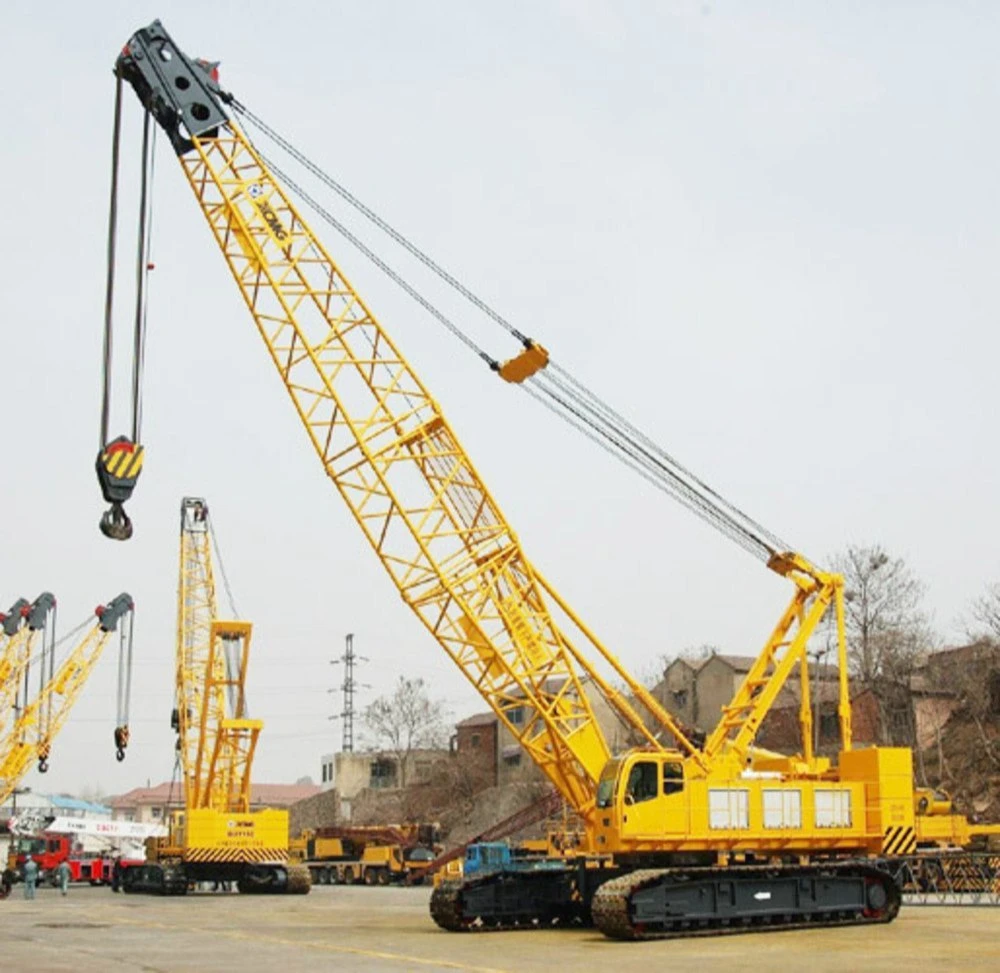

At some point, almost every big project runs into the same problem: something is simply too heavy to move by hand. It might be a steel beam, a rooftop air unit, large construction materials, or even equipment that needs to be placed precisely in a tight space. That’s where crane rental comes in—and in a busy, fast-growing city like Toronto, it’s an essential part of getting work done safely and efficiently.
This guide is designed to walk you through crane rental in Toronto in plain, everyday language. No confusing industry terms, no assumptions that you already “know the drill.” Instead, we’ll break down how crane rental works, when it makes sense, and how to choose the right option—using simple examples you can relate to. By the end, you’ll understand why cranes are less about size and spectacle, and more about smart problem-solving.
Why Cranes Are More Common Than You Think
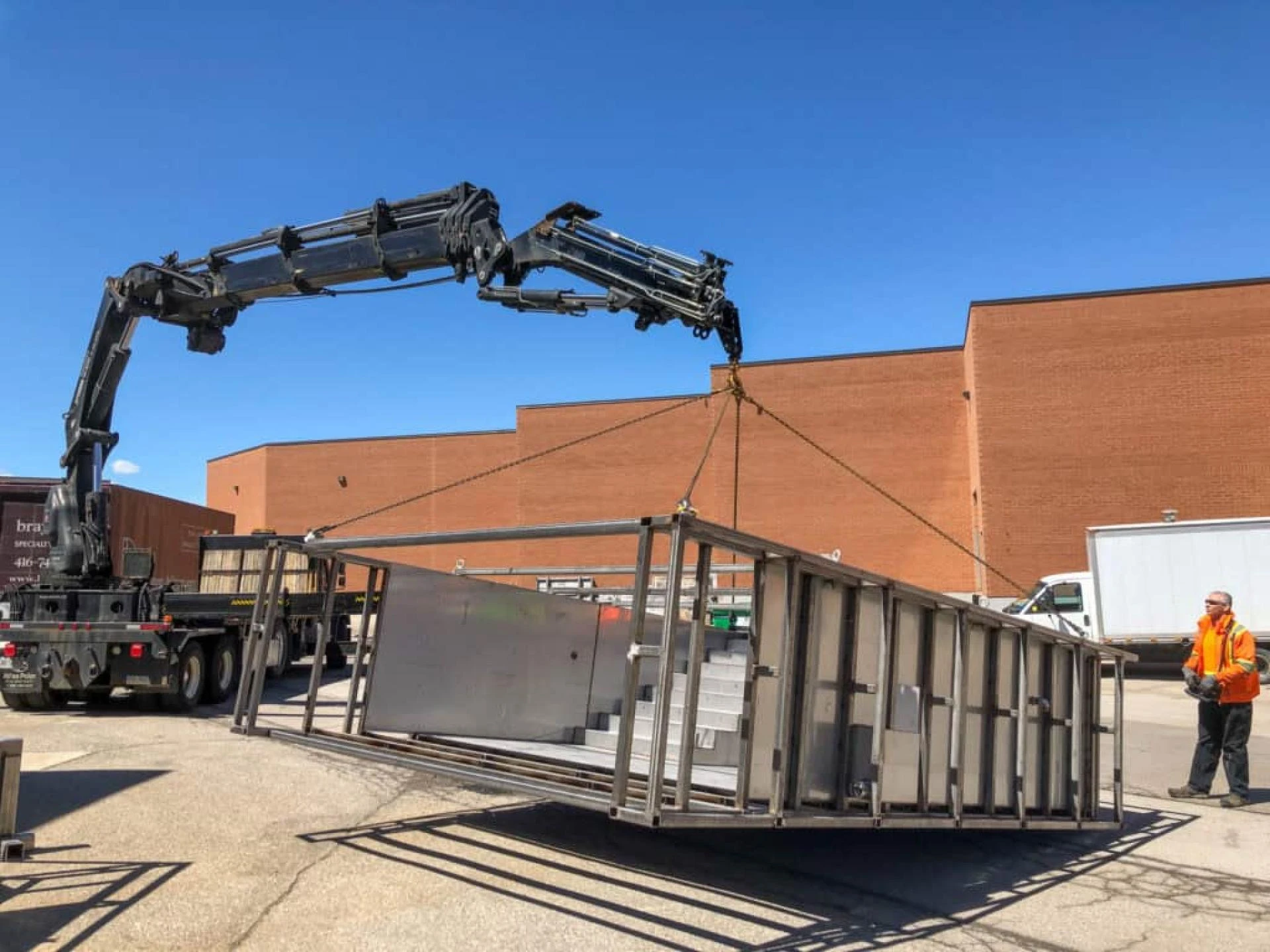
When people picture cranes, they often imagine towering machines on massive construction sites. While that does happen, cranes are also used for much smaller, everyday projects.
Think of a crane as a mechanical helper that does the heavy lifting humans shouldn’t. Just like you’d use a dolly to move a fridge instead of carrying it yourself, a crane handles jobs that are unsafe or impractical without assistance.
Cranes are commonly used for:
- Lifting materials to upper floors
- Installing rooftop equipment
- Moving oversized items into tight spaces
- Supporting renovations and upgrades
- Assisting with infrastructure and utility work
In a dense city environment, cranes allow work to continue without blocking streets or damaging nearby buildings.
What Crane Rental Actually Includes
Renting a crane is not like renting a car where you’re handed the keys and sent on your way. It’s more like hiring a professional moving team that comes with their own truck, tools, and expertise.
A typical crane rental setup includes:
- The crane itself
- A trained operator who knows how to run it safely
- Planning for the lift
- Setup and removal of the equipment
- Safety checks before and during the job
This is important because cranes are powerful machines. Having experienced professionals involved reduces risks and ensures the job is done right the first time.
Understanding Cranes Through Simple Examples
If cranes feel intimidating, it helps to think about them in familiar terms.
Imagine trying to place a couch onto a third-floor balcony. You could attempt to carry it upstairs, but you’d risk injury, damage, and frustration. Or you could lift it from outside and gently place it exactly where it belongs. A crane works the same way—just on a much larger scale.
Another way to think about it: cranes are like very precise arms. They can reach over obstacles, lift straight up, and move objects smoothly without squeezing through tight hallways or doorways.
Why Crane Rental Makes Sense in a Big City
Toronto is constantly changing. New buildings go up, old ones get upgraded, and infrastructure is always being maintained. All of this creates situations where heavy lifting must happen in crowded, limited spaces.
Cranes help solve common urban challenges:
- Narrow streets with limited access
- Busy sidewalks and traffic
- Buildings packed close together
- Limited storage or staging areas
Instead of bringing everything through the front door, cranes allow materials to be lifted from above, reducing disruption and saving time.
Different Projects, Different Needs
Not every project requires the same type of crane or approach. Some jobs take a few hours, while others stretch over weeks or months.
Common types of projects include:
- Residential renovations and home additions
- Commercial construction and upgrades
- Industrial equipment placement
- Emergency repairs and replacements
- Infrastructure and utility maintenance
Each project has its own requirements based on weight, height, and access. That’s why planning is such a big part of the process.
The Importance of Planning Before the Lift
Cranes don’t just show up and start lifting. Every move is planned in advance to ensure safety and efficiency.
Before a crane is used, professionals consider:
- How heavy the load is
- Where it needs to go
- How far it must be lifted or moved
- What obstacles are nearby
- The condition of the ground
- Weather factors like wind
This planning is similar to mapping out a road trip. You wouldn’t drive without checking directions, fuel, and traffic. The same logic applies to lifting heavy objects.
Safety Isn’t Optional—It’s Built In
One of the biggest benefits of hiring professionals is safety. Cranes handle massive weights, and even small mistakes can have serious consequences.
Professional crane teams focus on:
- Clear communication between workers
- Secure attachment of loads
- Controlled movement at all times
- Keeping people at a safe distance
- Following strict safety standards
You can think of it like flying a plane. Passengers don’t need to understand how it works, but they trust trained pilots and safety systems to do the job properly.
How Crane Rental Saves Time and Money
At first glance, renting a crane might seem expensive. But when you look at the bigger picture, it often saves money.
Without a crane, projects may face:
- Slower progress
- Extra labour costs
- Material damage
- Increased injury risk
- Delays due to access issues
Using a crane is like using a dishwasher instead of washing everything by hand. It’s faster, more consistent, and frees people up to focus on other tasks.
Choosing the Right Crane Rental Partner
Not all crane companies are the same. The right provider makes the entire process easier and less stressful.
Look for a provider that:
- Explains things clearly without jargon
- Takes time to understand your project
- Prioritizes safety
- Has experienced operators
- Offers planning support
A good crane rental service acts like a partner, not just a supplier. They help you avoid problems before they happen.
Working in Tight or Busy Spaces
Urban projects often involve working around pedestrians, traffic, and nearby buildings. Cranes allow lifting work to happen vertically rather than horizontally, which reduces disruption.
This is especially helpful when:
- Streets can’t be closed for long
- Materials won’t fit through buildings
- Space is limited on the ground
- Noise and safety concerns are high
By lifting from above, cranes keep projects moving without causing unnecessary chaos.
Environmental and Community Considerations
Modern crane operations are increasingly mindful of their surroundings. Efficient planning reduces fuel use, and newer equipment often produces less noise and emissions.
In residential and commercial areas, this helps maintain good relationships with neighbors and businesses. Less disruption means fewer complaints and smoother projects.
What to Expect on the Day of the Lift
On the day a crane is used, things usually move quickly—but not carelessly.
You can expect:
- The crane to arrive and be set up securely
- Safety checks before lifting begins
- Clear communication between the operator and ground crew
- Controlled, steady movements
- Completion of the lift followed by cleanup
Most lifts are completed in a surprisingly short amount of time thanks to careful planning beforehand.
Conclusion
Crane rental is less about massive machines and more about smart solutions. In a city like Toronto, where space is tight and projects are complex, cranes make it possible to lift heavy items safely, efficiently, and with minimal disruption.
By understanding how crane rental works, why planning matters, and what to expect from professionals, you can approach your project with confidence. Whether it’s a small renovation or a large construction effort, the right crane—and the right team—can turn a difficult task into a smooth operation.
When heavy lifting gets easy, everyone benefits.
Frequently Asked Questions
1. Do I need special permits to rent a crane?
Sometimes. Permits may be required if the crane affects public spaces like roads or sidewalks. Your rental provider usually helps guide you through this.
2. How long does crane rental usually last?
It can range from a few hours to several weeks, depending on the project. Many jobs only need a crane for a single day.
3. Is a crane operator included with the rental?
Yes, most rentals include a trained operator to ensure safe and proper use of the equipment.
4. What happens if the weather is bad?
Strong winds or severe weather can delay lifts for safety reasons. Scheduling is often flexible to account for this.
5. Can cranes be used for residential projects?
Absolutely. Cranes are often used for home renovations, rooftop installations, and hard-to-reach areas.























Sign in to leave a comment.