

Fewer decisions, softer focus, and understanding what I value
I felt the change on a quiet afternoon while reviewing what was left to do before Christmas. Nothing was behind. The budget was steady. The plans were reasonable. Still, there was a lingering sense of tiredness that did not match the situation. Each choice felt like it required more attention than it should. Shopping had become a series of judgments instead of something thoughtful.
Around that time, I kept hearing casual mentions of AI agentic shopping. Not framed as a breakthrough or a shortcut. More like a way to share the mental load. People described using AI to narrow options so they could stop carrying every comparison themselves. The idea stayed with me, so I decided to try it.
I asked an AI agent to help with Christmas shopping and set clear expectations. I shared my budget and explained the atmosphere I wanted to keep. Comfort over novelty. Ease over excess. I wanted items that would settle naturally into my space. Once that was clear, I let the agent begin filtering.
The first thing to arrive was a set of warm white lights. The glow was steady and gentle. When I turned them on, the room felt calmer without trying to impress me. That was when I understood how letting AI narrow choices helped me choose better. I was no longer comparing everything at once.
The tree came next. Simple, balanced, easy to assemble. What stood out was what the agent avoided. It skipped the most heavily reviewed options. When I looked closer, the reviews often contradicted each other. It reflected something I had already been feeling. Trust online feels fragile when volume replaces clarity.
Stockings arrived a few days later. Thick fabric, muted colors, no slogans. I had not asked for minimalism. I had asked for something grounded. The agent understood that distinction without needing explanation.
I also let it choose a few food items. Spiced cookies from a small bakery and a tin of tea meant for quiet evenings. These were not items I would have searched for myself, but once they arrived, they felt familiar and right.
What surprised me most was how light the process felt. I did not save time. I saved mental energy. AI did not replace my decisions. It changed how much weight I carried while making them. I approved every purchase. The agent simply reduced the noise.
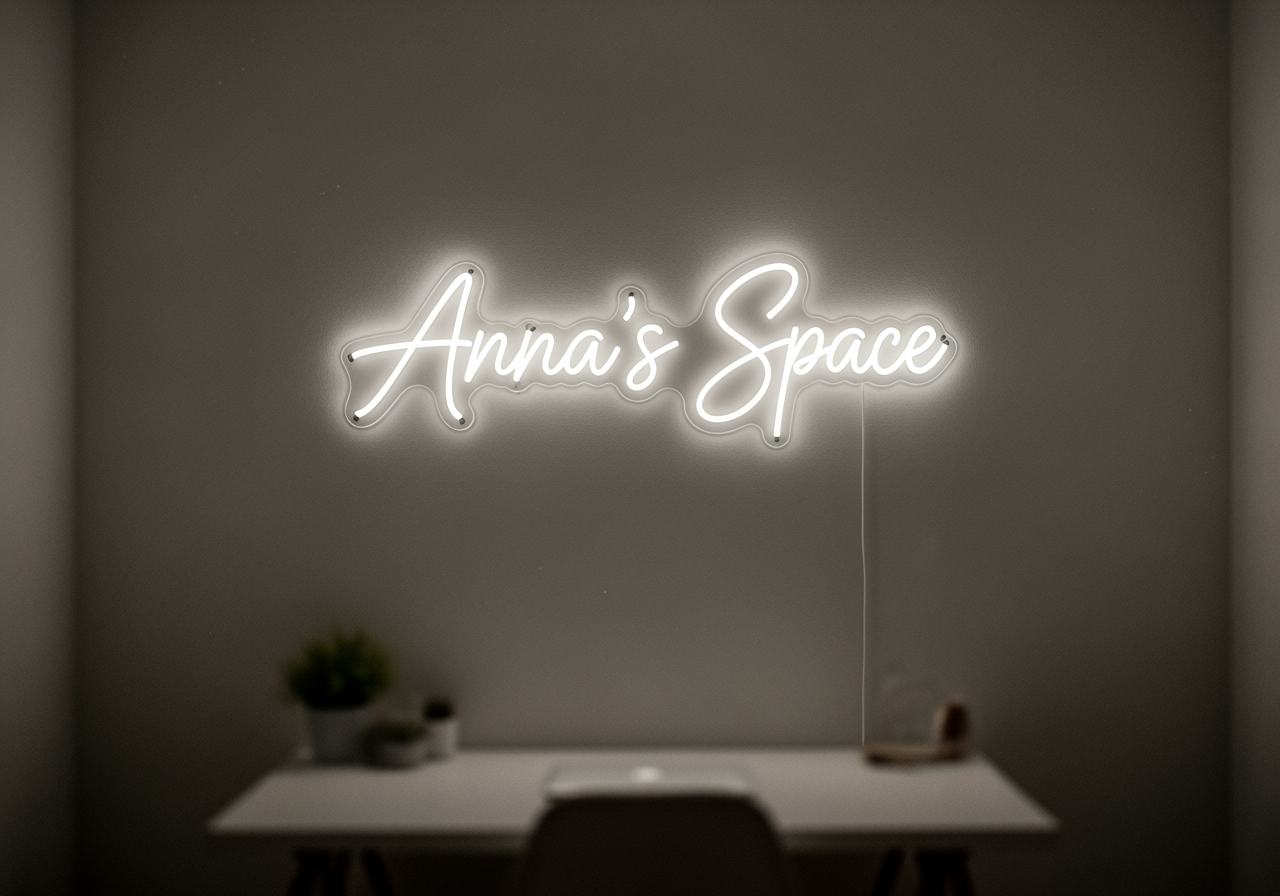
There was one item I wanted to stay closely involved in. A custom neon sign for my personal space. I wanted it personal and calm, not decorative in a loud way. I let the agent research materials, warranties, pricing, and delivery timelines while I focused on the design.
The final choice was a white neon sign reading “Anna’s Space” in a soft cursive font. Clean and steady. The agent led me to Crazy Neon, a brand that communicated clearly and delivered before Christmas. The sign arrived carefully packaged with a small complimentary item included. When I turned it on, it did not compete with the room. It simply belonged.
I let the agent choose a few final pieces. A ceramic serving dish with an uneven glaze. Beeswax candles with a faint honey scent. A linen runner that softened the table. None of these felt trendy. All of them felt intentional.
This experience reminded me that AI did not push me to buy more. It helped me buy with clarity. Shopping used to drain me because it demanded constant judgment in spaces designed to rush trust. Letting an agent handle the repetitive parts gave me room to think.
I expected AI shopping to make things easier. What it gave me instead was space. And in that space, the season felt quieter, warmer, and closer to what I actually want to keep.


























Sign in to leave a comment.