

Legal disputes often rely on factual evidence to reach fair decisions, especially when injuries or health conditions are involved. In many situations, verbal statements alone are not enough to establish the seriousness of harm or the connection between an incident and medical consequences. This is why formal medical documentation becomes necessary in certain types of cases.
A medico-legal report is required when medical evidence must be presented clearly and professionally in legal proceedings. Courts, insurance companies, and legal representatives depend on a medico-legal report to evaluate injury severity, understand the treatment process, and determine the recovery timeline. By providing structured medical documentation and an expert opinion, the report plays a crucial role in resolving disputes fairly.
Personal Injury Claims and Accident Cases
One of the most common situations where a medical legal report is required is in personal injury claims. When someone suffers injuries due to a road accident, workplace incident, or public liability case, medical documentation becomes essential.
The report records clinical findings, diagnostic results, and the extent of physical harm. It establishes a clear link between the incident and the injuries sustained. Without this documentation, it may be difficult to prove the legitimacy of compensation claims.
Courts and insurers use this medical evidence to assess financial responsibility and determine appropriate settlements.
Workplace and Occupational Injury Cases
Workplace injuries often involve complex legal considerations. Employers, insurance providers, and employees may disagree about the cause or severity of injuries. In such cases, a medico-legal report provides objective information to clarify the situation.
The document explains injury severity, outlines the treatment process, and assesses the recovery timeline. It may also evaluate whether the injury has caused permanent impairment or reduced work capacity.
This information helps resolve disputes and ensures that compensation claims reflect the actual impact of the injury.
Medical Negligence and Professional Liability Cases
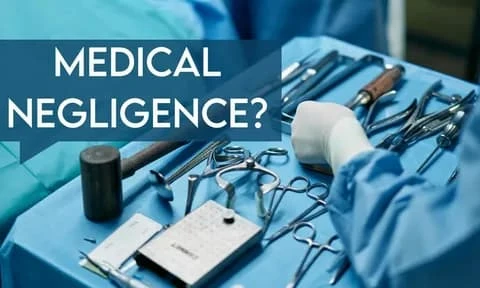
In cases involving alleged medical negligence, accurate documentation becomes even more critical. A medical legal report may be required to examine whether proper standards of care were followed.
The report reviews clinical findings, treatment decisions, and diagnostic results to determine if there was any deviation from accepted medical practice. It provides an expert opinion based on professional assessment rather than personal bias.
Such reports help courts evaluate responsibility and determine whether compensation claims are justified.
Insurance Claim Verification
Insurance companies often request a medico-legal report to verify claims related to injury, disability, or long-term health conditions. Accurate medical evidence ensures that claims are legitimate and supported by documented proof.
The report details the treatment process, recovery timeline, and long-term impact of the condition. This allows insurers to calculate financial compensation accurately and prevent deceitful claims.
Structured medical documentation improves transparency and speeds up the verification process.
Criminal Cases Involving Physical Harm
In criminal cases where physical harm is alleged, medical evidence plays a significant role. A medico-legal report documents injury severity and provides professional evaluation of how injuries may have occurred.
Clinical findings and diagnostic results support legal arguments and help establish facts during court proceedings. The expert opinion included in the report may clarify whether injuries are consistent with the described incident.
Accurate documentation ensures that justice is based on reliable and objective evidence.
Cases Involving Permanent Impairment
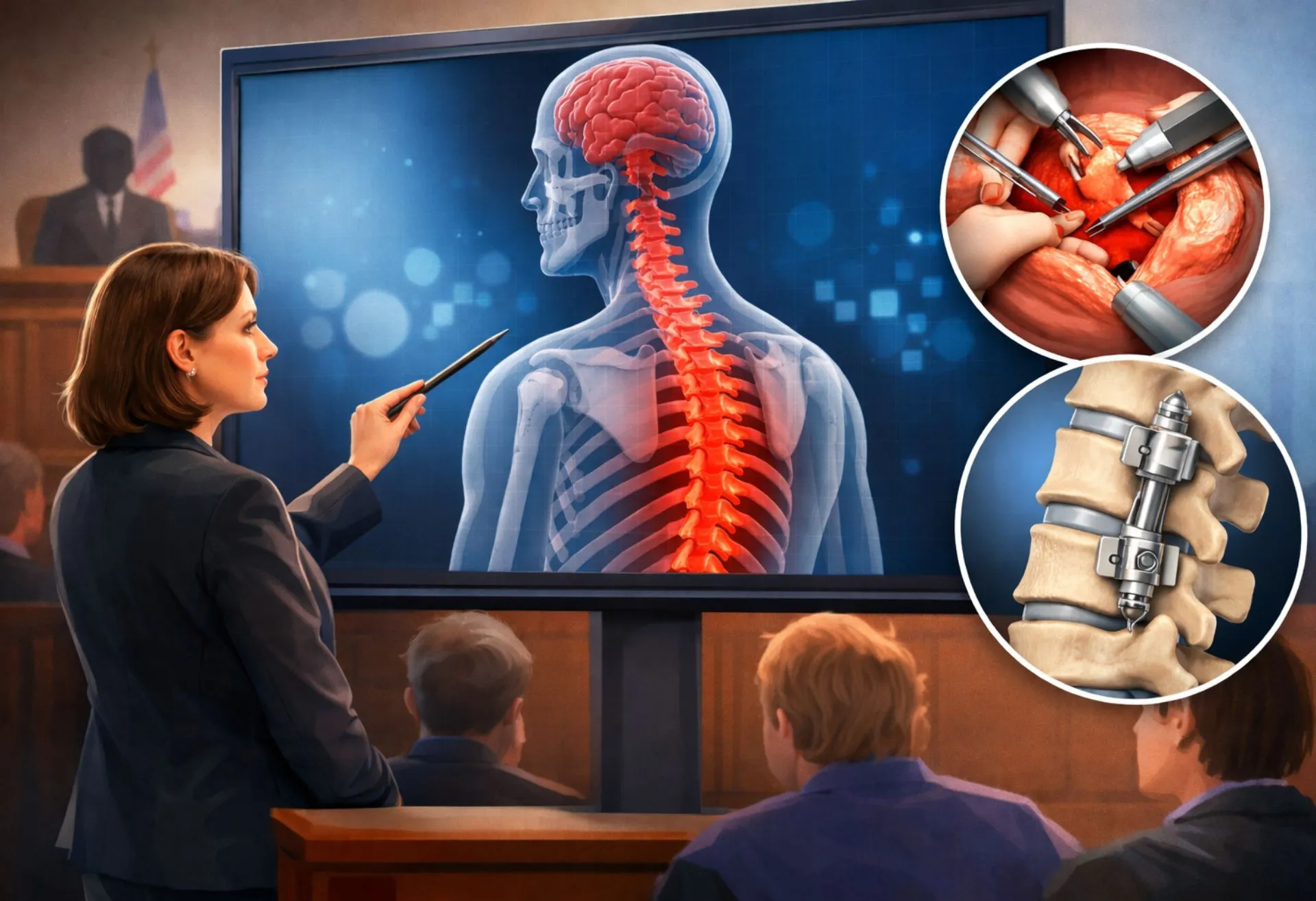
When injuries result in permanent impairment or long-term disability, a medico-legal report becomes essential for assessing future consequences. The document evaluates the long-term impact on mobility, daily activities, and employment.
This assessment influences compensation claims related to ongoing medical care and loss of income. A detailed recovery timeline and future prognosis help legal authorities determine fair financial outcomes.
Proper documentation protects the rights of individuals facing lasting health challenges.
Importance of Professional Integrity in Reporting
Whenever a medical legal report is required, maintaining professional integrity is crucial. The document must remain neutral, factual, and supported by medical evidence. Any exaggeration or omission can weaken its credibility in legal proceedings.
Separating objective clinical findings from expert opinion ensures clarity and trustworthiness. Consistency in structured medical documentation enhances reliability and reduces the likelihood of disputes.
Professional standards ensure that the report fulfills its legal purpose effectively.
Conclusion
A medical legal report is required in various legal cases where medical evidence is necessary to establish facts and determine fair outcomes. From personal injury claims and workplace accidents to medical negligence and criminal cases, structured documentation plays a vital role.




























Sign in to leave a comment.