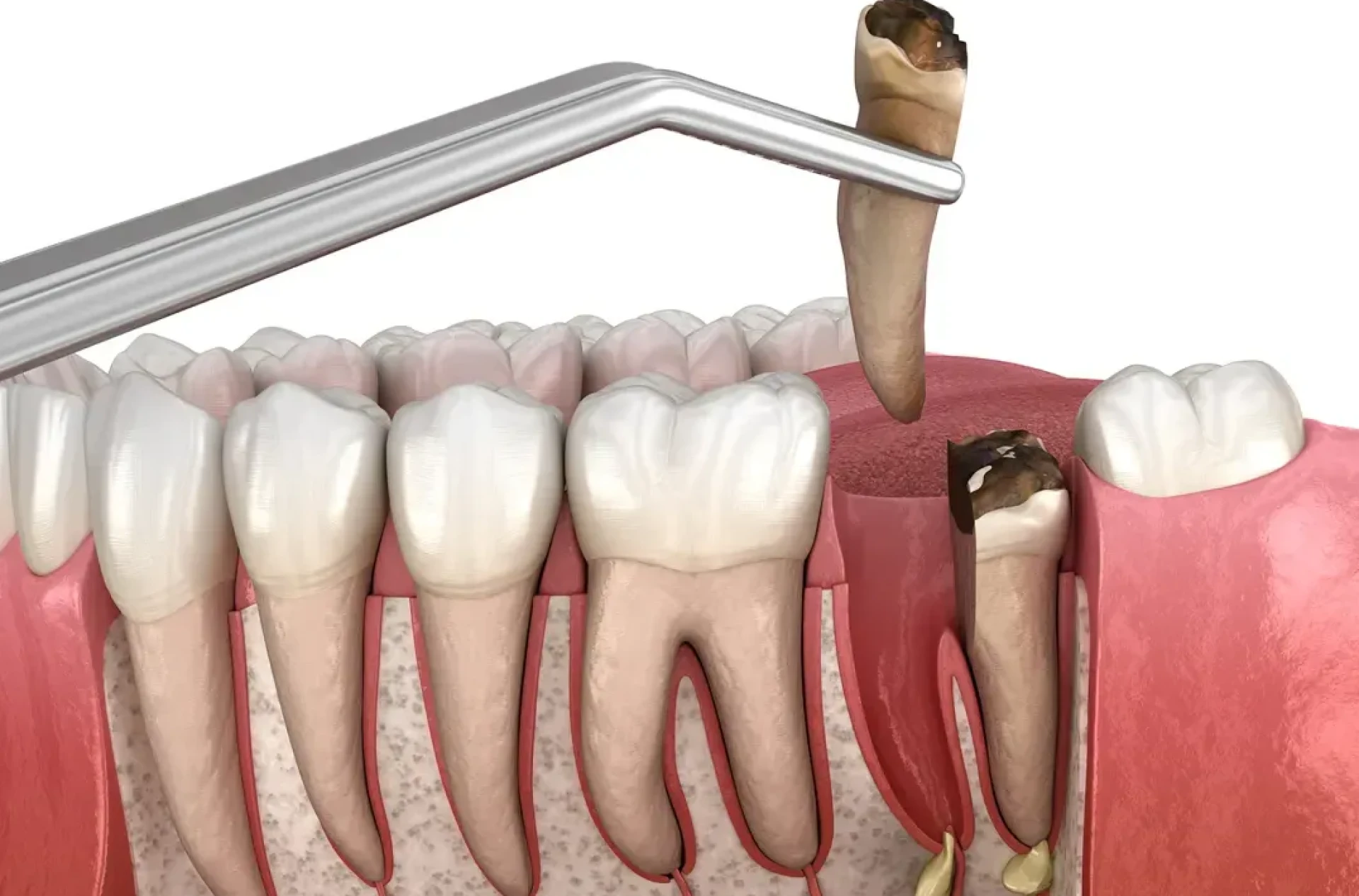

Sometimes, despite our best efforts to care for our teeth, a tooth may need to be removed for the sake of overall oral health. This can happen due to severe decay, infection, damage beyond repair, or to make space for orthodontic treatment. While the idea of having a tooth removed may sound worrying, modern dentistry has made the process safer, faster, and far more comfortable than many imagine. For those who need this procedure, extractions in Rochdale are carried out with care, precision, and the aim of protecting your long-term oral health.
Why a Tooth May Need to Be Removed
Teeth are designed to last a lifetime, but there are times when keeping a damaged or problematic tooth can cause more harm than good. Severe decay that has reached the tooth’s pulp, advanced gum disease, or a fractured tooth that cannot be restored are all common reasons for extraction. In some cases, overcrowding in the mouth makes it necessary to remove one or more teeth to allow other teeth to align properly. Wisdom teeth often fall into this category, as they may erupt at an angle, cause pain, or create problems for neighbouring teeth.
Infection is another important reason for removal. If bacteria have entered the tooth and root area, and root canal treatment is not an option or has not worked, removing the tooth may be the best way to prevent further spread. Dentists only recommend extractions when it is the most beneficial option for your health and when other treatments will not solve the problem effectively.
The Extraction Process Explained
Many people feel nervous before a dental extraction, often because they are unsure of what to expect. Understanding the process can make it less intimidating. The first step is a thorough examination, sometimes supported by X-rays, to determine the tooth’s condition and its position in relation to surrounding bone and nerves. This allows the dentist to plan the extraction in the safest way possible.
Local anaesthetic is used to numb the area completely before the procedure begins. This ensures that you feel no pain, only some pressure as the tooth is gently loosened and removed. For more complex cases, such as impacted wisdom teeth, a surgical extraction may be necessary. This involves making a small incision in the gum to access the tooth. Regardless of the type, the dentist’s focus is on keeping the procedure efficient and comfortable.
What to Expect After Extraction
Recovery times vary depending on the complexity of the removal and your own healing response, but most people can return to normal activities within a day or two. The dentist will provide aftercare instructions, which may include biting on gauze to stop bleeding, avoiding hot foods for the first day, and not rinsing vigorously to allow the healing process to begin undisturbed.
Mild discomfort, swelling, or sensitivity is normal for the first 24–48 hours and can usually be managed with over-the-counter pain relief. Applying a cold compress can help reduce swelling, and eating soft foods will make chewing easier. Following these guidelines helps minimise complications such as infection or delayed healing.
Preventing the Need for Future Extractions
While some extractions are unavoidable, many can be prevented with consistent oral care. Brushing twice daily with fluoride toothpaste, flossing to remove food particles between teeth, and attending routine dental check-ups can keep problems from developing into more serious issues. Addressing dental pain early often means a tooth can be saved rather than removed.
Healthy lifestyle habits also make a difference. Limiting sugary snacks and drinks, avoiding smoking, and staying hydrated all contribute to keeping your teeth and gums strong. Preventive dentistry is not just about maintaining a nice smile—it’s about avoiding the need for invasive procedures wherever possible.
Replacing a Missing Tooth After Extraction
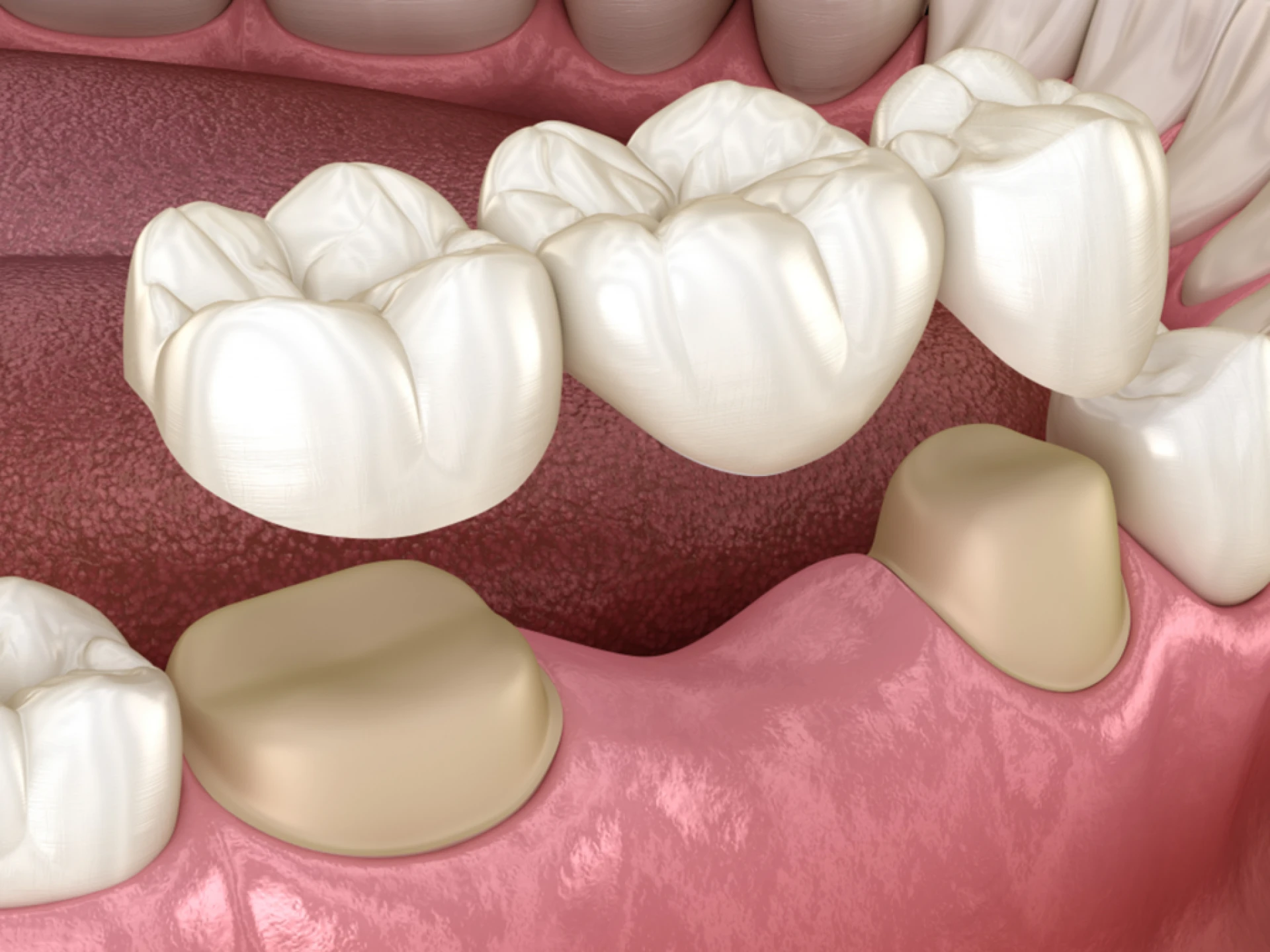
Once a tooth has been removed, it’s important to think about replacement options. Missing teeth can affect not only the look of your smile but also your bite and jaw alignment. Over time, the surrounding teeth may shift into the gap, leading to further dental problems. Common replacement choices include dental implants, bridges, and dentures.
Each option has its advantages, and your dentist can guide you toward the best solution based on your needs, lifestyle, and budget. Choosing to replace a missing tooth soon after extraction helps maintain proper oral function and prevents long-term complications.
A Calm Approach to a Common Procedure
Tooth extractions are far more routine and comfortable than most people expect. Advances in anaesthesia, instruments, and technique mean that patients can undergo the procedure with minimal stress and quick recovery times. A skilled dentist will always prioritise your comfort, safety, and long-term dental health, explaining every step so you feel informed and confident in the process.
Although the thought of removing a tooth can cause anxiety, it’s often a positive step toward ending discomfort, preventing infection, or improving the overall balance of your bite. When performed at the right time and with the right care, an extraction can set the stage for better oral health for years to come. For those in need of a safe and reliable solution, extractions in Rochdale remain a trusted way to protect and restore a healthy, functional smile.






























Sign in to leave a comment.