

Tooth discoloration is a common aesthetic concern, but the appropriate approach depends on the cause, type and severity of staining. Before selecting a bleaching product, dentists should assess the patient's oral condition and determine whether professional bleaching is suitable for the case.
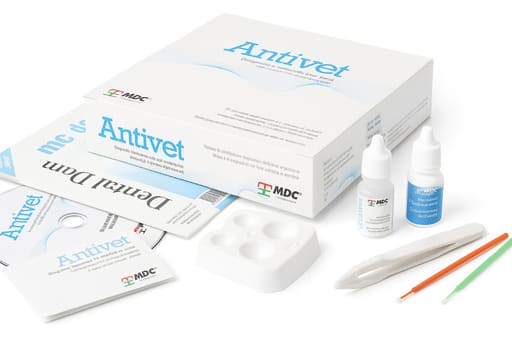
Mdc Antivet Bleaching Agent is an in-office bleaching product indicated for pigmented extrinsic and fluorosis stains. For dental professionals evaluating bleaching products for clinical use, understanding the product's intended application, handling requirements and clinical protocol is important for appropriate product selection.
When Should a Dentist Consider an In-Office Bleaching Agent?
A dentist may consider professional bleaching when a patient presents with tooth discoloration that can potentially be managed through a bleaching procedure.
The initial assessment should consider:
- The underlying cause of discoloration
- Whether the staining is extrinsic or intrinsic
- The extent and severity of pigmentation
- The condition of the teeth and surrounding tissues
- Existing restorations
- The patient's aesthetic expectations
- Whether bleaching is clinically appropriate
For cases involving pigmented extrinsic or fluorosis stains, Mdc Antivet Bleaching Agent may be considered when its stated indications correspond with the clinical requirements.
How Does the Type of Staining Influence Product Selection?
Not all tooth discoloration has the same origin. Extrinsic pigmentation generally affects the external tooth surface, while fluorosis can produce characteristic changes in tooth appearance.
Consequently, dentists should avoid selecting a bleaching agent solely based on the desired whitening effect. Instead, the clinical indication of the product should correspond with the type of discoloration being managed.
Mdc Antivet Bleaching Agent is specifically positioned for in-office management of pigmented extrinsic and fluorosis stains, making indication-based selection an important consideration for dental professionals.
What Should Dentists Assess Before Starting the Procedure?
A proper pre-treatment assessment helps determine whether bleaching is appropriate and allows the dentist to establish a suitable treatment approach.
The dentist should evaluate:
1. Type of Discoloration
Determine whether the patient's concern relates to extrinsic pigmentation, fluorosis or another form of discoloration.
2. Existing Dental Conditions
The teeth should be assessed for conditions that may influence treatment planning, including restorations and other clinical considerations.
3. Patient Expectations
Patients should have realistic expectations regarding the potential outcome of professional bleaching.
4. Treatment Suitability
The dentist should determine whether an in-office bleaching procedure is appropriate for the individual case rather than treating discoloration based solely on aesthetic preference.
Why Is Isolation Important During Bleaching?
Controlled application is an important aspect of professional bleaching. Appropriate isolation helps protect the surrounding soft tissues from unnecessary exposure to the bleaching material.
For Mdc Antivet Bleaching Agent, the product information specifies the use of a rubber dam. Therefore, the required isolation should be established before beginning the procedure, according to the manufacturer's instructions and the dentist's clinical protocol.
Proper preparation of the treatment field also helps the dental professional maintain better control over the application process.
When Can Mdc Antivet Bleaching Agent Be Considered?
Consider a patient who visits a dental clinic because of noticeable tooth pigmentation. Following examination, the dentist determines that the discoloration is consistent with pigmented extrinsic staining.
In such a situation, the dentist can evaluate whether an in-office bleaching procedure is appropriate and, if so, select a product whose stated indication corresponds with the case.
Similarly, if a patient presents with fluorosis-related pigmentation, the dentist can assess the severity and characteristics of the fluorosis before determining an appropriate treatment strategy. Mdc Antivet Bleaching Agent is indicated for fluorosis stains, so it may be considered where clinically appropriate.
The important point is that product selection should follow clinical assessment, rather than the other way around.
What Should Dental Professionals Consider When Handling the Product?
Before using any professional bleaching product, the dental team should review the manufacturer's instructions carefully.
For Mdc Antivet Bleaching Agent, dentists should pay particular attention to:
- Recommended clinical application
- Required isolation
- Handling instructions
- Application procedure
- Storage requirements
- Safety precautions
- Any manufacturer-specific recommendations
Following the manufacturer's instructions is essential for maintaining an appropriate clinical protocol.
Why Is the Right Product Important?
Professional bleaching products can differ in their indications, formulations, application protocols and clinical requirements. Therefore, comparing products based on their intended use is more useful than selecting a product simply because it is marketed as a whitening solution.
For dentists managing cases involving pigmented extrinsic or fluorosis stains, Mdc Antivet Bleaching Agent provides a product option specifically associated with these indications.
Choosing Dental Products Through Dentalkart
For dental professionals in India, Dentalkart serves as a specialized dental-products platform where clinicians can explore products across categories and review product-specific information before making purchasing decisions.
For products such as Mdc Antivet Bleaching Agent, having access to information about the product's intended application and clinical requirements can help dental professionals make more informed purchasing decisions. Dentalkart's platform brings dental materials, instruments, equipment and clinical consumables together in one specialized marketplace for the dental community.
Final Thoughts
The decision to use a bleaching agent should always begin with clinical assessment and diagnosis of the discoloration. When an in-office bleaching procedure is considered appropriate for pigmented extrinsic or fluorosis stains, dentists can evaluate products according to their stated indications and clinical requirements.
Mdc Antivet Bleaching Agent can be considered for cases matching its indicated applications. Dental professionals should follow the manufacturer's instructions, use appropriate isolation and apply their clinical judgment when planning and performing the procedure.
For dentists looking to source professional dental products in India, Dentalkart provides a dedicated platform for exploring dental materials and clinical products, including Mdc Antivet Bleaching Agent.

























Sign in to leave a comment.