

Musculoskeletal health plays a crucial role in our overall well-being. Whether it’s walking, exercising, or performing daily tasks, our bones, joints, muscles, and ligaments are constantly at work. However, many people tend to ignore persistent pain, stiffness, or mobility issues until they become severe. Understanding when to see an orthopedic specialist can make a significant difference in preventing long-term complications and improving quality of life.
Orthopedic specialists focus on diagnosing, treating, and preventing conditions affecting the musculoskeletal system — which includes bones, joints, muscles, ligaments, tendons, and nerves. Early intervention by a skilled orthopedic doctor can help manage pain effectively, restore movement, and prevent further damage.
Let’s explore the key signs, symptoms, and scenarios that indicate it might be time to consult an orthopedic specialist.
1. Persistent or Chronic Joint Pain
One of the most common reasons people visit orthopedic doctors is joint pain that doesn’t go away. Occasional discomfort after physical activity is normal, but pain that lasts for weeks or months requires professional evaluation. Chronic joint pain may result from arthritis, overuse injuries, inflammation, or degenerative conditions like osteoarthritis.
If your joint pain interferes with daily tasks such as climbing stairs, bending, or lifting objects, it’s time to seek orthopedic care. Early treatment can slow disease progression and help preserve joint function through medication, physical therapy, or lifestyle adjustments.
2. Limited Range of Motion
When you notice that it’s becoming difficult to move your arms, legs, or other joints without stiffness or pain, it may indicate an underlying orthopedic problem. Conditions such as arthritis, bursitis, or a frozen shoulder can restrict mobility and cause discomfort.
Orthopedic specialists can perform diagnostic imaging and physical assessments to determine the cause of restricted motion. They may recommend stretching exercises, physical therapy, or in severe cases, surgical options to restore flexibility and movement.
3. Swelling, Redness, or Inflammation
Swelling or redness around joints or muscles often indicates inflammation, injury, or infection. Persistent swelling should never be ignored, especially if accompanied by warmth or tenderness. It may be due to conditions such as tendonitis, gout, or a ligament tear.
Orthopedic evaluation helps in identifying the root cause and providing appropriate treatment — which might include rest, anti-inflammatory medication, physiotherapy, or minimally invasive procedures.
4. Difficulty Walking or Performing Daily Activities
If you find it increasingly hard to walk, stand, or perform everyday activities due to pain or stiffness, it’s a clear sign that your musculoskeletal system needs attention. These symptoms might result from problems with your hips, knees, ankles, or spine.
An orthopedic doctor can help identify whether the cause is degenerative (such as arthritis) or injury-related (like ligament tears or fractures). Early intervention can prevent further damage and help you regain normal function through non-surgical treatments or surgical correction when necessary.
5. Injury from Sports or Physical Activity
Athletes and fitness enthusiasts often push their bodies to the limit, which increases the risk of sports-related injuries such as sprains, fractures, dislocations, and ligament tears. Even mild injuries that seem minor can worsen over time if not treated properly.
Orthopedic specialists are trained to manage sports injuries effectively, using both surgical and non-surgical approaches. They focus on reducing recovery time and restoring full function safely so patients can return to their activities without risk of re-injury.
6. Back and Neck Pain That Doesn’t Improve
Back or neck pain is among the most common orthopedic complaints worldwide. While most cases result from poor posture, stress, or muscle strain, persistent or severe pain may point to spinal issues like herniated discs, sciatica, or spinal stenosis.
If the pain radiates to your arms or legs, causes numbness, or limits your ability to move, an orthopedic consultation is essential. Through imaging and neurological assessments, the specialist can identify the problem and suggest suitable treatments such as physiotherapy, spinal injections, or surgery if required.
7. Recurrent Bone or Joint Injuries
Individuals who experience repeated fractures, dislocations, or sprains should consult an orthopedic specialist to determine if there’s an underlying weakness in the bones or connective tissues. Conditions such as osteoporosis, ligament laxity, or improper healing from previous injuries can make certain areas more prone to damage.
Orthopedic care can strengthen weak areas through targeted therapy, medication, and lifestyle modifications, helping prevent future injuries and promoting long-term joint stability.
8. Signs of Arthritis
Arthritis affects millions of people worldwide and is one of the leading causes of disability. Common symptoms include joint pain, swelling, stiffness (especially in the morning), and a grinding sensation in the joints.
Since arthritis is progressive, early diagnosis by an orthopedic doctor is crucial to slow its progression and manage pain effectively. Depending on the type and severity, treatment may include medications, physiotherapy, or joint replacement surgery.
9. Postural Problems and Spinal Deformities
Postural abnormalities such as scoliosis (sideways curvature of the spine) or kyphosis (forward rounding) often develop gradually and can cause chronic pain, imbalance, or respiratory issues. Orthopedic specialists can assess these deformities through X-rays or MRI scans and design personalized treatment plans, including bracing, exercises, or corrective surgery.
Good posture is not just about appearance—it’s vital for musculoskeletal health and preventing long-term spinal complications.
10. Numbness, Tingling, or Weakness in Limbs
Symptoms like numbness, tingling, or muscle weakness in the arms, legs, or hands could indicate nerve compression or irritation, often linked to spinal or joint problems. For instance, a herniated disc in the spine may compress nearby nerves, leading to these sensations.
An orthopedic evaluation can determine the cause and suggest therapies to relieve pressure on the nerves, helping prevent permanent damage and restoring normal sensation and strength.
11. After an Accident or Fall
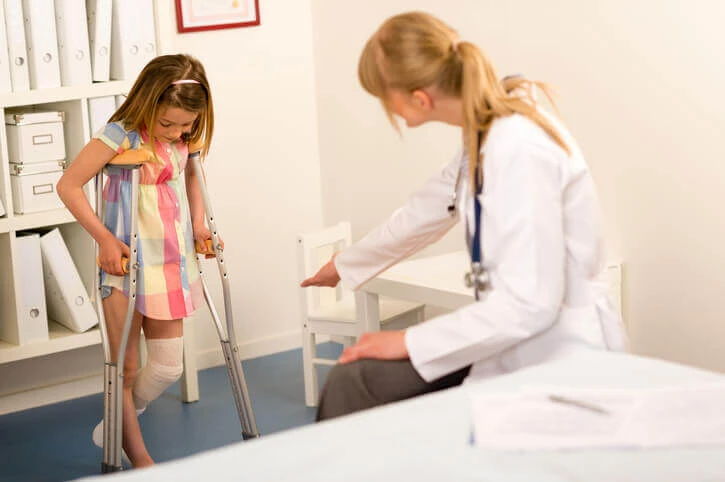
Even if pain or swelling seems minor after an accident or fall, hidden fractures or ligament tears can go undetected. Consulting an orthopedic specialist ensures that injuries are properly assessed and treated before they worsen. Early intervention prevents complications and speeds up recovery.
12. When Conservative Treatments Fail
If you’ve tried home remedies, painkillers, or physical therapy for weeks and your symptoms persist, it’s time to see an orthopedic specialist. They can conduct advanced diagnostic tests to find underlying causes and recommend more effective treatments, including surgical options if necessary.
Choosing the Right Orthopedic Specialist
When looking for expert orthopedic care, it’s important to choose a qualified and experienced doctor who can accurately diagnose and treat musculoskeletal conditions. If you’re experiencing any of the above symptoms or want a comprehensive evaluation, you can consult the Top Orthopedician in Gurgaon at Vardaan Hospital Trauma Centre. Their team specializes in advanced orthopedic treatments, from joint replacement surgeries to sports injury management, ensuring patients receive personalized and effective care.
Conclusion
Ignoring musculoskeletal pain or discomfort can lead to long-term damage and reduced quality of life. Recognizing the warning signs early and consulting an orthopedic specialist can help you regain mobility, alleviate pain, and maintain strong bones and joints for years to come.
Whether it’s persistent joint pain, limited movement, or post-injury complications, timely orthopedic care ensures faster recovery and better outcomes. Remember — your body’s mobility is one of its greatest assets. Take care of it by seeking expert help when needed.



























Sign in to leave a comment.