

A clogged drain is a common plumbing problem that many homeowners experience. A sink may drain slowly, a shower may hold standing water, or a bathroom drain may stop working completely. Some minor clogs can be handled with simple home methods, but not every blockage is easy to fix. Trying the wrong solution can sometimes make the problem worse or delay the repair of a deeper plumbing issue.
Knowing when to call a professional can save time, reduce frustration, and help protect your home's plumbing system. If a drain keeps becoming blocked, affects multiple fixtures, or shows signs of a serious backup, it may need more than a basic DIY solution. For homeowners dealing with persistent problems, a professional Clogged Drain Dallas service can inspect the drainage system and determine the most suitable solution.
What Causes a Clogged Drain?
Drains become clogged when materials collect inside the pipe and restrict the normal flow of water. The exact cause often depends on the type of drain.
Common causes include:
- Hair and soap buildup
- Grease and cooking oil
- Food particles
- Mineral deposits
- Dirt and debris
- Foreign objects
- Tree roots in underground sewer lines
- Damaged or aging pipes
- Excessive buildup inside the drain
A small amount of debris may not cause an immediate problem. However, repeated buildup can gradually reduce the space inside the pipe and make drainage slower.
When Can You Try a DIY Drain Fix?
Not every clogged drain requires professional service immediately.
If the problem is minor and limited to one fixture, you may be able to try a simple solution.
For example, you can:
- Remove visible hair from the drain.
- Clean the drain stopper.
- Use a plunger.
- Check for easily accessible debris.
- Use a drain strainer to prevent additional material from entering.
These basic steps may help with a simple surface-level blockage.
However, if the clog does not improve or returns soon after cleaning, it may be time to contact a professional.
1. The Drain Keeps Clogging
One of the clearest signs that professional help may be needed is a recurring clog.
If you clear the drain today and the same problem returns a few days or weeks later, there may be buildup deeper inside the pipe.
Repeated clogs can be caused by:
- Heavy grease buildup
- Hair accumulation
- Mineral deposits
- A damaged pipe
- A partial blockage
- Tree roots
- Problems farther down the drainage system
Repeatedly treating the symptom without finding the cause may only provide temporary results.
2. Water Drains Very Slowly
A slow drain is often an early warning sign.
You may notice that water takes longer than normal to disappear from your sink, shower, or bathtub. At first, this may seem like a minor inconvenience.
However, slow drainage can mean that the opening inside the pipe is becoming restricted.
If the problem continues, the drain may eventually become completely blocked.
Watch for these changes:
- Water takes longer to drain.
- Water remains around the drain opening.
- Shower water collects around your feet.
- The sink fills while you wash your hands.
- Drainage becomes slower over several days.
It is generally better to investigate a developing problem before it becomes a complete blockage.
3. Multiple Drains Are Clogged
A single clogged sink may have a localized problem.
But when several drains become slow or blocked at the same time, the issue may be farther down the plumbing system.
For example, you might notice:
- A slow kitchen sink
- A slow bathroom sink
- A backed-up shower
- Toilet drainage problems
When multiple fixtures are affected, there could be a restriction in a shared drain line or main sewer line.
This type of problem usually requires professional diagnosis rather than simply treating each individual drain.
4. Water Backs Up Into Another Fixture
Water backing up is a serious warning sign.
For example, you may flush a toilet and notice water rising in the shower drain. Or running the washing machine may cause water to appear in a floor drain.
This can indicate that wastewater is having difficulty moving through the plumbing system.
If wastewater is backing up into your home, stop using affected fixtures when possible and contact a qualified plumbing professional.
5. You Notice Bad Drain Odors
Unpleasant smells coming from a drain should not always be ignored.
A bad odor may be caused by food waste, grease, organic buildup, or other materials trapped inside the pipe.
Persistent sewage-like odors can be more concerning because they may point to a drainage or sewer problem.
If cleaning the visible drain area does not eliminate the smell, professional inspection may be necessary.
6. You Hear Gurgling Sounds
Gurgling is another warning sign homeowners should pay attention to.
When air and water have difficulty moving through a restricted pipe, unusual sounds may occur.
You may hear:
- Bubbling
- Gurgling
- Sucking sounds
- Unusual noises after flushing a toilet
A gurgling drain does not automatically mean there is a major plumbing failure, but repeated sounds combined with slow drainage or backups deserve attention.
7. A Plunger Does Not Solve the Problem
A plunger can be useful for some minor clogs.
However, if you have tried plunging correctly and the drain remains blocked, the obstruction may be deeper inside the pipe.
Continuing to force a blockage without knowing what caused it may not solve the underlying issue.
A professional can use specialized equipment to investigate and clear deeper blockages.
8. Chemical Drain Cleaners Do Not Work
Some homeowners turn to chemical drain cleaners when a sink or shower becomes clogged.
These products may provide limited results for certain types of blockages, but they are not a solution for every plumbing problem.
A chemical product will not necessarily solve issues involving:
- Tree roots
- Damaged pipes
- Foreign objects
- Collapsed pipes
- Severe mineral buildup
- Major sewer line restrictions
Repeated use may also create additional concerns for certain plumbing systems.
If a drain remains blocked after using a household product, it is better to have the cause professionally evaluated rather than repeatedly applying chemicals.
9. You Suspect a Main Sewer Line Problem
A clogged drain can sometimes be connected to a larger sewer issue.
Possible warning signs include:
- Multiple fixtures backing up
- Several slow drains
- Sewage odors
- Water appearing in unusual places
- Toilet problems occurring with other drainage issues
- Repeated blockages
Tree roots can sometimes enter underground sewer pipes through cracks or weak joints. Older pipes can also develop structural problems.
A professional may use a camera inspection to look inside the sewer line and determine what is happening.
10. The Drain Is Completely Blocked
A drain that does not drain at all is more urgent than a slightly slow drain.
Standing water can interfere with normal household activities and may become a problem if it is contaminated wastewater.
If the drain is completely blocked and basic methods do not work, professional equipment may be required.
Why Professional Drain Cleaning Can Be Better
Professional drain cleaning is not simply about forcing water through a pipe.
A qualified professional can investigate the cause of the blockage and select a method based on the condition of the drainage system.
Depending on the situation, a professional may use:
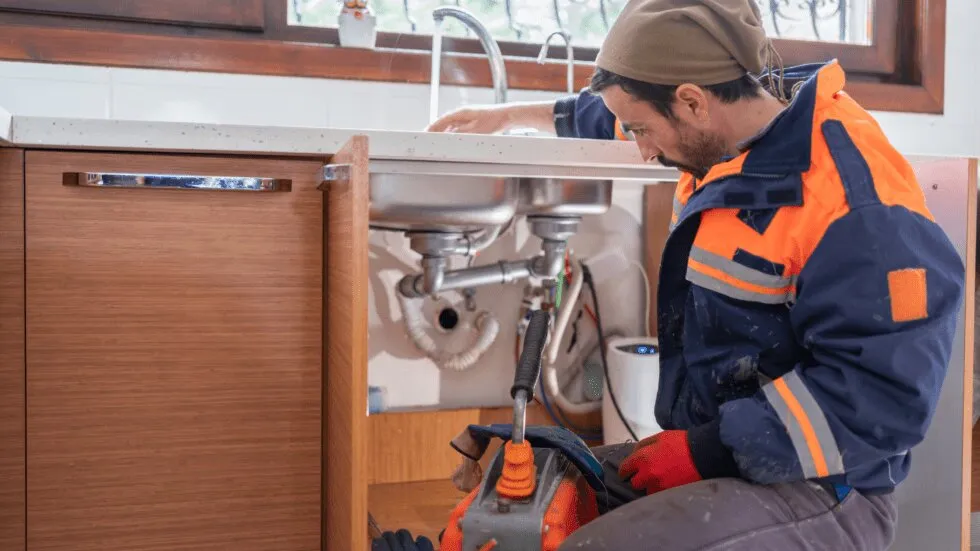
Drain Snaking
A drain snake or auger can reach into the pipe and help break apart or remove certain blockages.
This method is often useful for localized clogs.
Hydro Jetting
Hydro jetting uses high-pressure water to clean suitable pipes.
It can help remove certain types of grease, sludge, sediment, and organic buildup.
The condition of the plumbing should be considered before this method is used.
Video Camera Inspection
A plumbing camera can provide a view inside the pipe.
This can help identify:
- Tree roots
- Cracks
- Heavy buildup
- Foreign objects
- Pipe separation
- Other structural problems
Camera inspection can be especially useful when a drain repeatedly becomes clogged.
How to Prevent Future Drain Clogs
Once the blockage has been cleared, prevention becomes important.
Homeowners can take several simple steps to reduce future problems.
Kitchen Drain Tips
- Do not pour grease or cooking oil down the sink.
- Use a sink strainer.
- Scrape food into the trash before washing dishes.
- Avoid putting large food particles into the drain.
- Clean the sink stopper regularly.
Bathroom Drain Tips
- Use hair catchers.
- Remove hair from drain covers.
- Keep soap residue under control.
- Do not put foreign objects into the drain.
- Pay attention to slow drainage.
General Plumbing Tips
- Do not flush inappropriate materials.
- Address slow drains early.
- Avoid ignoring recurring clogs.
- Have persistent drainage problems professionally inspected.
- Consider routine drain maintenance if your home frequently experiences blockages.
How Dallas Homeowners Can Recognize Drain Problems Early
Homeowners can often spot drainage problems before they become emergencies.
Pay attention to changes in normal plumbing behavior.
For example, if a sink used to drain quickly but now takes several minutes, something has changed.
Likewise, if a shower suddenly begins holding water or a toilet starts draining unusually slowly, these changes should not automatically be considered normal.
Early warning signs may include:
- Slow drainage
- Gurgling sounds
- Bad odors
- Recurring clogs
- Water backups
- Multiple affected fixtures
- Standing water
Recognizing these signs early can make it easier to address the issue before it becomes more disruptive.
When a Clogged Drain Becomes an Emergency
Some drain problems can wait for a convenient service appointment, while others require faster attention.
A clogged drain becomes more urgent when there is:
- Significant wastewater backup
- Sewage entering the home
- Multiple blocked fixtures
- Risk of water damage
- A completely blocked main drainage line
- Water overflowing from a floor drain
In these situations, minimize water use in the affected area and seek professional plumbing assistance.
Why Ignoring a Clogged Drain Can Cost More
A small blockage may seem harmless, but ignoring it can allow the problem to become more severe.
For example, a partial blockage can collect additional debris over time. Eventually, the pipe may become completely blocked.
A serious backup can potentially result in:
- Water damage
- Damaged flooring
- Damaged cabinets
- Unpleasant odors
- Cleanup costs
- Plumbing repairs
Addressing drainage problems early may help reduce the chance of a larger and more expensive issue.
Questions to Ask a Drain Cleaning Professional
Before hiring a plumbing professional, homeowners can ask a few basic questions.
Consider asking:
- What may be causing the blockage?
- How will you inspect the drain?
- What cleaning method do you recommend?
- Could the problem be deeper in the plumbing system?
- Is there evidence of pipe damage?
- What can I do to prevent the clog from returning?
A clear explanation can help homeowners understand the recommended service.
Final Thoughts
A clogged drain is not always a major plumbing emergency, but recurring or severe blockages should not be ignored. A slow drain, unpleasant odor, gurgling sound, repeated clog, or water backup can indicate that a deeper problem needs attention.
Simple DIY methods can sometimes handle minor blockages, especially when the cause is visible and close to the drain opening. However, professional help becomes more important when the problem keeps returning, affects multiple fixtures, causes backups, or does not respond to basic cleaning methods.
Professional drain cleaning can address deeper blockages and may include methods such as drain snaking, hydro jetting, or video camera inspection. The right approach depends on the cause and condition of the plumbing system.




























Sign in to leave a comment.