
Finding wasps around your home or business can be concerning, particularly when they appear near doorways, outdoor entertaining areas, gardens or places where children and pets spend time. While seeing an occasional wasp does not always mean there is a nest nearby, repeated activity in one location may indicate a nesting site or an attractive food source.
Knowing when to contact a professional can help you avoid unnecessary risks and determine the most appropriate way to manage the problem. Wasps can become defensive when their nest is disturbed, and hidden nests may be difficult to locate without the right experience. Understanding the warning signs can help you decide when professional assistance is the safer option.
When Wasps Keep Appearing in the Same Area
Repeated wasp activity around one part of your property is a common reason to seek professional advice. You might notice wasps flying around roof edges, garden sheds, fences, wall cavities or a particular section of the garden. If they repeatedly enter and leave a small opening, a nest may be located nearby.
However, not every gathering of wasps indicates an established colony. Food scraps, fallen fruit, uncovered drinks and other attractants may draw them to the same location. A professional assessment can help distinguish between general foraging activity and a potential nesting problem.
Avoid following wasps too closely or approaching an opening to investigate. Instead, observe their movements from a safe distance and arrange an inspection if the activity continues or creates a safety concern.
When You Discover a Wasp Nest
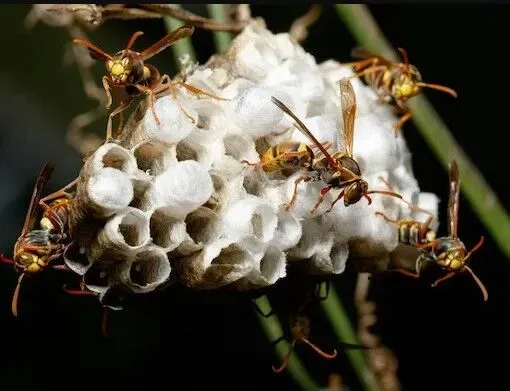
A visible nest is another strong reason to consider professional wasp removal. Nests may be attached to tree branches, positioned beneath eaves or concealed inside sheds, roof spaces and wall cavities. Some are easy to overlook until wasp activity becomes noticeable.
Although a small nest may appear manageable, its size alone does not establish how safe it is to approach. Wasps may defend the nest when they detect movement or vibration, and disturbing it can provoke multiple stings.
Do not knock down the nest, spray it with household products or attempt to remove it by hand. Blocking an entrance to a wall cavity can also create complications if wasps remain inside. Keeping your distance and seeking professional advice is a more cautious approach.
A wasp exterminator can assess the nest's position, surrounding activity and accessibility before recommending suitable treatment. This is particularly important when the nest is close to a frequently used entrance or located somewhere difficult to reach.
When a Nest Is Close to Children, Pets or Visitors
A wasp nest near a front door, patio, swimming pool, playground or outdoor dining area can make everyday activities uncomfortable. The risk may be greater when people regularly pass close to the nest or when pets investigate the surrounding area.
If wasps are active near a busy part of the property, avoid using the affected space where possible. Keep children and pets away, and do not attempt to relocate the nest yourself.
Professional assistance may be appropriate when the location makes it difficult to maintain a safe distance. A suitable response depends on the nest's position, the level of activity and the conditions around the property.
Anyone with a known allergy to wasp stings should take particular care to avoid exposure. If a sting causes breathing difficulties, swelling of the tongue or throat, faintness or other signs of a severe allergic reaction, seek emergency medical assistance immediately.
When Wasps Are Entering Roofs or Wall Cavities
Wasps are not always visible around the outside of a building. They may enter through small gaps beneath roof tiles, around eaves, behind exterior fittings or through openings in wall cavities. You might only notice a steady stream of insects moving towards one point.
These situations can be more complicated than a visible nest because the colony may be hidden from view. Attempting to seal the entry point without confirming the situation can leave wasps trapped inside or encourage them to find another route.
Avoid opening wall panels, climbing onto a roof or applying chemicals inside an enclosed space. A professional assessment can help identify the likely nesting location and determine what action is appropriate.
Property owners should also avoid assuming that a lack of visible activity means the problem has disappeared. If wasps continue entering the same opening, further inspection may be necessary.
When DIY Wasp Removal Is Not Safe
Homeowners sometimes consider removing a nest themselves to save time or avoid arranging a service. However, DIY removal can expose people to stings, particularly when the nest is large, concealed or difficult to access.
Common risks include disturbing a colony unexpectedly, working on ladders while wasps are active, using unsuitable products and approaching a nest without knowing the species or its behaviour. Spraying a nest may not resolve the problem if the colony is located inside a roof or wall cavity.
If you cannot clearly identify the source of the activity, or if reaching the nest would require climbing, dismantling structures or entering a confined area, do not attempt the work yourself.
Residents looking for wasp removal Doncaster can enquire about professional assistance when a nest is suspected or recurring activity becomes difficult to manage.
When Wasps Return After Previous Treatment
Continued wasp activity after treatment can be another reason to request professional advice. It does not necessarily mean the original treatment failed. Wasps may still be attracted to nearby food sources, a separate nest may be present, or insects may be entering from another location.
Pay attention to where the wasps gather and whether they appear to be entering the same opening. Avoid disturbing the area or repeating chemical treatment without understanding the cause.
A professional can assess whether the activity is consistent with a remaining nest, a nearby colony or environmental attractants. Depending on the findings, the next steps may involve additional treatment, monitoring or practical changes around the property.
Keeping rubbish secured, cleaning outdoor dining areas and collecting fallen fruit can help reduce food sources, although these measures will not eliminate an established nest.
What to Expect From a Professional Wasp Control Assessment
The first step is generally to understand where the wasps are appearing and whether there are signs of an active nest. Useful information includes the location of repeated activity, the approximate number of wasps, any visible entry points and whether the nest is near a frequently used area.
Where safe, you can describe what you have observed without approaching the nest. Do not touch it or place yourself at risk to take photographs.
The appropriate treatment depends on the nesting location, accessibility and level of activity. A professional should explain the proposed approach and any precautions you need to follow before, during and after treatment.
It is also worth asking whether follow-up monitoring or preventative maintenance may be appropriate. Sealing suitable gaps after the nesting issue has been safely addressed and reducing accessible food sources may help make the property less attractive to future wasp activity.
Protect Your Property by Acting at the Right Time
You should consider calling a professional wasp exterminator when you discover a nest, notice repeated activity around one location, find wasps entering a building cavity or have concerns about people using the affected area. A nest that is difficult to access or positioned near a busy entrance should not be treated as a simple DIY task.
Taking action early can help you understand the source of the problem before it becomes more disruptive. Keep your distance, avoid disturbing suspected nests and seek appropriate advice when wasp activity presents a safety concern.
For homeowners and businesses, a careful assessment is a practical starting point for managing wasps and reducing the likelihood of further problems around the property.




















Sign in to leave a comment.