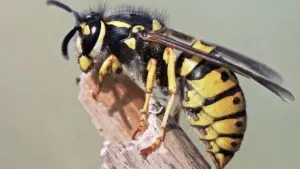

Many homeowners are surprised by how quickly a small wasp nest can develop into a large, active colony. What may begin as a nest no larger than a golf ball during spring can expand dramatically within just a few months, becoming home to hundreds of worker wasps by late summer. Understanding how fast wasp nests grow can help you recognise the importance of early detection and timely treatment.
Knowing the stages of nest development also allows homeowners to identify problems before they become serious safety hazards. If you notice increasing wasp activity around your property, professional wasp control Melbourne services can safely inspect and remove the nest before the colony reaches its peak.
The Wasp Nest Growth Cycle
Most wasp species in Australia follow a predictable annual life cycle. Colony growth depends on seasonal weather, food availability, and suitable nesting conditions.
The nest develops through several distinct stages:
- Queen establishes the nest.
- First worker wasps hatch.
- Colony expands rapidly.
- Nest reaches maximum size.
- Colony naturally declines towards winter.
Understanding each stage makes it easier to identify potential infestations early.
Stage 1: The Queen Starts a New Nest
During early spring, fertilised queen wasps emerge from sheltered locations where they have spent the winter. Their first priority is finding a safe place to build a new nest.
Common nesting locations include:
- Roof eaves.
- Wall cavities.
- Ceiling spaces.
- Garages.
- Garden sheds.
- Pergolas.
- Trees and shrubs.
The queen builds a small paper-like nest using chewed wood fibres mixed with saliva. At this stage, the nest is often only a few centimetres wide and can easily go unnoticed.
Stage 2: The First Worker Wasps Appear
After laying her first batch of eggs, the queen continues caring for the larvae until the first worker wasps emerge.
Once the workers hatch, they take over responsibilities such as:
- Expanding the nest.
- Gathering food.
- Protecting the colony.
- Feeding developing larvae.
This is when nest growth begins to accelerate.
Stage 3: Rapid Colony Expansion
As spring progresses into summer, the colony grows quickly. More workers are produced, allowing the nest to increase in size almost every week.
During this stage, homeowners may notice:
- Increased wasp activity around the property.
- Wasps flying repeatedly to one location.
- A larger paper-like nest.
- More aggressive behaviour near the colony.
A nest that was barely noticeable in spring can become a significant infestation by mid-summer.
How Large Can a Wasp Nest Become?
The final size of a nest depends on the wasp species, weather conditions, and available food sources.
Some nests may contain:
- Hundreds of worker wasps.
- Multiple layers of paper cells.
- Several generations of developing larvae.
- Numerous entrance and exit points.
Larger colonies naturally require more food, which is why wasps become much more visible during the warmer months.
Factors That Influence Nest Growth
Several environmental conditions affect how quickly a wasp colony develops.
These include:
Warm Weather
Higher temperatures allow wasps to forage more frequently and support faster colony growth.
Food Availability
Properties with abundant insects, fruit trees, rubbish bins, and outdoor dining areas provide reliable food sources.
Safe Nesting Sites
Quiet, sheltered locations allow colonies to grow without disturbance.
Minimal Human Activity
Areas that receive little attention, such as roof spaces and sheds, are ideal for long-term nest development.
Why Early Detection Is Important
Small nests are much easier to manage than mature colonies. Identifying a nest early reduces the risks associated with aggressive wasps and helps prevent the colony from becoming established.
Professional wasp control Melbourne technicians can safely inspect your property and recommend the most effective treatment before the nest reaches its maximum size.
Warning Signs That a Nest Is Growing
As a wasp colony expands, the signs become much easier to recognise. Identifying these early indicators can help you arrange treatment before the nest reaches its peak size.
Look out for:
- More wasps flying around your property each day.
- Wasps repeatedly entering the same roof gap or wall cavity.
- A paper-like nest becoming larger over time.
- Buzzing sounds inside ceilings or walls.
- Increased wasp activity near gardens, rubbish bins, or outdoor entertaining areas.
- Aggressive behaviour when approaching a particular area.
If you notice these signs, it's important to avoid disturbing the nest and seek professional advice.
How to Slow the Risk of Future Nest Growth
While you can't completely eliminate wasps from the environment, making your property less attractive can reduce the likelihood of new colonies becoming established.
Helpful prevention tips include:
- Seal cracks and gaps around roofs and walls.
- Keep rubbish bins securely closed.
- Remove fallen fruit from gardens.
- Clean barbecue and outdoor dining areas promptly.
- Trim overgrown trees and shrubs.
- Inspect sheds, garages, pergolas, and roof eaves during spring.
- Arrange routine inspections if you've experienced previous infestations.
Early prevention is much easier than dealing with a mature colony.
Why Professional Wasp Control Is the Safest Solution
Attempting to remove a growing nest without the proper equipment can place you and your family at unnecessary risk. As the colony becomes larger, worker wasps become more defensive and are more likely to sting if disturbed.
Professional wasp control Melbourne services provide:
- Comprehensive property inspections.
- Accurate identification of active nests.
- Safe and effective treatment methods.
- Complete colony management.
- Advice to help prevent future infestations.
- Peace of mind for homeowners and businesses.
Professional removal ensures the entire colony is addressed safely and efficiently.
Local Wasp Control Services You Can Trust
Wasp activity can vary across Melbourne depending on local vegetation, weather patterns, and surrounding environments. Homeowners requiring reliable wasps removal Footscray services can rely on experienced technicians who understand common nesting locations and provide prompt, effective treatments.
Likewise, residents seeking professional wasps removal East Melbourne services benefit from thorough inspections and safe nest removal tailored to residential and commercial properties. Property owners looking for dependable wasp control Glen Waverley services receive customised treatment plans designed to eliminate active colonies while reducing the likelihood of future infestations. Families and businesses needing trusted wasp control Box Hill services can expect expert advice, safe removal methods, and practical recommendations to help keep their properties protected.
When Should You Contact a Professional?
Don't wait until a nest becomes large and difficult to manage. Arrange a professional inspection if:
- You notice increasing wasp activity around your property.
- A paper-like nest is visible under roof eaves or trees.
- Wasps are entering wall cavities or roof spaces.
- The nest is located near outdoor living areas.
- Children or pets regularly use the affected area.
- You are unsure whether the nest is active.
Early treatment helps minimise risks and prevents the colony from continuing to grow.
Conclusion
A wasp nest can develop surprisingly quickly, growing from a small structure built by a single queen into a large colony containing hundreds of worker wasps within just a few months. Warm weather, abundant food, and sheltered nesting sites all contribute to rapid colony growth.
By recognising the stages of nest development and acting as soon as you notice unusual wasp activity, you can prevent a small infestation from becoming a serious safety concern. If you suspect a nest on your property, professional wasp control Melbourne services provide safe inspections, effective removal, and expert advice to help protect your home throughout the year.





























Sign in to leave a comment.