

Women's health concerns can range from routine gynaecological conditions to more complex disorders that require specialised care. While most women are familiar with the role of a gynaecologist, many are uncertain about when they should consult a gynaecologic oncologist. A referral to this specialist can understandably cause anxiety, but it is important to know that being referred does not automatically mean you have cancer. In many cases, it simply means that a symptom, scan, or test result requires further evaluation by a doctor with specialised expertise.
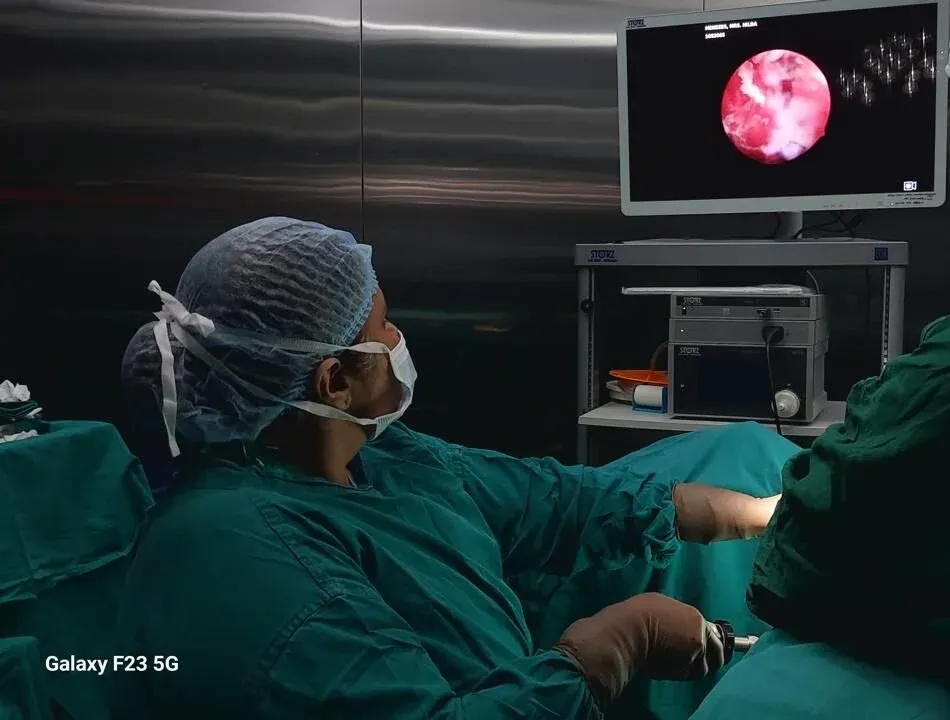
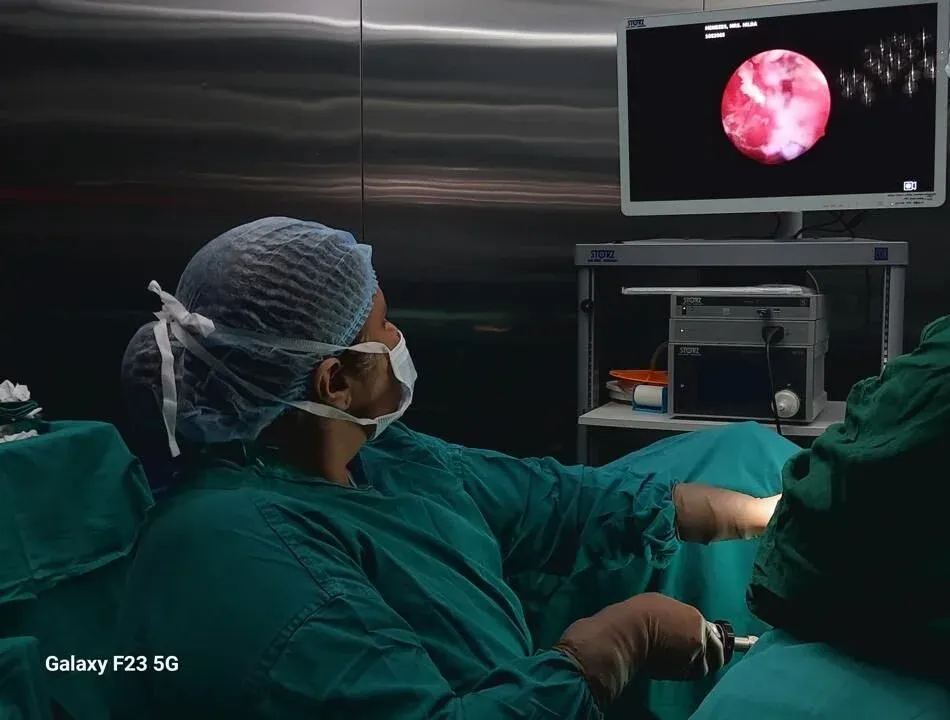
As a Gynaecologist Oncologist in Mumbai, I diagnose, evaluate, and manage cancers affecting the female reproductive system. My role also includes investigating abnormal findings, assessing women who may be at an increased risk of developing gynaecological cancers, and developing personalised treatment plans when cancer is diagnosed. Early evaluation allows us to better understand your condition and recommend the most appropriate next steps based on your individual health needs.
What Is a Gynaecologic Oncologist?
A gynaecologic oncologist is a specialist who has completed advanced training in the diagnosis, surgical management, and treatment of cancers affecting the female reproductive organs. After completing medical training in obstetrics and gynaecology, additional fellowship training is undertaken to manage complex gynaecological cancers using specialised surgical techniques and comprehensive cancer care.
As a Gynaecologist Oncologist, I manage cancers involving:
- Ovaries
- Cervix
- Uterus (Endometrium)
- Fallopian tubes
- Vulva
- Vagina
In addition to treating confirmed cancers, I also evaluate women with suspicious pelvic masses, abnormal biopsy reports, recurrent gynaecological conditions, inherited cancer syndromes, and other findings that require specialist assessment. My goal is to determine the underlying cause of your symptoms and recommend an appropriate management plan based on clinical findings and investigations.
When Should You Consider Seeing a Gynaecologic Oncologist?
Many symptoms associated with gynaecological cancers are also seen in common non-cancerous conditions. However, when symptoms persist, or investigations reveal abnormalities, your doctor may recommend consultation with a specialist. Below are some situations where visiting a gynaecologic oncologist may be appropriate.
1. Persistent or Unexplained Vaginal Bleeding
Abnormal vaginal bleeding is one of the most common reasons women seek medical advice. Although hormonal changes, fibroids, infections, or other benign conditions are often responsible, persistent or unexplained bleeding should always be evaluated.
You should consult your doctor if you experience:
- Bleeding after menopause
- Bleeding between menstrual periods
- Bleeding after sexual intercourse
- Heavy menstrual bleeding lasting longer than usual
- Unexpected vaginal bleeding without an obvious cause
Depending on your examination and test results, your doctor may recommend further evaluation to identify the underlying cause.
2. A Pelvic Mass or Complex Ovarian Cyst
Ovarian cysts are common and, in many cases, harmless. Many simple cysts disappear naturally without requiring treatment. However, some ovarian cysts or pelvic masses have features that require closer assessment.
If an ultrasound, CT scan, or MRI identifies a complex ovarian cyst, pelvic tumour, or suspicious mass, your doctor may recommend consultation with a gynaecologic oncologist. Additional imaging, blood tests, or surgery may be considered depending on the characteristics of the mass and your overall health.
Early evaluation helps determine whether the condition is benign, pre-cancerous, or cancerous and guides the next stage of management.
3. Persistent Pelvic Pain or Abdominal Discomfort
Occasional pelvic discomfort is common and may be related to menstruation or other non-cancerous conditions. However, pain that persists for several weeks or gradually worsens should not be ignored.
Persistent pelvic or lower abdominal pain may sometimes be accompanied by:
- Abdominal bloating
- A feeling of fullness after eating small amounts
- Changes in bowel habits
- Frequent urination
- Unexplained fatigue
- Loss of appetite
- Unintentional weight loss
These symptoms do not necessarily indicate cancer, but when they persist or occur together, further medical evaluation is recommended.
4. Abnormal Biopsy or Cervical Screening Results
Routine cervical screening plays an important role in identifying abnormal cervical cells before they develop into cancer. Sometimes, Pap smear results or biopsy findings may indicate pre-cancerous changes or confirm the presence of cancer.
If your biopsy shows significant abnormalities, I carefully review the pathology findings, perform any additional investigations that may be required, and discuss the available treatment options based on your diagnosis.
Receiving an abnormal test result can be overwhelming, but many abnormal findings are highly treatable when evaluated promptly.
5. A Family History of Gynaecological or Related Cancers
Some women have an increased inherited risk of developing certain cancers because of their family history or genetic factors.
You may benefit from specialist assessment if you have close relatives diagnosed with:
- Ovarian cancer
- Endometrial (uterine) cancer
- Breast cancer
- Colorectal cancer associated with hereditary cancer syndromes
During consultation, I review your personal and family medical history to determine whether additional screening, genetic counselling, or preventive strategies may be appropriate.
6. A Confirmed Diagnosis of Gynaecological Cancer
If you have already been diagnosed with cancer affecting the female reproductive system, consultation with a gynaecologic oncologist is an important part of planning your care.
These cancers may include:
- Ovarian cancer
- Cervical cancer
- Uterine (endometrial) cancer
- Vulvar cancer
- Vaginal cancer
- Fallopian tube cancer
Treatment recommendations depend on several factors, including the type of cancer, stage of disease, overall health, and individual preferences. Management may involve surgery, chemotherapy, targeted therapies, or a combination of different treatment approaches.
Conditions Commonly Managed by a Gynaecologic Oncologist
Although cancer treatment forms a major part of my practice, I also evaluate a range of conditions that may require specialised investigation before a final diagnosis is made.
These include:
- Ovarian tumours
- Borderline ovarian tumours
- Cervical dysplasia
- Endometrial hyperplasia
- Complex ovarian cysts
- Pelvic masses
- Vulvar lesions
- Vaginal lesions
- Pre-cancerous conditions of the cervix and uterus
- Women with hereditary cancer syndromes
Not every condition evaluated by a gynaecologic oncologist turns out to be cancerous. Many women are referred simply to ensure that the most appropriate investigations are performed.
What Happens During Your First Consultation?
Your first consultation focuses on understanding your medical history and reviewing all available information before deciding on further investigations or treatment.
During the appointment, I may review:
- Your current symptoms
- Previous medical history
- Family history
- Imaging studies such as ultrasound, CT scan, or MRI
- Blood test results
- Biopsy or pathology reports
- Previous surgeries or treatments
Depending on your condition, additional investigations may be recommended to obtain a clearer diagnosis. Once all the necessary information is available, I discuss the findings and explain the treatment options that may be suitable for your individual situation.
Why Early Evaluation Matters
Many gynaecological cancers develop gradually and may produce very few symptoms in their early stages. Some women may not notice any symptoms until the disease has progressed, which is why regular gynaecological care remains important.
Seeking medical attention when symptoms persist allows healthcare professionals to investigate potential causes sooner. Conditions such as abnormal bleeding, persistent pelvic pain, unexplained bloating, or suspicious imaging findings should not be ignored, even though they are often caused by non-cancerous conditions.
Routine cervical screening, pelvic examinations, and timely follow-up of abnormal results remain important aspects of preventive women's healthcare.
Choosing the Right Specialist
Choosing the appropriate specialist depends on your diagnosis and healthcare needs. Routine reproductive health concerns are generally managed by a gynaecologist, while women with suspected or confirmed cancers of the female reproductive system are often referred to a gynaecologic oncologist for specialised evaluation and treatment.
If you are looking for a gynaecologic oncologist in Dadar, Mumbai, it is important to consult a doctor with specialised training in gynaecologic oncology who can evaluate your symptoms, review your investigations, and discuss appropriate management options based on your individual diagnosis.
Conclusion
Being referred to a gynaecologic oncologist does not automatically mean you have cancer. In many situations, it simply means that your symptoms, examination findings, or investigation results require specialised assessment.
Persistent abnormal bleeding, pelvic masses, ongoing pelvic pain, abnormal cervical or endometrial biopsy results, a significant family history of gynaecological cancers, or a confirmed cancer diagnosis are all reasons why your doctor may recommend consultation with a specialist.
As a Gynaecologic Oncologist, my focus is on carefully evaluating each patient's condition, explaining the available diagnostic and treatment options, and helping them make informed decisions about their care. If you are experiencing persistent symptoms or have been advised to seek specialist evaluation, consulting a qualified gynaecologic oncologist can provide clarity about your diagnosis and guide the next steps in your treatment journey.


























Sign in to leave a comment.