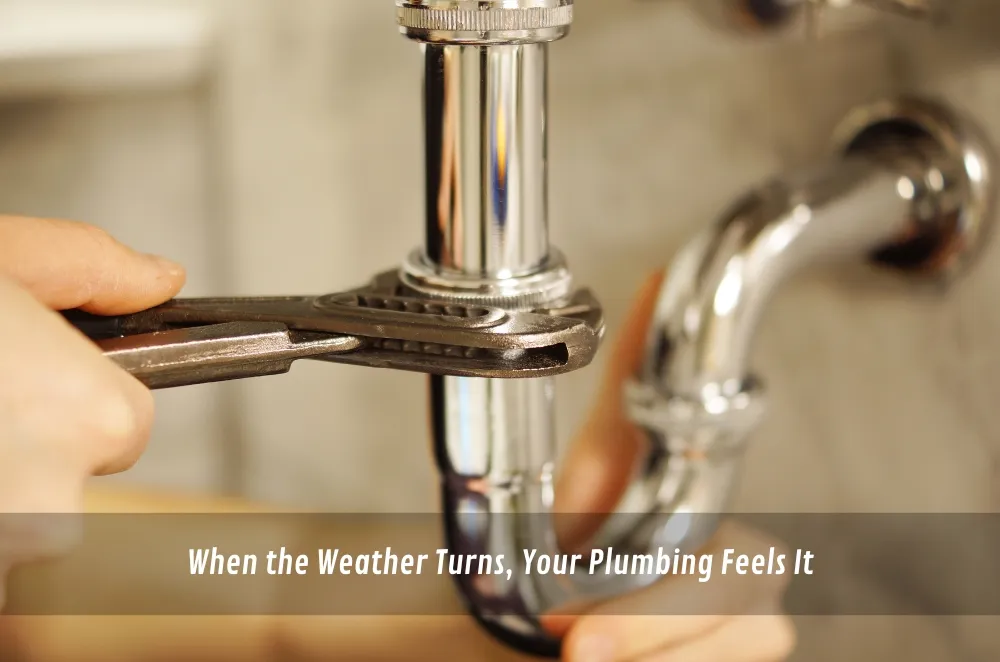

Greater Sydney clocked its share of soggy summers and crisp, dry winters over the past decade. Most households notice the humidity or the heater bill, then move on. What slips under the radar is how fast those temperature swings and downpours push a home’s pipework to breaking point. From Sutherland Shire’s salty breeze to Wollongong’s sudden deluges, the climate keeps copper, PVC, and every thread in between under constant stress.
Telltale drips after a scorcher, mysterious pipe creaks once the mercury drops — they’re rarely random. They’re reminders that climate and plumbing have a running conversation. Acting on the whispers rather than the screams is cheaper, cleaner, and far less disruptive than an emergency call-out at 2 am.
Early intervention usually starts with a health check from a crew that handles everything end-to-end. If you don’t already have a go-to team, start by bookmarking one that offers genuinely broad, professional plumbing services rather than one-off fixes.
Summer’s Sudden Downpours and High Humidity
Sticky afternoons followed by twenty-minute sky-bursts are the norm across the basin. Rapid pressure shifts inside household pipes mirror the swings outside.
– Rainwater gutters overflow; the surge races through downpipes into stormwater lines.
– Warm air trapped in crawl spaces breeds condensation around copper joints.
– Tree roots chase the extra moisture and snake straight toward sewer mains.
Left unchecked, that cocktail leads to slow drainage, hidden water damage in eaves, or tree-root intrusion that only shows up once the loo refuses to flush properly. Clearing debris after each major storm sounds tedious, yet it’s the difference between a Saturday ladder session and an excavator in the front yard six months later.
The Winter Contraction Effect
Sydney winters won’t freeze pipes solid, but the overnight lows — especially in the higher reaches of the Shire — still make metal contract. Cold snaps can loosen threaded joints just enough for a pinhole leak to start. That leak might travel along a stud and pop out as a bubbling paint blister metres away from the culprit.
Insulating exposed pipe runs is a quick win. So is keeping an eye on your water meter before bed and again at breakfast: any unexplained jump points to a silent trickle inside the walls. Homeowners digging into these subtler clues often discover other quirks, like sediment build-up rattling inside the hot-water tank or the dishwasher taking longer to fill. For a deep dive into those “how did we miss that?” moments, the piece on comprehensive plumbing solutions lays out real-world oversights and the surprises they unleash.
Quick Comparison: Season-by-Season Stress Points
| Season | Typical Weather Pattern | Common Plumbing Impact | Simple Preventive Move |
| Late Summer | Short, heavy rain bursts | Downpipe blockages, sewer surcharge | Clear gutters and inspect yard drains |
| Mid-Winter | Cold nights, dry air | Joint contraction, tank sediment agitation | Lag exposed pipes, flush hot-water tank |
| Early Spring | Alternating warm days and cool nights | Pipe expansion fatigue, tap washer wear | Replace ageing washers and flexi hoses |
| Autumn | Leaf fall plus sporadic showers | Grate and gutter blockages | Install leaf guards before first downpour |
None of these tasks require specialised gear, just a schedule and a willingness to look before the overflow alarm.
Materials Matter More Than You Think
Homes built in the 1970s lean heavily on galvanised steel; modern extensions use an alphabet soup of PEX, HDPE, and copper. Each reacts to temperature differently. Galvanised lines corrode faster in humid east-facing walls, while some flexible plastics grow brittle after long UV exposure if they pass too close to poorly insulated roof sheets.
Mix-and-match renovations add another layer. Joining copper to galvanised without the right dielectric fittings, for instance, invites electrolysis — gradual, unseen, and predictable once you know the chemistry. A periodic site-wide materials audit keeps surprises to a minimum and maps out which pipe runs should be first in line for replacement when budgets allow.
Not All Leaks Announce Themselves
Water stains on plasterboard are obvious; micro-leaks under a slab are not. A slightly warm patch on the laundry floor might be the only clue a hot-water return line has failed. Likewise, unexpectedly lush grass over one patch of lawn can flag a cracked sewer bend.
Acoustic leak detection and thermal imaging catch problems long before jackhammers do. Many plumbers now bundle these checks into annual service plans. In 2026 that gear is neither exotic nor bank-breaking; it’s the difference between a small section of lifted tile and a full bathroom refit.
Climate Data Is Your Friend
Home maintenance decisions feel less like guesswork once you match them to credible weather trends. The Bureau of Meteorology seasonal outlook shows projected rainfall and temperature anomalies three months out, giving homeowners a heads-up on whether to brace for a wetter-than-average spring or an uncharacteristically dry turn. Aligning gutter cleans, root-barrier checks, and valve inspections with that forecast stretches every maintenance dollar.
Keeping Ahead of the Weather
Sydney’s climate won’t pause its swings, but households can stay a step ahead by pairing routine checks with small, data-driven tweaks. The payoff is rarely a glossy before-and-after shot; it’s the leak that never formed, the Saturday you didn’t spend mopping, the reno money that stayed in the offset account. Not glamorous, just practical — and that’s exactly what a plumbing system should be.





























Sign in to leave a comment.