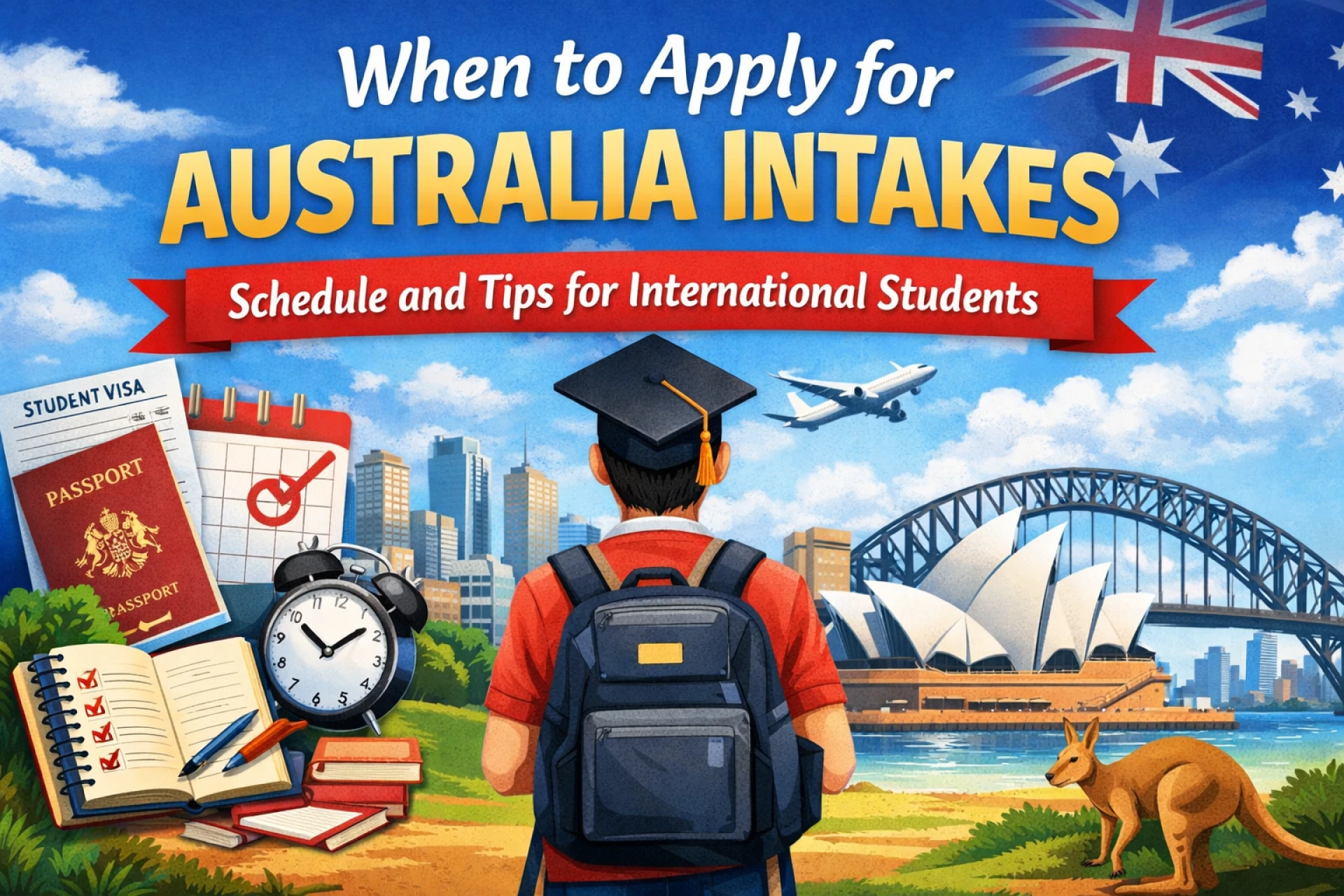

Australia is one of the most popular study destinations for international students, offering world-class education, diverse cultural experiences, and a high standard of living. For those planning to study in Australia, understanding the intake periods is crucial to ensure a smooth application process. In this guide, we’ll provide an overview of the Australia intakes, the best times to apply, and essential tips to help you navigate the application timeline and enhance your chances of securing a spot in your desired program.
Understanding Australia Intakes
Australia generally has two major intakes each year, although some universities may also offer additional options. These intakes are scheduled to coincide with the Australian academic year, ensuring that international students have ample time to prepare and settle in. The main intake periods are:
- February Intake (Semester 1)
The February intake is the most popular intake in Australia. It marks the beginning of the academic year, and most universities offer a broad range of courses, including undergraduate, postgraduate, and research programs. This intake is ideal for students who want to start their studies at the beginning of the academic year. For international students, February intake offers a fresh start, with opportunities to adjust to Australian life during the summer months before classes commence. It also allows students to attend orientation programs to familiarize themselves with the university, culture, and local environment. - July Intake (Semester 2)
The July intake is the second main intake in Australia. This intake is perfect for students who missed the February intake or those who want to plan their studies around the mid-year. The July intake generally has fewer course offerings than February, but many universities still offer a wide range of programs in various disciplines. While July intake students may miss out on the summer break before classes begin, they still get the benefit of joining the academic community during the second half of the year. - November Intake (limited options)
Some Australian institutions may offer a third intake in November. This intake is less common and typically only available for certain postgraduate or specialized programs. If you're considering applying for a November intake, it’s important to check with specific universities, as not all programs are available during this time.
While these are the primary intakes, there may also be additional options available depending on the institution or the specific course. Some universities might also offer a rolling intake system for certain short courses or specialized programs, but February and July remain the main intake periods.
When to Apply for Australia Intakes
Applying for Australia intakes requires careful planning, as the application deadlines vary by university and program. It’s essential to begin your research early to ensure that you meet the specific requirements and deadlines for your chosen program. Here’s a general timeline to help you plan your application process:
February Intake (Semester 1)
- Application Deadline: Typically, applications for the February intake close around October to November of the previous year. However, deadlines can vary by institution, so it’s crucial to check with the university of your choice.
- Recommended Application Time: Start your application process 6 to 12 months before the intake. This will give you enough time to prepare the necessary documents, apply for a student visa, and make arrangements for accommodation and travel.
- Important Considerations:
- Research university programs and courses as early as possible, ensuring you meet the prerequisites.
- Submit your application well before the deadline to avoid delays or last-minute issues.
- Apply for scholarships or financial aid early, as these can have their own deadlines.
July Intake (Semester 2)
- Application Deadline: For the July intake, applications generally close in April to May. Similar to the February intake, the specific deadline depends on the university and program.
- Recommended Application Time: Start your application process 6 months before the intake to ensure you have enough time for all preparations.
- Important Considerations:
- Check if the program you want to apply for is available in the July intake.
- If you missed the February intake, take advantage of this second chance to apply. It’s also a good time for students looking for mid-year entry.
- You may need additional time for document verification and visa approval, so apply early.
November Intake (Limited Options)
- Application Deadline: The application deadline for the November intake is usually August to September.
- Recommended Application Time: As the November intake is limited, apply at least 6 to 9 months ahead of time to make sure your application is considered.
- Important Considerations:
- Limited programs are available during the November intake, so check if your desired course is being offered.
- Be mindful of any special requirements or conditions that may apply to late-entry students.
Tips for Applying for Australia Intakes
Applying to study in Australia is an exciting yet detailed process. To help streamline your application, here are a few tips that can ensure a successful application for Australia intakes:
Start Early and Plan Ahead
One of the most important steps in applying for an Australia intake is to plan well in advance. Give yourself ample time to gather all required documents, research courses, and meet university deadlines. Ideally, start the application process 6 to 12 months before the desired intake. This allows you to accommodate any unforeseen delays, including visa processing times or document verification.
Choose the Right Course and University
Carefully research the programs offered by different universities to find the best fit for your goals, interests, and career plans. Australian universities offer a diverse range of courses, from arts and humanities to science and engineering, so it’s important to find one that matches your academic background and future aspirations.
If you're uncertain, reach out to the university's international student support services for guidance. It’s important to understand the course structure, entry requirements, fees, and any potential prerequisites.
Prepare Your Documents
Ensure that you have all the required documents ready before applying. This typically includes:
- Academic transcripts and certificates
- English proficiency test scores (e.g., IELTS, TOEFL)
- Curriculum Vitae (CV) or resume (for postgraduate programs)
- Statement of Purpose (SOP) or Personal Statement
- Letters of recommendation (if required)
- Passport copy
- Financial documents to prove you can support your studies in Australia
Take time to make sure each document meets the university’s guidelines. Incomplete or incorrect applications are often rejected.
Apply for Scholarships
Many Australian Universities offer scholarships to international students. These scholarships can help reduce tuition fees and living costs. Be sure to research scholarship opportunities early and apply as soon as possible, as some scholarships may have early application deadlines.
Stay on Top of Visa Requirements
Once you've been accepted to your desired university, the next step is to apply for a student visa. The visa process can take time, so start your application as soon as you receive your offer letter. Make sure to provide all required documents for visa approval, including proof of financial ability, acceptance into a course, and medical checks.
Plan Your Accommodation and Travel
Once your visa is approved, the next step is to plan your accommodation and travel to Australia. Many universities offer on-campus accommodation for international students, but you can also look for off-campus housing options. Make your travel arrangements early to ensure you can settle into your new home before classes begin.
Stay Informed
Australia’s educational system, visa requirements, and immigration policies may change over time. Stay up to date with any changes that could affect your application. Regularly check the official website of the university, as well as Australian government portals for the latest information.
Conclusion
When it comes to applying for Australia intakes, timely preparation is key. Whether you’re applying for the February or July intake, or even considering the less common November intake, following the application timelines and planning ahead will give you the best chance for a successful application. By starting early, choosing the right course, preparing your documents thoroughly, and staying informed about visa and accommodation requirements, you’ll be well on your way to studying in Australia and embarking on an exciting educational journey.





























Sign in to leave a comment.