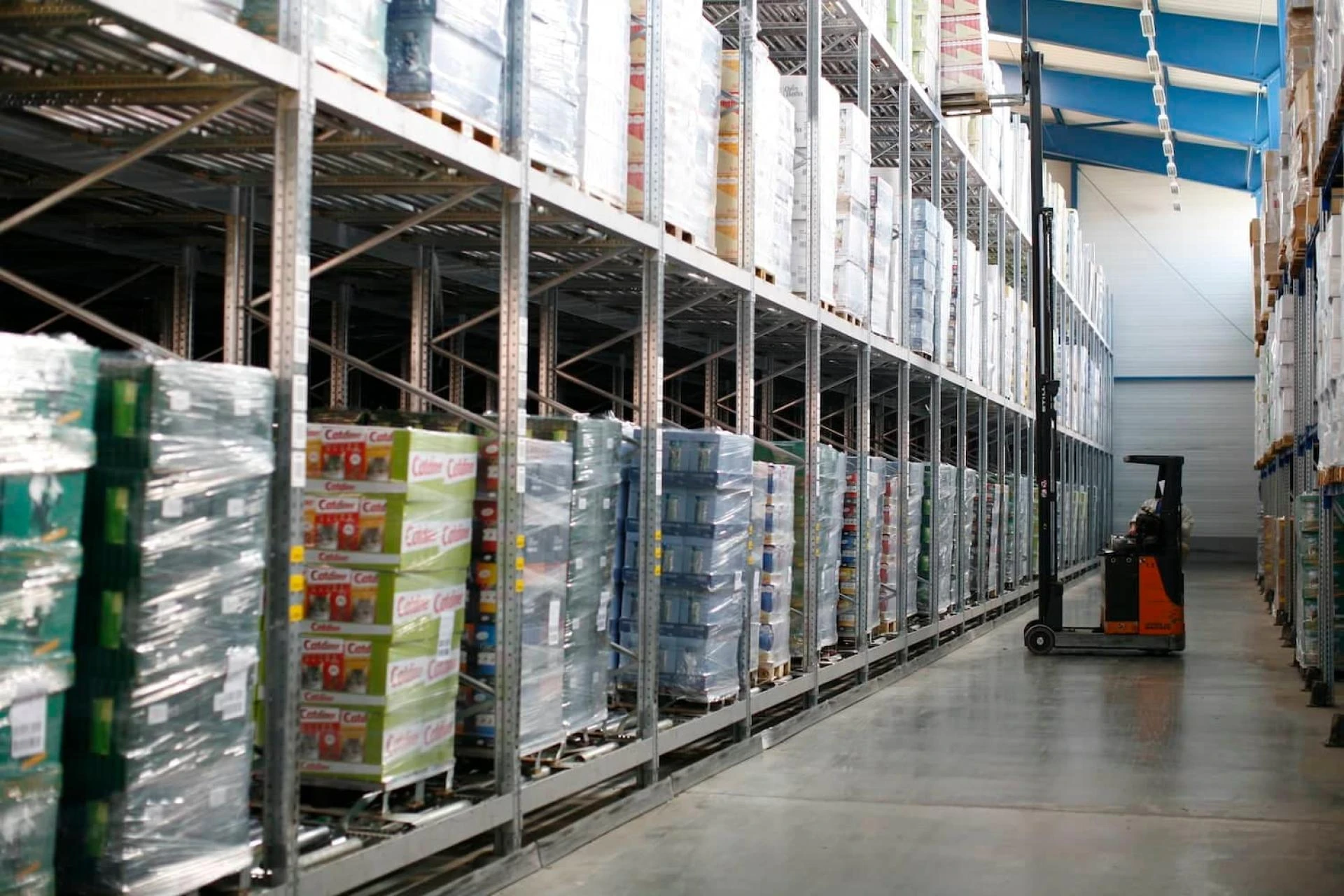

In the competitive landscape of modern warehousing, the efficiency of storage systems can significantly impact overall productivity and profitability. One innovative solution that has gained traction in recent years is push back pallet racking. This system allows for optimized storage capacity while maintaining ease of access to products. Understanding when to choose push back pallet racking is essential for businesses aiming to enhance their warehouse operations effectively.
What is Push Back Pallet Racking?
Push back pallet racking is a dynamic storage solution that utilizes gravity to facilitate the movement of pallets. This system comprises a series of inclined rails where pallets are loaded from the front. As new pallets are added, they push the existing pallets back along the rails, allowing for efficient use of space. When a pallet is needed, the first pallet is retrieved, and the remaining pallets roll forward, making access seamless and straightforward.
This racking system is particularly beneficial for warehouses dealing with high volumes of similar products, as it maximizes storage density while allowing for easy rotation of stock. Unlike traditional racking systems where each pallet requires direct access, push back pallet racking enables multiple pallets to be stored in a single lane, thereby increasing the overall storage capacity.
Key Advantages of Push Back Pallet Racking
Before deciding whether to implement push back pallet racking, it is essential to consider the advantages it offers over other storage solutions.
1. Maximized Storage Density
One of the primary benefits of push back pallet racking is its ability to maximize storage density. By utilizing the depth of the racking system, businesses can store more pallets in a smaller footprint. This increased density can be especially advantageous for warehouses with limited space, allowing for more efficient use of square footage.
2. Enhanced Accessibility
Push back pallet racking offers the advantage of easy accessibility. Unlike traditional drive-in racking systems, where operators must navigate through multiple pallets to reach the desired item, push back systems allow for straightforward retrieval. This ease of access can lead to faster picking times, enhancing overall operational efficiency within the warehouse.
3. Improved Inventory Management
The design of push back pallet racking supports effective inventory management practices. The system operates on a last-in, first-out (LIFO) basis, which is beneficial for items that do not have a strict expiration date. This method ensures that newer stock is pushed to the back, allowing older stock to be picked first. As a result, businesses can better manage inventory turnover and reduce the risk of obsolescence.
4. Versatility for Various Products
Push back pallet racking is versatile and can accommodate a wide range of products, including those that vary in size and weight. This adaptability makes it suitable for different industries, from food and beverage to manufacturing and retail. Businesses can tailor the racking system to meet their specific storage needs, providing a customized solution for their inventory.
When to Choose Push Back Pallet Racking
While push back pallet racking offers numerous benefits, it is not the ideal solution for every warehouse situation. Here are key scenarios in which businesses should consider implementing this type of racking system.
1. High Volume of Similar Products
For warehouses that manage a high volume of similar products, push back pallet racking can be an excellent choice. The system allows businesses to store multiple pallets of the same SKU in a single lane, maximizing space while maintaining efficient access. This is particularly advantageous for businesses that experience fluctuating demand for certain products.
2. Limited Floor Space
In warehouses where floor space is at a premium, push back pallet racking can significantly enhance storage capacity. By utilizing vertical space effectively, businesses can store more products without the need for additional square footage. This is especially important for companies that may be constrained by their physical location or budget limitations.
3. Need for Efficient Picking Operations
If a warehouse requires quick and efficient picking operations, push back pallet racking is an ideal solution. The ease of access and straightforward retrieval process allows operators to quickly locate and pick items, reducing the time spent on order fulfillment. This efficiency can lead to improved customer satisfaction by ensuring timely deliveries.
4. Seasonal Fluctuations in Inventory
For businesses that experience seasonal fluctuations in inventory, push back pallet racking can provide the flexibility needed to accommodate these changes. During peak seasons, businesses can maximize storage capacity for increased stock levels, while during slower periods, the system can easily adapt to lower inventory requirements. This adaptability allows for better inventory management throughout the year.
5. Improved Safety Measures
Safety is a crucial consideration for any warehouse operation. Push back pallet racking can enhance safety by reducing the need for operators to navigate through narrow aisles filled with pallets. The streamlined design minimizes the risk of accidents and product damage, promoting a safer working environment for employees.
Implementation Considerations
Before implementing a push back pallet racking system, businesses should consider the following factors to ensure successful integration:
1. Warehouse Layout
Evaluating the existing warehouse layout is essential when planning for push back pallet racking. Businesses should consider aisle widths, ceiling heights, and overall space availability to determine the optimal configuration for the racking system. A well-thought-out layout can enhance operational efficiency and facilitate seamless movement within the warehouse.
2. Load Capacity and Stability
Understanding the load capacity and stability requirements of the push back pallet racking system is crucial. Businesses should assess the weights of the products to be stored and ensure that the racking system is designed to handle the expected loads safely. Consulting with experts can provide valuable insights into selecting the appropriate materials and configurations.
3. Staff Training and Safety Protocols
Once the push back pallet racking system is installed, it is essential to provide staff training on its use and safety protocols. Employees should be knowledgeable about the proper handling of products, as well as the maintenance and inspection of the racking system. A well-trained workforce can significantly enhance safety and efficiency within the warehouse.
Conclusion
Choosing the right racking system can have a profound impact on the efficiency and productivity of a warehouse. Push back pallet racking offers numerous advantages, including maximized storage density, enhanced accessibility, and improved inventory management. By considering factors such as product volume, available space, and operational needs, businesses can determine if this system is the right fit for their warehouse.
For those seeking expert guidance in implementing effective storage solutions, consulting with professionals can provide invaluable insights. Dalvie Systems specializes in designing and installing tailored racking systems, including push back pallet racking, to enhance warehouse efficiency and productivity. By partnering with experienced providers, businesses can transform their warehouse operations and achieve optimal results.


























Sign in to leave a comment.