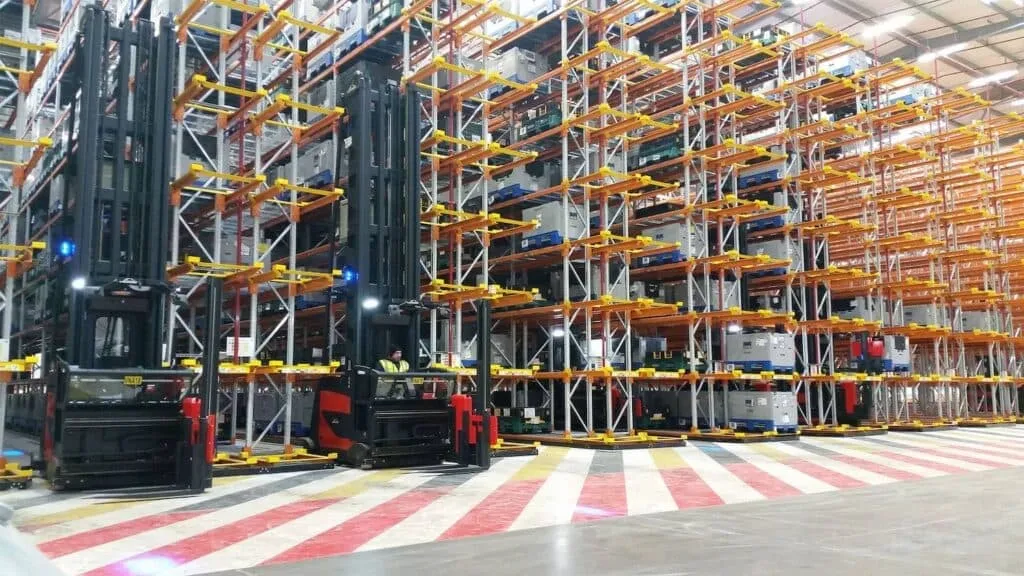

Warehouses play a vital role in modern supply chains, serving as central hubs for inventory storage and distribution. As businesses expand and stock volumes increase, the challenge of maximising available space becomes more important than ever. One highly effective solution for addressing this challenge is the drive in pallet racking system, which enables warehouses to store large quantities of inventory within a smaller footprint. By reducing aisle space and increasing storage density, this system helps organisations improve efficiency, support growth, and make better use of their existing warehouse facilities.
Understanding a Drive In Pallet Racking System
Warehouse storage systems directly influence operational efficiency, inventory management, and overall productivity. A drive in pallet racking system is designed to maximise storage capacity by allowing forklifts to enter storage lanes and place pallets directly onto support rails. Unlike conventional racking layouts that require multiple access aisles, this approach significantly reduces unused space. The result is a high density storage environment that enables businesses to accommodate larger inventory volumes while maintaining organised warehouse operations.
How the System Operates
The system consists of a series of storage lanes where pallets are stored one behind another. Forklift operators drive directly into the lanes to load and retrieve inventory. This arrangement allows multiple pallets of the same product to be stored within a single lane, increasing storage density and reducing the amount of floor space required for aisles. By optimising the warehouse layout, businesses can improve capacity while maintaining effective inventory handling procedures.
Industries That Benefit Most
Many industries rely on high density storage solutions to manage large inventory volumes efficiently. Manufacturing facilities, distribution centres, food storage operations, and retail warehouses often utilise this system because it supports bulk storage and efficient space utilisation. Warehouses that handle substantial quantities of similar products frequently achieve the greatest benefits, as the storage configuration is particularly effective for managing large product batches.
Maximising Warehouse Space Efficiency
One of the primary goals of warehouse management is to maximise the use of available space. As inventory grows, businesses must find ways to increase storage capacity without immediately investing in larger facilities. High density storage systems provide an effective strategy for achieving this objective while maintaining operational efficiency.
Reducing Aisle Requirements
Traditional storage systems require numerous aisles to provide direct access to every pallet position. While this arrangement offers convenience, it can limit storage capacity. A drive in pallet racking system reduces the number of aisles needed by allowing forklifts to enter storage lanes directly. This design creates additional room for inventory storage, enabling warehouses to maximise capacity within their existing footprint.
Increasing Storage Density
Storage density refers to the amount of inventory that can be stored within a given area. By minimising aisle space and maximising pallet positions, this storage system significantly increases density. Higher storage density enables businesses to accommodate larger stock volumes without expanding their facilities. This efficient use of space helps organisations respond to increasing demand while maintaining cost effective warehouse operations.
Supporting Inventory Growth
Growing businesses often face increasing inventory requirements as product ranges expand and customer demand rises. Warehouses must be capable of storing larger quantities of stock while maintaining efficient workflows. High density storage systems provide the flexibility needed to support this growth effectively.
Accommodating Larger Stock Levels
Many organisations maintain substantial inventory reserves to ensure product availability and minimise supply chain disruptions. A storage system designed for bulk inventory storage allows warehouses to accommodate larger stock levels within the same facility. This increased capacity supports operational continuity and enables businesses to meet customer expectations more effectively.
Preparing for Future Expansion
Long term growth requires storage solutions that can adapt to changing business needs. By maximising available warehouse space, organisations can create additional capacity for future inventory growth without making immediate investments in facility expansion. This flexibility helps businesses remain agile and prepared for evolving market conditions.
Enhancing Warehouse Productivity
Efficient storage systems contribute directly to warehouse productivity. A well organised warehouse layout improves workflow, reduces handling times, and supports faster inventory movement. These benefits help businesses achieve greater operational efficiency and improve overall performance.
Streamlining Material Handling
Material handling activities account for a significant portion of warehouse operations. Organised storage lanes allow forklift operators to move inventory more efficiently, reducing travel distances and minimising unnecessary movement. Streamlined material handling processes contribute to higher productivity levels and help warehouses maintain smooth daily operations.
Supporting Faster Inventory Movement
Efficient inventory movement is essential for maintaining warehouse performance. A structured storage environment enables products to be stored and retrieved systematically, reducing delays and improving workflow consistency. Faster inventory movement supports timely order processing and contributes to better customer service outcomes.
Financial Benefits of Improved Space Utilisation
Warehouse expansion projects can require substantial financial investment. Increasing storage capacity within an existing facility provides a more cost effective alternative. By making better use of available space, businesses can achieve significant financial advantages while supporting operational growth.
Delaying Facility Expansion Costs
Constructing new warehouses or expanding existing buildings often involves considerable expense and operational disruption. By improving storage density, businesses can postpone these investments while still accommodating growing inventory levels. This approach helps preserve capital and allows organisations to focus resources on other strategic priorities.
Maximising Return on Existing Infrastructure
Warehouse facilities represent a major investment for most organisations. Improving storage efficiency enables businesses to achieve greater value from their existing infrastructure. By storing more inventory within the same building, organisations can improve asset utilisation and enhance overall operational performance.
Key Factors to Consider Before Implementation
Successful implementation of a storage system requires careful planning and evaluation. Businesses should assess inventory characteristics, warehouse layouts, and operational requirements before selecting a storage solution. Proper preparation helps ensure that the chosen system delivers maximum value.
Evaluating Inventory Profiles
Not all products are equally suited to high density storage environments. Warehouses should analyse stock turnover rates, inventory volumes, and product characteristics before implementation. Products stored in larger quantities often benefit most from this type of storage arrangement. Understanding inventory profiles helps businesses create effective storage strategies that support operational goals.
Assessing Equipment Compatibility
The effectiveness of a storage system depends on the compatibility of material handling equipment. Forklifts used within storage lanes must be capable of operating safely and efficiently within the available space. Businesses should evaluate equipment requirements, operator training needs, and maintenance considerations as part of the planning process.
Maintaining Safety and Operational Reliability
Safety remains a critical priority in every warehouse environment. Proper installation, regular inspections, and ongoing maintenance help ensure reliable system performance while protecting employees and inventory. A proactive approach to safety contributes to long term operational success.
Conducting Regular System Inspections
Routine inspections help identify structural concerns, wear, or damage before they affect warehouse operations. Establishing inspection schedules allows businesses to address issues promptly and maintain system integrity. Regular monitoring supports safer working conditions and helps extend the lifespan of storage infrastructure.
Training Employees Effectively
Warehouse personnel should receive comprehensive training on equipment operation, storage procedures, and workplace safety practices. Well trained employees are better prepared to operate efficiently while reducing the risk of accidents or inventory damage. Ongoing training programmes help reinforce best practices and support consistent operational performance.
Conclusion
A drive in pallet racking system is an excellent solution for businesses seeking to improve warehouse space utilisation and increase storage capacity. By reducing aisle requirements, enhancing storage density, and supporting efficient inventory management, this system helps organisations maximise the value of their existing facilities. When implemented with careful planning and supported by strong safety practices, it can deliver substantial operational and financial benefits. Businesses looking to optimise warehouse performance and prepare for future growth can rely on the expertise and support of Dalvie Systems.



























Sign in to leave a comment.