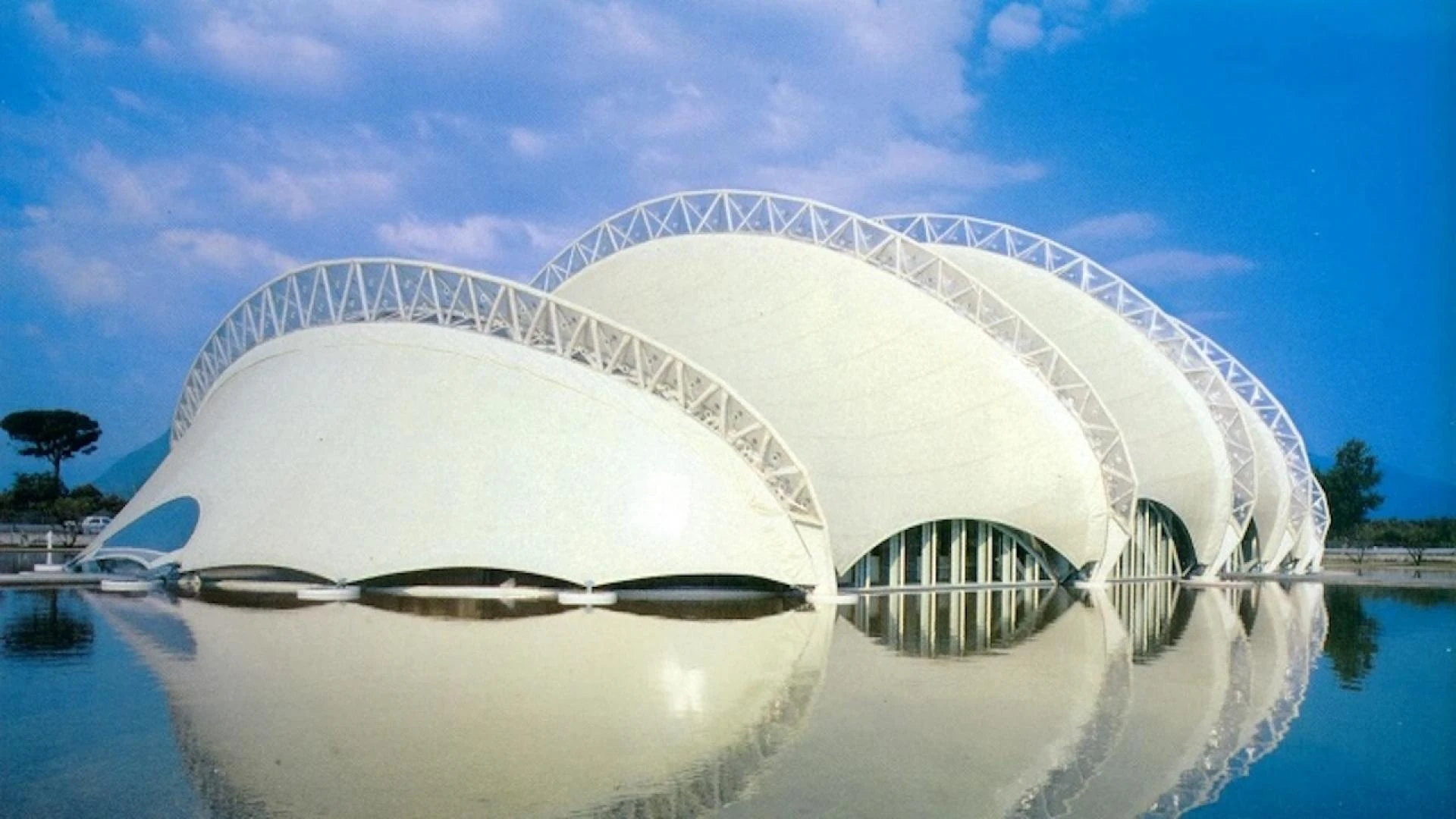

Temporary fabric building structures are engineered buildings made of a rigid frame covered with a tensioned fabric membrane. They provide useful interior space for storage, operations, shelter, or workspace without the long lead times and material demands of traditional construction. These structures are used widely across commercial, industrial, and project-based environments and can be a practical choice when space needs are time-sensitive, flexible, or transitional.
What Temporary Fabric Building Structures Are
Temporary fabric building structures consist of a structural framework — typically steel or aluminum — with a durable membrane stretched over it. This fabric covering serves as the enclosure, while the frame supports loads such as wind and snow. These buildings differ from simple tents because they are engineered for performance, can be anchored to a variety of surfaces, and are often designed to meet applicable safety and load standards.
Although termed “temporary,” these structures may remain in place for extended periods as project needs dictate. Their design can make them suitable for uses ranging from short-term shelters to longer-lasting operational facilities when configured appropriately.
Faster Space Creation for Time-Sensitive Projects
A key reason organizations consider temporary fabric building structures is the ability to deploy them relatively quickly compared with conventional construction. Fabric buildings often require less on-site work and smaller crews for installation, which may allow them to be erected in a significantly shorter timeframe — sometimes within days or weeks — depending on size and site conditions.
This efficiency can be particularly valuable when projects have tight schedules or need interim space while a permanent facility is planned and built. For example, construction camps, temporary warehouses, and seasonal operations can benefit from rapid setup.
Cost-Aware Space Solutions
Temporary fabric buildings may offer cost-aware space solutions, especially when compared with traditional construction. Fabric structures generally use fewer raw materials and involve simpler on-site assembly, which can reduce labor and material costs. Their lighter structural components may also require less extensive groundwork or foundation work in many cases.
Cost outcomes vary based on project specifics such as size, site preparation, climate requirements, and customization needs, so it’s important to assess total project costs rather than assume universal savings.
Flexibility for Changing Space Requirements
Many temporary fabric buildings are designed for adaptability. They can be sized and configured to fit a range of space needs, and some are engineered to be relocated if project requirements change. This flexibility can be useful for organizations that operate across multiple sites, pursue dynamic project schedules, or expect future changes to facility demands.
For example, a fabric structure used temporarily on one job site might be taken down and reassembled at another when work shifts. This is one reason these buildings are popular in industries such as construction and equipment storage.
Suitability for Varied Surfaces and Locations
Fabric building structures often require less extensive site work than conventional buildings, making them usable on a variety of surfaces including asphalt, gravel, and compacted earth without a traditional foundation. Specialized anchoring systems can secure the building depending on ground conditions, and this flexibility can help reduce disruption and preparation time.
This compatibility with diverse surfaces expands the potential use cases for temporary fabric buildings — from paved industrial yards to rural sites where permanent foundations are not practical.
Common Use Cases for Temporary Fabric Buildings
Temporary fabric buildings serve a wide array of applications across industries. They are often used as temporary storage for overflow inventory, protected cover for equipment, on-site work areas for crews, or shelters for seasonal or project-based needs. Their adaptability makes them useful for logistics operations, construction staging areas, agricultural storage, and other scenarios where space needs are transitional.
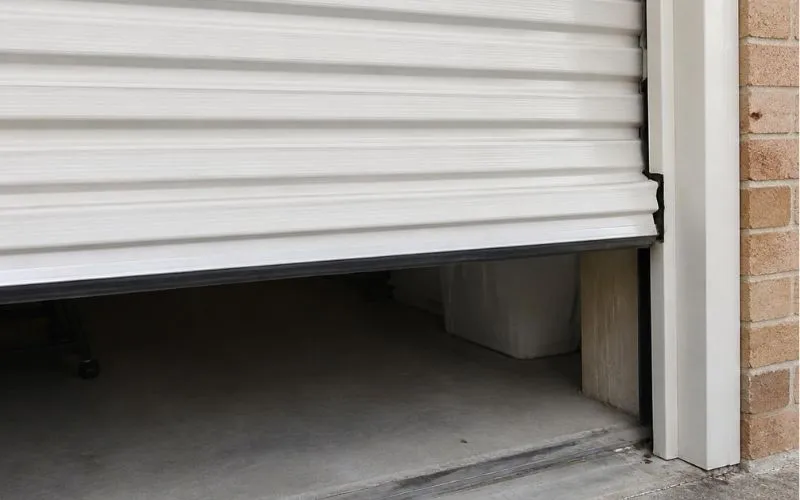
These structures can also be outfitted with functional accessories such as roll-up doors, lighting, and partitioning to support specific operational requirements.
Customization and Functional Options
Although designed for flexibility, temporary fabric buildings can be customized to support a range of functional needs. Manufacturers often offer configurations with integrated doors, optional insulation, lighting, climate control systems, and partitioning, enabling the structures to support specific environments and activities.
This level of customization can make fabric structures suitable for uses that extend beyond simple shelters — including temporary workshops, seasonal offices, or protected workspaces.
Regulatory and Compliance Considerations
Even when intended for temporary use, fabric building structures may still be subject to local building codes, zoning ordinances, and safety standards in the United States. Depending on the duration of use, occupancy type, and local jurisdiction, permits may be necessary, and structures may need to meet requirements for wind loads, snow loads, or fire safety.
Early engagement with local permitting authorities and qualified engineers helps clarify regulatory requirements and avoid potential compliance issues before installation.
Relocation, Reuse, and Lifecycle Considerations
Some temporary fabric buildings can be disassembled and relocated to a new site, offering the potential to extend their usefulness beyond a single project. Relocation, resale, or reuse may help organizations manage space needs without incurring the greater costs of new construction each time.
However, relocation processes can vary by design and structure size, and transporting large buildings may involve additional logistical planning.
Conclusion
Temporary fabric building structures are a practical space solution when speed of deployment, flexibility, adaptability to site conditions, and cost-aware design are priorities. They offer a range of potential applications from short-term storage and project support to interim operational facilities, and can be customized to meet specific functional requirements.
When evaluating whether a temporary fabric building is the right choice, consider project timelines, site conditions, regulatory requirements, customization needs, and potential future use. Thoughtful planning and professional consultation help ensure that the selected structure aligns with operational needs and delivers the best value for your space solution.

























Sign in to leave a comment.