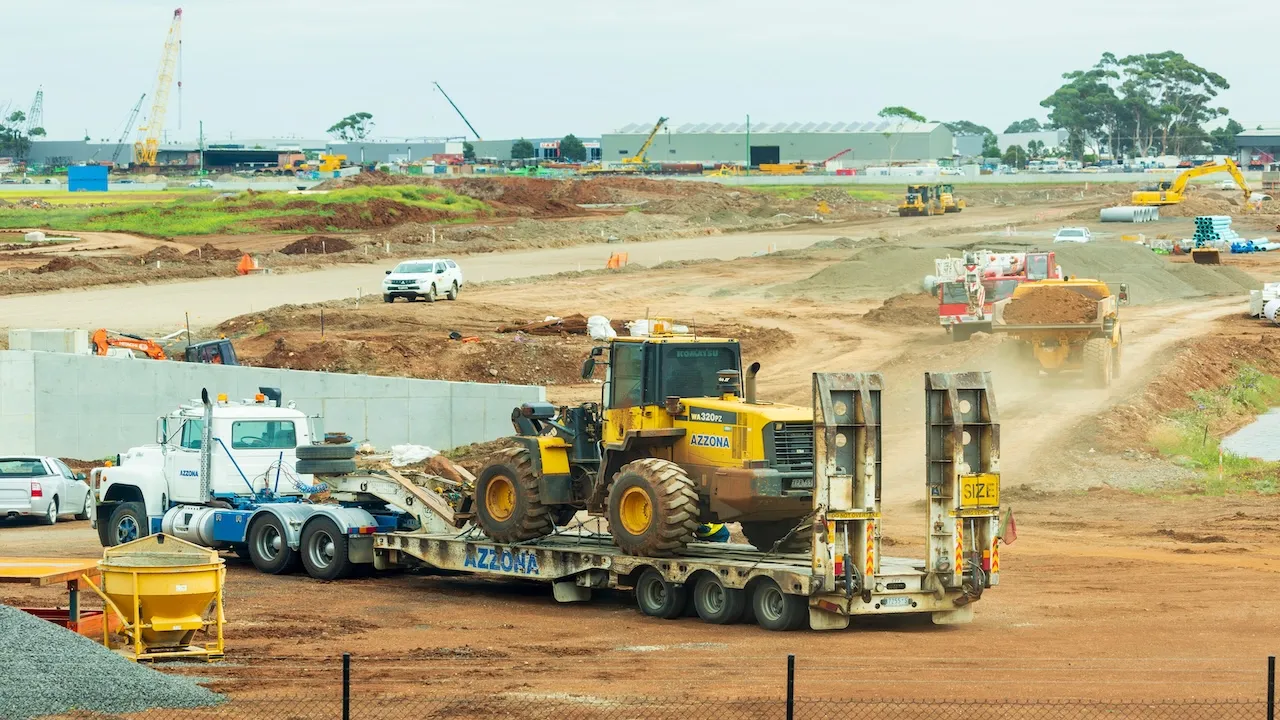

Material handling equipment plays a central role in construction, warehousing, distribution, manufacturing, and industrial operations across Canada. From forklifts and telehandlers to pallet jacks and other lifting solutions, the right equipment can help teams move materials safely and keep projects on schedule. The challenge for many businesses is deciding whether it makes more sense to rent equipment as needed or invest in a fleet of their own.
There is no single answer that fits every operation. The better choice usually depends on how often the equipment is used, the type of work being done, available capital, storage capacity, maintenance resources, and how quickly business needs may change. Understanding these factors can help companies make a more practical and cost-aware decision.
How usage frequency shapes the decision
One of the clearest factors in the rent-versus-buy decision is how often the equipment will actually be used. If a business only needs a forklift, telehandler, or other material handling machine for short-term work, seasonal demand, or occasional peak periods, renting often makes more sense. It can reduce the need for a large upfront purchase while still giving access to the equipment required for the job.
Owning tends to become more appealing when the same type of equipment is used regularly and predictably over a long period. A company with daily warehouse operations, repeated lifting needs, or a stable production environment may benefit from having equipment available on-site at all times. In that case, ownership can offer more direct control over scheduling and availability.
The key is to look at real usage patterns rather than assumptions. Some businesses believe they need a full fleet because equipment is important to operations, but the actual usage may vary widely month to month. Reviewing project schedules, labour patterns, and peak demand periods can make the decision more grounded.
When renting makes practical sense
Renting material handling equipment is often a strong option when flexibility matters more than permanent ownership. This can apply to contractors managing temporary projects, facilities handling short-term surges in activity, or businesses testing a new workflow before making a long-term commitment.
Rental can also be useful when the job requires a specific machine that is not part of the company’s usual operations. For example, a team may need a telehandler for a particular project, a rough-terrain forklift for an outdoor site, or a higher-capacity lift for a limited period. Renting allows the business to match the equipment to the task without expanding its permanent fleet.
Another common reason to rent is speed. If a machine is needed quickly, rental providers may be able to deliver equipment to the job site without the delays that can come with procurement, financing, and internal fleet planning. For businesses operating across Ontario or other active regional markets in Canada, this can help support project timelines when demand changes unexpectedly.
When ownership may offer better long-term value
Investing in your own fleet may be a better fit when equipment is central to daily operations and consistently in use. A company that relies on forklifts or other material handling equipment every day may find that ownership offers more stability over time.
Ownership can also make sense for businesses that want tighter control over equipment availability, operator familiarity, and internal maintenance planning. Having your own fleet means machines can be assigned, stored, and managed according to your own schedule. That can be useful for operations with fixed routes, repeatable material flows, or large facilities that need dedicated equipment on-site.
In some cases, ownership may also support brand or process consistency. Teams that use the same machines regularly may become more efficient with familiar controls, attachments, and site-specific setups. Still, this only works well when the business is prepared for the costs and responsibilities that come with fleet ownership.
Looking beyond the purchase price
The purchase price is important, but it should not be the only number in the decision. Buying equipment comes with a broader cost picture that may include financing, maintenance, inspections, parts, storage, transportation, insurance, and eventual replacement planning.
Renting has its own cost structure as well, including rental rates, delivery, protection fees, and contract terms. Even so, rental may still be the more manageable choice for businesses that want to avoid tying up capital in equipment that is not used every day.
A useful way to think about the decision is total cost of use rather than sticker price. If owned equipment spends a large part of the year parked and unused, the business may be carrying costs without getting enough operational return. On the other hand, if rented equipment is needed constantly, repeated rental charges may start to outweigh the benefits of flexibility.
Maintenance, inspections, and downtime planning
Maintenance is one of the biggest differences between renting and owning. With an owned fleet, the business is responsible for keeping equipment in working condition, planning inspections, arranging repairs, and making sure machines remain ready for use. That requires time, internal systems, and often access to trained technicians or service partners.
For some companies, this is manageable because they already have fleet processes in place. For others, maintenance can become a hidden burden that affects uptime and labour planning. A machine that is unavailable during a busy period can create costly disruptions, especially when there is no backup equipment on-site.
Renting can reduce some of that pressure because the provider typically handles servicing and fleet readiness before the machine reaches the customer. This may be especially helpful for businesses that want access to equipment without building an internal maintenance program around it.
Flexibility for changing business needs
Business needs rarely stay fixed for long. Project size, site conditions, staffing levels, and customer demand can change throughout the year. Renting gives businesses the ability to scale equipment needs up or down without reshaping their balance sheet around permanent assets.
This flexibility can be valuable for growing companies that are still learning what their long-term equipment needs will be. It can also help organizations respond to one-off projects, busy seasons, or temporary contracts without overcommitting to machines they may not need later.
Ownership offers less flexibility, but it may still be the right choice for mature operations with stable demand and clear long-term equipment planning. The decision often comes down to whether the business values adaptability more than permanent control.
Safety, training, and the right equipment fit
Whether equipment is rented or owned, safety remains a core consideration. Operators should be trained appropriately for the machines they use, and equipment should be selected based on the actual environment and lifting requirements of the job.
This matters because the wrong machine can affect both productivity and site safety. For example, indoor operations may need electric equipment suited to tighter spaces, while outdoor or uneven terrain may call for more specialized lifting solutions. Renting can make it easier to choose different machines for different jobs, while ownership works best when the same type of equipment fits the operation consistently.
The decision should not be based only on cost. It should also reflect whether the equipment type, capacity, and operating conditions are a strong match for the work being done.
Choosing the right approach for your operation
In practice, many Canadian businesses do not choose one option exclusively. A blended approach is often the most practical. A company may own core equipment that is used every day and rent additional machines when project volume increases or specialized equipment is needed.
This approach can help balance stability with flexibility. Owned machines cover the predictable side of operations, while rentals support temporary demand, seasonal changes, and specialized requirements. For many businesses, this is a more realistic strategy than trying to fully commit to either renting or owning in every situation.
The best decision usually comes from reviewing usage patterns, project timelines, internal maintenance capacity, and cash flow priorities. A fleet decision should support how the business actually operates, not just how it hopes to operate in the future.
Conclusion
Deciding when to rent material handling equipment versus investing in your own fleet is largely a question of usage, cost structure, flexibility, and operational readiness. Renting often suits short-term needs, variable demand, specialized projects, and businesses that want to avoid the full responsibilities of ownership. Buying may be a stronger fit for operations that rely on the same equipment every day and have the systems in place to manage maintenance and long-term fleet planning.
For many businesses in Canada, the most effective answer is not strictly one or the other. A balanced strategy that combines owned equipment with rental support can provide both consistency and adaptability. By focusing on real usage, total cost, and jobsite requirements, companies can make a decision that fits their operations more confidently and sustainably.


























Sign in to leave a comment.