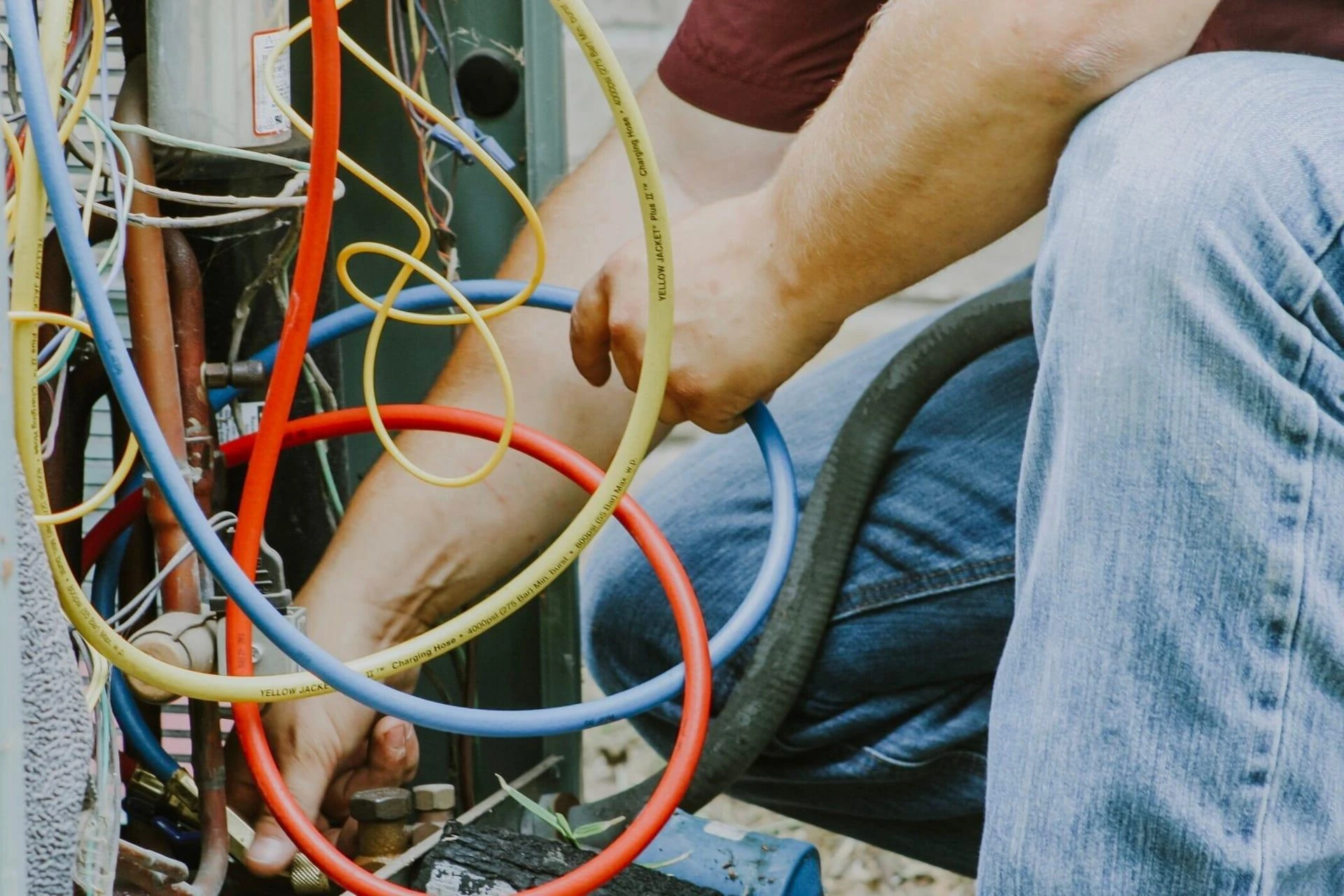

Air conditioning systems are vital for ensuring comfort in homes and businesses, but determining whether to fix or replace a malfunctioning unit can be a tough decision. Recognizing key signs like declining efficiency, rising costs, and wear can simplify this process. Both residential and commercial property owners face this common challenge, and making the right choice can save significant money while improving system performance. Deciding when to opt for professional AC repair or invest in a new system is crucial for maintaining dependable cooling.
When AC Repairs Are the Best Option
Experienced HVAC professionals frequently encounter situations where targeted repairs effectively resolve issues, helping owners save both time and expense. For instance, a small office building with an AC system blowing warm air regained optimal performance after a clogged filter and worn capacitor were replaced. This straightforward, low-cost solution added years to the system’s life. Similar scenarios often occur with residential units as well.
Indicators that suggest AC repair is the right solution include:
- Small issues such as clogged filters, refrigerant leaks, or minor thermostat problems.
- Unusual noises or odors that develop suddenly but are not persistent.
- Noticeable increases in energy bills caused by specific issues, like a dirty condenser coil.
Quickly addressing these symptoms through professional repairs can restore functionality and efficiency without major costs.
When a Replacement Becomes Necessary
There are situations where even thorough repairs fail to address the deeper issues of aging or deteriorating systems. For example, consider a homeowner with an aging AC unit that consistently needed servicing. Despite multiple fixes, the system regularly failed to cool effectively, leading to higher costs and frustration. In these cases, replacement is often a more practical choice.
Signs indicating that replacement may be the smarter move include:
- Systems exceeding 10-15 years of age, as older units lose efficiency.
- Frequent repair needs that add up to more than 50% of the replacement cost.
- Elevated energy bills that persist despite routine maintenance and tune-ups.
Replacing an old system can resolve recurring problems and significantly enhance comfort and efficiency.
Critical Factors in Repair vs. Replacement Decisions
Key elements like age, expenses, and efficiency play an essential role when deciding between repair and replacement. Older systems nearing the end of their lifecycle often lose effectiveness and require more frequent attention. Upgrading to a modern, energy-efficient model can yield substantial long-term savings and improved performance.
To ensure an informed decision, evaluate these factors:
- System Age: Most AC units have a lifespan of 10-15 years, depending on care.
- Repair Costs: When repair expenses exceed 30-50% of replacement costs, upgrading is often more economical.
- Energy Efficiency: High SEER (Seasonal Energy Efficiency Ratio) ratings in newer systems lower energy use and costs.
Consulting with an HVAC specialist ensures these considerations are accurately assessed.
Breaking Down Costs: Repairs Versus Replacement
Cost analysis is a vital aspect of deciding between repair and replacement. A simple repair like replacing a capacitor may cost $200, while installing a new AC system ranges between $5,000 and $12,000 depending on size and type. However, newer units often deliver superior efficiency, leading to lower energy costs that make the investment worthwhile over time.
For better understanding, here are key points:
- Repair costs generally range from $150 to $1,000 based on the problem.
- Upgrading to a new system can reduce energy expenses by up to 30%, according to Energy.gov.
- Rebates and incentives for energy-efficient systems can further offset initial expenses.
Working closely with an experienced HVAC technician can clarify financial trade-offs and options.
Advantages of Installing a Modern AC System
Upgrading to a new air conditioning system offers benefits beyond reliable cooling. Modern systems use advanced technology to deliver consistent performance while reducing energy consumption and improving indoor air quality. Enhanced filtration in newer systems, for example, significantly reduces allergens and pollutants in the air.
Key benefits of a replacement include:
- Better Comfort: Newer models ensure even cooling across homes and businesses.
- Energy Efficiency: High SEER ratings provide noticeable reductions in energy costs.
- Reliability: Modern systems eliminate frequent failures and emergency repair expenses.
A new system is a long-term investment in comfort and efficiency that reduces operational costs.
Partnering With Trusted AC Professionals
Selecting a dependable HVAC provider is essential for making the right decision between repair and replacement. Experienced technicians can thoroughly inspect the system, offer tailored recommendations, and ensure repairs or installations are done correctly. Reputable companies often provide detailed evaluations to help clients make well-informed choices.
To select a reliable HVAC professional:
- Verify certifications and proper licensing.
- Review customer feedback and testimonials.
- Inquire about warranties and service guarantees.
Teaming up with a skilled technician ensures your AC system operates smoothly and efficiently.
Key Insights on Repairing or Replacing AC Systems
Deciding between repairing and replacing an air conditioning system involves weighing factors such as age, costs, and efficiency. Prompt attention to minor issues can prevent more significant breakdowns, but replacing an older, less efficient system often delivers better value and improved comfort. Consulting a professional HVAC provider ensures you receive expert guidance and quality service.
Key Takeaways for AC Systems:
- Opt for repairs when addressing minor issues with newer systems.
- Replacement is more practical for aging or frequently failing systems.
- Professional assessments help determine the most cost-effective and efficient choice.
Common Questions About AC Repairs and Replacements
- What signs indicate an AC system needs repair or replacement?
- Look for frequent breakdowns, reduced cooling performance, or consistently rising energy bills. A professional inspection can confirm the best solution.
- How much does it cost to repair an AC system?
- Repair costs typically range from $150 to $1,000 depending on the issue. More extensive repairs may be higher, but they’re usually less expensive than replacements.
- When should a homeowner replace their AC unit?
- Replacement is recommended when a system is over 10-15 years old, or repair costs exceed 50% of the replacement cost.
- What steps can improve an existing AC system’s efficiency?
- Regular maintenance, cleaning or replacing filters, and checking refrigerant levels are simple yet effective ways to optimize performance.
- What benefits do energy-efficient AC systems provide?
- These systems offer lower utility bills, better cooling performance, and often qualify for financial rebates or incentives.
By evaluating your AC system’s condition carefully and consulting trusted professionals, you can maintain a cool, energy-efficient environment year-round.

























Sign in to leave a comment.