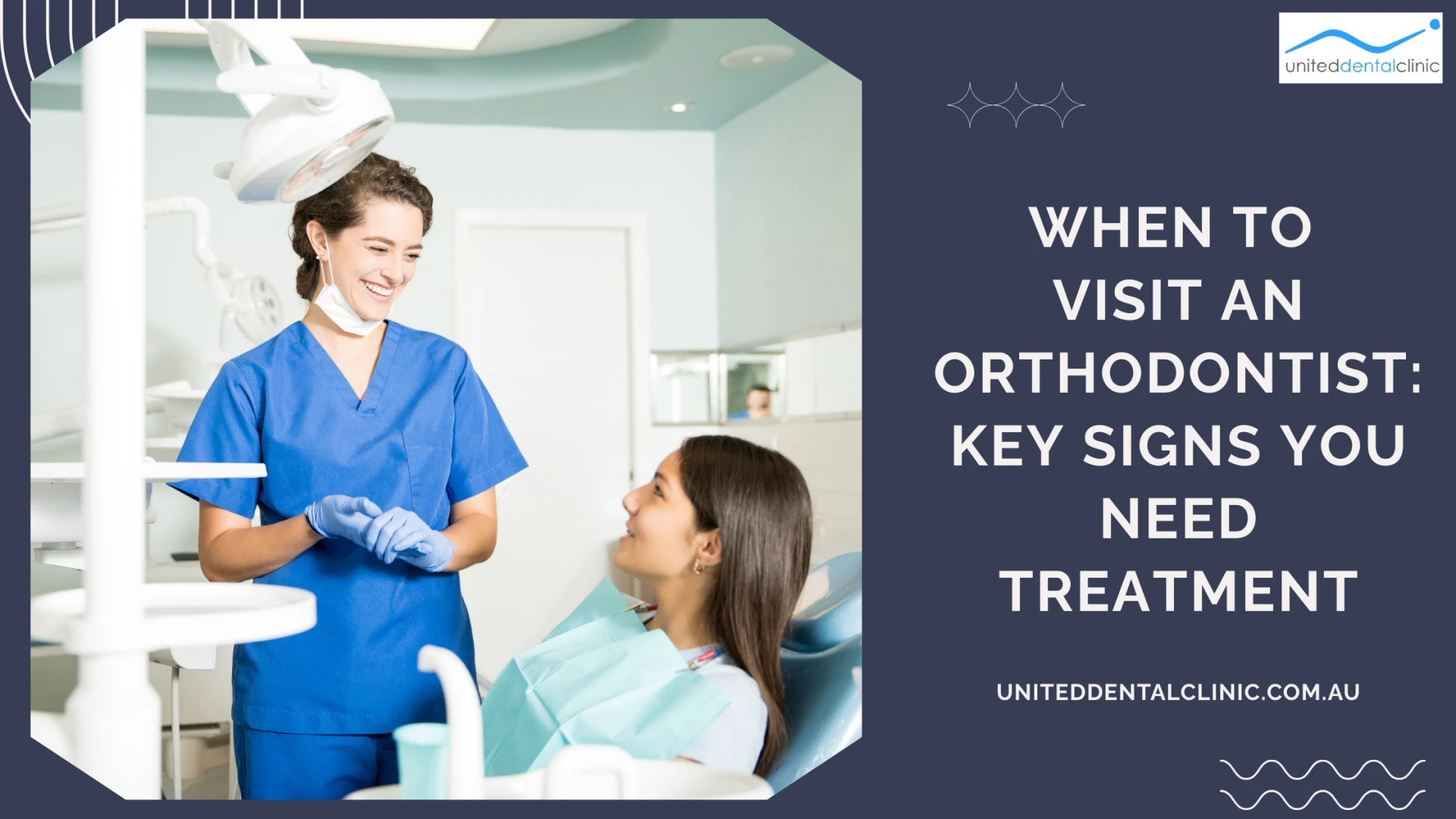

Orthodontic treatment can transform smiles, improve oral health, and boost confidence. But how do you know when it’s time to consult an orthodontist?
Recognising the signs that you or your child may need orthodontic care is essential for addressing dental issues early and achieving optimal results.
When you visit a Family Dentist in Warriewood, understanding these signs can guide you toward timely intervention. Here’s a detailed look at the indicators that suggest it’s time to schedule a dental appointment with an orthodontist.
1. Crowded or Misaligned Teeth
One of the most noticeable signs that orthodontic dental treatment may be necessary is crowded or misaligned teeth. When teeth overlap, twist, or don’t have enough space to grow properly, it can lead to aesthetic concerns and functional issues.
Crowding makes it difficult to clean teeth effectively, increasing the chances of getting cavities and gum disorders.
A regular Dental Checkup and Cleaning may help identify crowding. In such cases, your dentist can recommend a referral to an orthodontist for braces, clear aligners, or other solutions to straighten teeth and create a healthier smile.
2. Gaps Between Teeth
While some people embrace gaps between their teeth as a unique feature, large or uneven spaces can sometimes indicate a need for orthodontic care.
Gaps may result from missing teeth, small teeth, or jaw discrepancies. These spaces can affect your bite and make chewing less efficient.
A Northern Beaches Dentist can assess whether these gaps require orthodontic intervention to improve alignment and function, ensuring your smile is both beautiful and practical.
3. Bite Problems
Bite issues, such as overbites, crossbites, underbites, or open bites, are common reasons to seek orthodontic treatment.
These conditions can cause jaw pain, difficulty chewing, and even speech problems. If your Family Dentist in Warriewood notices bite irregularities during a checkup, they may suggest consulting an orthodontist to correct these issues before they lead to more serious complications.
4. Jaw Pain or Discomfort
Persistent jaw pain, clicking, or discomfort when chewing or speaking could indicate a misalignment that requires orthodontic attention.
These symptoms may stem from temporomandibular joint (TMJ) disorders, often linked to bite problems or uneven jaw growth.
In some cases, orthodontic treatment, combined with other dental care, can alleviate these issues. If you experience sudden or severe jaw pain, you may need Emergency Dental Services to rule out acute problems before pursuing orthodontic evaluation.
5. Difficulty Chewing or Speaking
Struggling to chew food properly or noticing speech difficulties, such as lisping or trouble pronouncing certain sounds, can be signs of orthodontic issues. Misaligned teeth or jaw problems often contribute to these challenges.
For children, early intervention is key to preventing long-term complications. A Dental Checkup and Cleaning can help identify these issues, allowing for a timely referral to an orthodontist who can recommend treatments like braces or retainers to improve function and comfort.
6. Early or Late Loss of Milk/Baby Teeth
For children, the timing of losing baby teeth and the emergence of permanent teeth is critical. Losing baby teeth very early or too late can affect how permanent teeth come in, potentially leading to crowding or misalignment.
If your child’s dental development seems off, a Family Dentist in Warriewood can monitor their progress and determine if an orthodontist’s expertise is needed to guide proper tooth and jaw development.
7. Habits Like Thumb-Sucking or Mouth Breathing
Certain childhood habits, such as prolonged thumb-sucking, tongue-thrusting, or mouth breathing, can impact dental and jaw development. These habits may push teeth out of alignment or alter jaw growth, necessitating orthodontic treatment.
If you notice these behaviours in your child, consult a Northern Beaches Dentist during a routine visit to discuss whether these habits are affecting their oral health and if orthodontic evaluation is warranted.
8. Aesthetic Concerns About Your Smile
While functional issues are critical, many people seek orthodontic treatment for cosmetic reasons. If you’re unhappy with the appearance of your smile due to crooked, spaced, or protruding teeth, an orthodontist can help.
Discussing your concerns during a Dental Checkup and Cleaning can lead to a referral to an orthodontist who specialises in creating confident, beautiful smiles using braces or clear aligners.
9. Recurring Dental Problems
Frequent cavities, gum inflammation, or chipped teeth may indicate that misalignment is making oral hygiene challenging. Crooked or crowded teeth create hard-to-clean areas where plaque and bacteria thrive.
If your Family Dentist in Warriewood notices recurring dental issues despite good oral hygiene, they may recommend orthodontic treatment to improve tooth alignment and make cleaning easier, minimising the risk of future problems.
When to See an Orthodontist?
If you or your child exhibits any of these signs, it’s time to consult an orthodontist. Early intervention, especially for children, can prevent more complex issues later. Adults, too, can benefit from orthodontic dental care at any age, with treatments tailored to their needs and lifestyles.
Start by scheduling a dental checkup and cleaning to assess your oral health. They can identify potential orthodontic needs and refer you to a trusted specialist.
Emergency dental services may be necessary to address immediate concerns before pursuing orthodontic treatment in cases of sudden pain or injury.
Conclusion
Orthodontic treatment goes beyond aesthetics—it’s about improving oral health, function, and confidence. By recognising the signs of potential orthodontic issues, such as crowded teeth, bite problems, or jaw discomfort, you can take proactive steps to achieve a healthier smile.
Regular visits to a Northern Beaches Dentist for dental checkup sessions ensure that any concerns are caught early, paving the way for timely orthodontic care.
Don’t wait for problems to worsen—consult an orthodontist to explore your dental options and start your journey to a better smile today.



























Sign in to leave a comment.