
Tempered glass has become a cornerstone of modern architecture and interior design, especially in home renovations. Known for its strength, safety, and sleek appearance, tempered glass is not just a stylistic choice—it's often a functional and regulatory necessity. Whether you're upgrading your bathroom, revamping your kitchen, or opening up your living space, knowing where to use tempered glass can make your renovation both safer and more visually appealing.
Understanding the optimal uses of tempered glass ensures you're aligning with building codes, maximizing durability, and enhancing your home's overall aesthetic. From shower enclosures to stair railings, this guide explores the ideal places to incorporate tempered glass and why it's the preferred choice in these areas. If you’re planning a remodel and looking into glass installation services, understanding these applications will help you make informed decisions and communicate your vision more clearly with professionals.
Key Points
- Tempered glass is 4-5 times stronger than regular glass and shatters into safe, rounded pieces.
- Its use is often required in areas prone to impact or exposure to heat.
- Popular renovation applications include bathrooms, kitchens, stair railings, and outdoor structures.
- Incorporating tempered glass enhances safety, aesthetics, and home value.
What is Tempered Glass?
Tempered glass, also known as toughened glass, is a type of safety glass processed through controlled thermal or chemical treatments to increase its strength compared to normal glass. The tempering process puts the outer surfaces into compression and the inner surfaces into tension, making it more resilient to breakage.
When broken, tempered glass crumbles into small, blunt-edged pieces rather than sharp shards, reducing the risk of injury. This property makes it ideal for use in areas that are exposed to human contact, thermal stresses, or mechanical forces.
Where Tempered Glass Should Be Used in Your Home
1. Bathroom Shower Enclosures
One of the most common applications for tempered glass is in shower doors and enclosures. Bathrooms are high-moisture areas that demand materials which can withstand both water and thermal exposure. Tempered glass meets these requirements while offering a clean, modern aesthetic.
- Safe in the event of slips or falls.
- Resistant to temperature changes from hot showers.
- Available in clear, frosted, or textured finishes for privacy.
2. Windows and Sliding Glass Doors
Windows located near the floor, in stairwells, or in high-traffic areas are often required by building codes to be made of tempered glass. This is especially important in homes with children or pets. Sliding glass doors leading to patios or balconies are also typically made from tempered glass due to their size and function.
- Prevents injury in case of accidental impact.
- Improves security by being harder to break.
- Excellent thermal insulation when used with double-pane systems.
3. Glass Railings and Staircases
Tempered glass railings offer a sleek and open visual appeal while still providing the necessary structural support. They are commonly used in modern staircases, balconies, and mezzanines, offering safety without compromising aesthetic.
- Maintains unobstructed views for open-concept designs.
- Durable against pressure and impact from everyday use.
- Can be paired with stainless steel or wood for a hybrid design.
4. Kitchen Backsplashes and Cabinet Doors
Tempered glass adds a high-end look to kitchen designs, particularly in backsplashes and upper cabinet doors. It resists heat from stovetops and is easy to clean, making it both a practical and stylish choice.
- Heat-resistant and easy to maintain.
- Available in colored, frosted, or patterned finishes.
- Makes small kitchens appear larger by reflecting light.
5. Room Dividers and Office Partitions
In open-plan homes or renovated spaces that mix work and living areas, tempered glass partitions can create rooms without blocking light or line of sight. These installations are ideal for home offices, studios, and lofts.
- Sound-dampening when used with laminated layers.
- Creates privacy while maintaining openness.
- Visually expands smaller rooms.
6. Entryways and Front Doors
Tempered glass in entryways, transoms, and sidelights enhances curb appeal while ensuring durability and security. It can be tinted or frosted for privacy and used with decorative etching or stained finishes for a custom look.
- Resists break-ins better than traditional glass.
- Withstands exposure to outdoor elements.
- Improves natural lighting in foyers and hallways.
7. Outdoor Applications: Railings, Pool Fences, and Canopies
Outside the home, tempered glass is a go-to material for pool fencing, balconies, and canopy covers due to its ability to endure extreme weather conditions while retaining clarity and strength.
- Weather-resistant and UV-protective when treated.
- Meets safety regulations for pool enclosures.
- Unobtrusive barrier that blends with nature or landscaping.
Why Choose Tempered Glass Over Regular Glass?
While regular annealed glass may be cheaper, there are several compelling reasons to opt for tempered glass during your renovation:
- Safety: Breaks into small, less dangerous pieces.
- Strength: Up to five times stronger than standard glass.
- Thermal Resistance: Can withstand higher temperature changes without breaking.
- Code Compliance: Often legally required in specific areas like bathrooms and near stairs.
Tips for Incorporating Tempered Glass in Your Renovation
1. Know the Building Codes
Local building codes in the United States often mandate tempered glass in specific applications such as near doors, in bathrooms, and in areas within a certain distance to the floor. Before installation, consult local guidelines or your contractor to ensure compliance.
2. Choose the Right Finish
Tempered glass is not just available in clear form. You can choose from frosted, etched, tinted, or even patterned designs depending on the level of privacy or design impact you want. For instance, frosted glass is excellent for bathroom partitions, while clear glass is ideal for railings and dividers.
3. Plan for Custom Cuts and Sizes
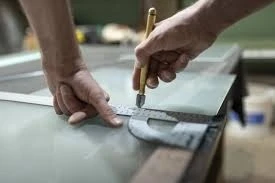
Tempered glass cannot be cut or drilled after it has been tempered. All measurements, holes, and cuts must be made beforehand. Working with experienced glass installation services ensures accuracy and avoids costly mistakes during installation.
4. Consider Maintenance
Tempered glass is generally low-maintenance, but it still benefits from regular cleaning with non-abrasive glass cleaners. For exterior applications, consider coatings that resist water spots, dirt buildup, and UV damage.
FAQ – Tempered Glass in Home Renovations
Q1: Is tempered glass more expensive than regular glass?
A: Yes, tempered glass typically costs more due to the specialized heating and cooling process. However, its durability and safety benefits often make it more cost-effective in the long run.
Q2: Can I cut or drill tempered glass at home?
A: No. Once glass has been tempered, it cannot be altered. Any cutting, drilling, or etching must be completed before the tempering process. Attempting to modify tempered glass can cause it to shatter instantly.
Q3: Is tempered glass required by law in specific areas?
A: Yes. U.S. building codes often require tempered glass in areas like shower enclosures, near doors, within 18 inches of the floor, and in stairways or railings. Always check your local regulations during planning.
Q4: How do I know if a piece of glass is tempered?
A: Tempered glass often has a small etched or printed label (known as a "bug") in one of the corners. It may also appear slightly darker and make a distinct "ping" sound when tapped. A professional can also verify it using polarized glasses or tools.
Q5: Can tempered glass be tinted or decorative?
A: Absolutely. Tempered glass can be manufactured in tinted, frosted, or patterned forms. Decorative finishes must be applied before the tempering process. There are also options for laminated tempered glass that include embedded films or textures.
Q6: Is tempered glass suitable for historical or rustic home styles?
A: While often associated with modern designs, tempered glass can be customized to suit traditional or rustic aesthetics. Frosted or textured finishes can mimic antique glass while providing modern safety standards.
Q7: How long does tempered glass last?
A: With proper care, tempered glass can last decades. It is resistant to scratches, corrosion, and weathering, especially when used in indoor applications. Outdoor pieces may require UV-resistant coatings for extended life.
Q8: Can tempered glass be recycled?
A: Tempered glass can be recycled, but it cannot go in standard curbside bins because of its unique composition. For proper disposal or recycling options, contact your local facility or a trusted glass installer such as Laplace Glass Works.




























Sign in to leave a comment.