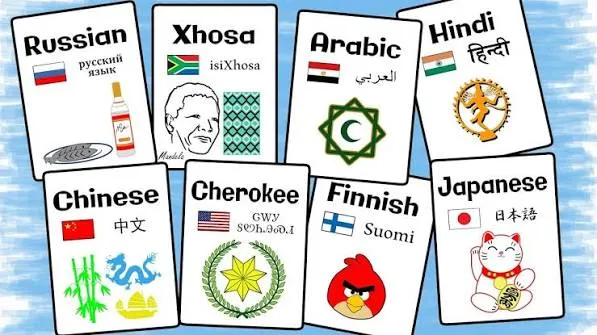

Learning a new language can be an exhilarating journey as it is the gateway to different cultures, career opportunities and global communication. But not all languages are easy to learn. Certain languages impose upon their learners unfamiliar writing systems, structures and rules of grammar that are immensely complicated, unusual patterns for pronunciation and large swathes of vocabulary. These challenges have led many people to wonder: Which is the hardest language to learn and why?
Of course, the answer is not that simple since a language's complexity varies depending on the native tongue of the learner, their learning context and interests. A language that sounds hard for an English speaker might be easy to someone coming from a different linguistic background. Nonetheless, the structure and complex syntaxes of particular languages make them generally much harder than other languages.
Understanding Language Difficulty
In order to make the actual decision of the hardest language, first, it is necessary to clarify what makes a language difficult. There are various reasons behind language difficulty.
Important Factors That Make a Language Difficult
- Unfamiliar writing systems
- Complex grammar rules
- Challenging pronunciation
- Large vocabulary
- Cultural expressions and language nuances
Now, one of the big reasons is the writing system. Learning to read and write is a whole extra hurdle for learners of languages with unfamiliar scripts. Grammar is another challenge. Some languages have sentence structures, verb forms and grammar rules that can take a lifetime to master.
Learning can also be difficult due to pronunciation. Some sounds found in one language do not exist in others, making these sounds hard to pronounce correctly. Vocabulary and cultural expressions can further increase the learning curve.
Languages Often Considered Difficult
There are many languages that often top lists of the world's toughest languages. These include Mandarin Chinese, Arabic, Japanese, Korean and Hungarian.
Mandarin Chinese
One thing that distinguishes Mandarin from most other languages has to do with its tonal system. Words may sound very different when pronounced differently, so their meanings change as well. It also uses thousands of unique characters rather than an alphabet.
Arabic
Arabic has its own challenges with difficult grammar and script. Spoken Arabic also differs greatly from region to region.
Japanese
Japanese has three different writing systems and many levels of politeness, all of which learners must master.
Korean
Korean has a sentence structure completely different from English and many other languages.
Hungarian
Hungarian is known for its wide range of grammatical rules and hundreds of suffixes that modify meaning through word changes and cases.
Is Mandarin Chinese the Hardest Language in the World?
Mandarin Chinese is considered an extremely difficult language for English speakers by many linguists. Mandarin, unlike English, is a tonal language. Differentiation in pronunciation often has a radical influence on word meaning.
Another significant challenge is the writing system. Whereas one learns a few dozen letters in alphabet-based languages, students may have to memorize thousands of characters. Reading newspapers, books and websites requires understanding a large number of symbols.
The grammar of Mandarin is far more straightforward than that of Japanese or some European languages; however, the tones and writing system make Mandarin a particularly difficult language for many English speakers to learn.
The Extreme Difficulty of Japanese
The Japanese language is arguably one of the most complicated languages to learn. Hiragana, Katakana and Kanji are the main writing systems that learners need to be familiar with. Some Kanji characters are borrowed from Chinese, and there are thousands of them.
The language also employs different speaking styles based on social ties and context. Selecting the appropriate politeness level is integral to communication.
Also, Japanese sentence structures are very different from English. It requires a lot of practice before learners can construct sentences easily and comprehend native speakers.
Quick Which Is the Most Difficult Language to Learn
Many experts include Mandarin Chinese and Japanese on their lists of the most difficult languages to learn. The answer to quick which is the most difficult language to learn is really dependent on your native language and background. Both languages take years of study to master because of their writing systems, pronunciation rules and cultural differences.
But difficulty is not unique to Asian languages. Arabic, Korean and Hungarian take a lot of hard work, dedication and practice too. Every language comes with its own challenges that will push even the most determined learners to their limits.
Factors That Influence Learning Success
Mastering a language is more complicated than just the complexity of the target language itself. While some languages are objectively more complex than others, motivation plays a major role. Someone who is highly interested in a language may progress faster than another learner studying an easier language without enthusiasm.
Key Factors for Success
- Motivation and interest
- Consistent daily practice
- Access to quality learning resources
- Interaction with native speakers
- Cultural understanding
Regular practice is equally important. Daily exposure through reading, listening, speaking and writing helps build confidence. Having access to useful learning materials and native speakers can speed up the learning process as well.
Cultural awareness is another great tool. Getting to know traditions, history and social customs tends to make language acquisition more rewarding and enjoyable.
Is It Possible to Learn Even the Most Difficult Languages?
Absolutely. There are millions of people all over the world who have been able to learn languages that previously seemed extremely difficult. The secret is to be consistent and patient.
Modern technology has made language learning easier than ever. With countless resources in the form of online courses, mobile applications, video lessons and virtual language exchanges, learners can practice as much as they like.
Setting realistic goals in the beginning can also reduce the feeling of being overwhelmed. Learners can focus on fluency later and celebrate early successes such as simple conversations, commonly heard phrases and easy-to-read texts.
Conclusion
Still, figuring out which is the hardest language to learn depends on a variety of factors based on the learner’s native tongue and experiences. Overall, languages such as Mandarin Chinese and Japanese are generally regarded among the hardest to learn because of their writing systems, pronunciation requirements and linguistic structures. Arabic, Korean and Hungarian are also known for their complexity.
Any language is learnable despite its challenges. However, with determination, diligence and the right resources, students can flourish even in the most difficult languages. Many learners also find themselves searching for easier alternatives such as best learn spanish language, which is often praised for its global prevalence and clear pronunciation. In the end, the key is to select a language that inspires you and keeps you motivated to learn every day.


























Sign in to leave a comment.