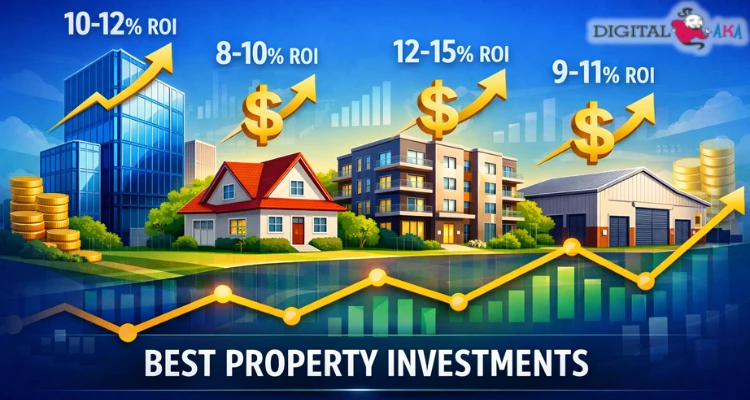

Property investment has become one of the most popular ways to build wealth and secure financial freedom. Whether you are a first-time investor or someone looking to expand your portfolio, understanding which property investment gives the best returns is crucial for making smart decisions. In this comprehensive guide, we will explore different types of property investments and help you identify the most profitable options available today.
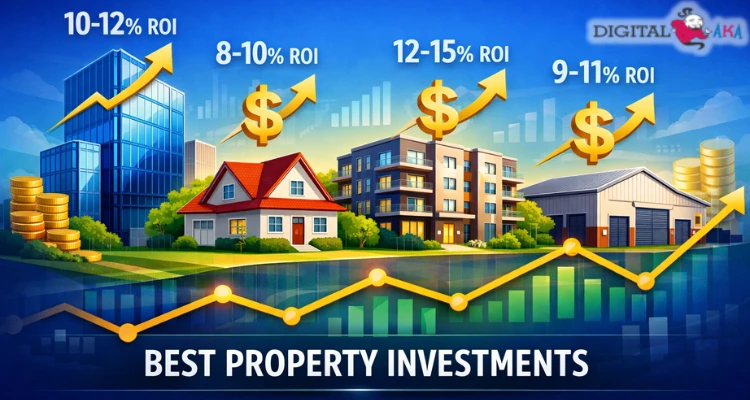
Understanding Property Investment Returns
Before diving into specific investment types, it is important to understand what returns mean in property investment. Returns can come from two main sources: rental income and capital appreciation. Rental income is the money you earn from tenants living in your property, while capital appreciation refers to the increase in property value over time. The best property investment typically offers a healthy balance of both.
Many investors make the mistake of focusing only on one aspect. However, successful property investment requires you to consider multiple factors, including location, market trends, property condition, and potential for future growth. The key is finding properties that not only generate steady rental income but also appreciate over the years.
Best Property Investment Options for Maximum Returns
When it comes to identifying the best property investment, residential properties often top the list for beginners. These include single-family homes, apartments, and condominiums. Residential properties are easier to understand, manage, and finance compared to commercial investments. They also tend to have consistent demand since people always need places to live.
However, the best property investment for you depends on your financial goals, risk tolerance, and investment timeline. Some investors prefer the stability of residential properties, while others seek higher returns through commercial or mixed-use developments. Understanding your objectives will help you choose the right path.
Top Property Investment: Commercial Real Estate
Commercial real estate stands out as a top property investment for those seeking substantial returns. This category includes office buildings, retail spaces, warehouses, and industrial properties. Commercial properties typically offer higher rental yields compared to residential options, often ranging from 6% to 12% annually.
The advantage of commercial property investment lies in longer lease agreements and professional tenants. Businesses usually sign multi-year leases, providing investors with stable, predictable income streams. Additionally, commercial tenants often handle their own maintenance and repairs, reducing your management responsibilities.
However, commercial property investment requires more capital upfront and comes with higher risks. Market fluctuations can significantly impact occupancy rates, especially during economic downturns. Despite these challenges, commercial real estate remains a top property investment choice for experienced investors with substantial resources.
Residential Rental Properties: A Reliable Choice
Residential rental properties represent a time-tested approach to property investment. Single-family homes in growing neighborhoods offer excellent potential for both rental income and appreciation. Many investors start with residential properties because they are more accessible and easier to finance through traditional mortgages.
The success of residential property investment depends heavily on location. Properties near good schools, employment centers, and public transportation typically attract quality tenants and maintain strong occupancy rates. Research your target market thoroughly before making any purchase decisions.
Vacation rentals have also emerged as an attractive option within residential property investment. Platforms like Airbnb have made it easier to generate higher rental income compared to traditional long-term leases. However, vacation rentals require more active management and may be subject to local regulations.
Top 5 Property Investment Strategies for Beginners
For those new to property investment, starting with the right strategy is essential. The top 5 property investment approaches for beginners include buy-and-hold residential properties, house flipping, real estate investment trusts, rental properties in emerging markets, and multi-family units.
Buy-and-hold strategy involves purchasing properties in appreciating markets and renting them out for steady income. This approach to property investment requires patience but offers reliable long-term returns. House flipping, while more active, can generate quick profits if you have renovation skills and market knowledge.
Real estate investment trusts, or REITs, allow you to invest in property without directly owning physical real estate. This form of property investment offers liquidity and diversification, making it ideal for beginners who want exposure to real estate markets without large capital requirements.
Multi-Family Properties: Scaling Your Investment
Multi-family properties, such as duplexes, triplexes, and apartment buildings, offer unique advantages in property investment. These properties allow you to generate multiple income streams from a single investment, reducing your overall risk. If one unit remains vacant, you still have rental income from other units.
The economies of scale in multi-family property investment make them attractive for serious investors. Maintenance costs per unit are typically lower, and property management becomes more efficient as you scale. Additionally, lenders often view multi-family properties favorably because of their income-generating potential.
Starting with a small multi-family property, like a duplex, allows you to live in one unit while renting out the others. This strategy, known as house hacking, is an excellent way to begin your property investment journey with minimal financial burden.
Location: The Most Critical Factor
No discussion about property investment would be complete without emphasizing the importance of location. The old real estate saying "location, location, location" holds true for maximizing returns. Properties in desirable locations with strong economic fundamentals consistently outperform those in declining areas.
When evaluating locations for property investment, consider factors like job growth, population trends, infrastructure development, and quality of life. Cities experiencing economic expansion typically offer better appreciation potential. Neighborhoods undergoing revitalization can also present excellent opportunities for savvy investors.
However, avoid chasing hot markets without proper research. Some areas experience rapid price increases that may not be sustainable. Focus on markets with solid fundamentals rather than speculation-driven growth. Platforms like Investorspandit provide valuable insights into promising investment locations and market trends.
Emerging Markets and Growth Potential
Emerging markets represent some of the most exciting opportunities in property investment today. These are typically secondary or tertiary cities experiencing rapid development and population growth. Property prices in these markets are often lower, offering higher potential returns compared to established markets.
The key to successful property investment in emerging markets is timing and research. Look for cities with improving infrastructure, new business developments, and government initiatives that support growth. These factors often precede significant property value appreciation.
However, emerging market property investment carries additional risks. Market volatility, less established rental markets, and limited financing options can present challenges. Balance your portfolio by combining emerging market investments with more stable, established properties.
Industrial and Warehouse Properties
Industrial property investment has gained significant attention recently, especially with the growth of e-commerce. Warehouses, distribution centers, and logistics facilities are in high demand as online shopping continues to expand. This sector offers attractive returns with relatively low maintenance requirements.
The rise of e-commerce giants has transformed industrial property investment into a highly profitable sector. Long-term leases with creditworthy tenants provide stable income streams. Additionally, industrial properties typically require less capital expenditure on improvements compared to office or retail spaces.
Making Your Property Investment Decision
Choosing the best property investment ultimately depends on your individual circumstances, goals, and resources. Successful investors often diversify across different property types and locations to balance risk and returns. Start by clearly defining your investment objectives, timeline, and risk tolerance.
Education is crucial for successful property investment. Stay informed about market trends, financing options, and regulatory changes. Resources like investorspandit.com offer valuable information and tools to help you make informed decisions. Connect with experienced investors, join real estate investment groups, and continuously expand your knowledge.
Remember that property investment is a long-term wealth-building strategy. While some approaches offer quick returns, the most substantial gains typically come from patient, strategic investing over time. Focus on properties with strong fundamentals, maintain adequate cash reserves for unexpected expenses, and always conduct thorough due diligence before making any purchase.
The journey to successful property investment begins with a single step. Whether you choose residential rentals, commercial properties, or a combination of strategies, the key is taking action based on solid research and planning. Start small, learn from experience, and gradually scale your portfolio as you gain confidence and expertise in the exciting world of property investment.































Sign in to leave a comment.