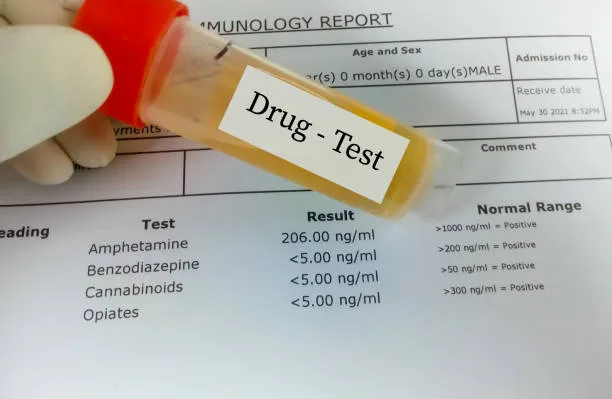

Drug testing might be considered complicated; nevertheless, in case one is required to take 5-panel drug testing for a job or any other reason, then he/she needs to learn about the drug testing process and the effect of medication use on the testing process.
5-panel drug testing is a kind of drug testing that tests five classes of commonly abused drugs. It would be good for one to learn about the 5-panel drug testing process, how it is done, and what happens after receiving a positive test result.
What is 5-Panel Drug Testing?
5-panel drug testing is a test intended to detect evidence of five drug types in a body fluid, usually urine.
Although the panels might differ from one test to another according to the testing provider or employer, a typical five-panel test normally screens for the following drugs:
- Marijuana (THC)
- Cocaine
- Amphetamines
- Phencyclidine (PCP)
- Opioids
These categories are often associated with a standard employment drug test, although employers may choose expanded panels when their workplace policies require additional substances.
What Substances Does a Five-Drug Screening Test Detent?
Marijuana (THC)
The test generally looks for metabolites associated with cannabis use rather than simply identifying whether someone has cannabis in their body. Detection times can vary significantly depending on frequency of use, metabolism, and the type of specimen tested.
Cocaine
Screening commonly identifies metabolites produced after cocaine is processed by the body. A positive screening result is typically followed by more specific laboratory testing before a final determination is made.
Amphetamines
This category can include amphetamine and related stimulant compounds. Certain prescription medications can produce unexpected screening results, which is why medication history can be important when a result requires review.
Phencyclidine (PCP)
PCP is less commonly encountered than some other substances but remains part of many traditional five-panel configurations.
Opioids
Traditional panels may include common opioid misuse, but current testing programs may opt for a wider opioid or extended opiate panel. If you want a specific substance tested in relation to your case, find out what a panel of the laboratory entails.
How Does a Basic Workplace Drug Test Process?
In basic workplace drug testing, it is common to use urine, since specimen collection is not complicated, and there is a process in place for testing the specimen.
This normally entails specimen collection in controlled settings and testing of the specimen to see whether it contains any specific metabolites of drugs, where further lab tests would be conducted if necessary.
Notably, the results from immunoassay screening may not always be the final results.
Can Prescription Medicines Affect the Result?
Yes, some medications can complicate an initial screening result.
That does not automatically mean someone has misused an illegal drug. Certain prescription and over-the-counter medicines can cross-react with screening assays. If you take prescribed medication, provide accurate information when the testing process or medical review procedure asks for it.
Avoid stopping a prescribed medicine simply because you are scheduled for testing. Instead, follow your healthcare provider's instructions and the testing provider's disclosure procedures.
How Long Do Drugs Stay Detectable?
There is no single detection window that applies to everyone. It depends on factors such as:
- The substance and amount used
- Frequency of use
- Individual metabolism
- Specimen type
- Laboratory cutoff levels
For example, urine testing may detect some substances for days, while repeated or heavy use of certain drugs can produce a longer detection period. A routine drug screening panel therefore cannot reliably predict an individual's exact detection window.
What Happens If the Initial Test Is Positive?
A preliminary positive should not automatically be interpreted as proof of drug use. Confirmatory testing and, where applicable, review by a qualified medical professional help distinguish genuine positives from potential testing or medication-related issues.
Finding a Reliable Drug Test Provider
For individuals seeking professional drug testing and laboratory screening services, Choice DNA, is one provider that may be considered when evaluating available testing options. Those comparing drug testing providers can review factors such as specimen collection procedures, laboratory standards, testing panels, substances included, result reporting, turnaround times, and privacy practices. Evaluating these aspects in advance can help individuals identify a testing service that is appropriate for their specific personal, employment, legal, or other official requirements.
Final Takeaway
A five-panel test will most probably include the use of cannabis, cocaine, amphetamines, PCP, and opiates, but there will be a little variation from one panel to another since no two panels are the same among various testing organizations. It is important to know what kind of drugs will be tested, the differences between the screening test and confirmation tests, and to list any drugs that are relevant.
When asked to take the test, it is recommended that you find out more about your panel and how the test is conducted.
























Sign in to leave a comment.