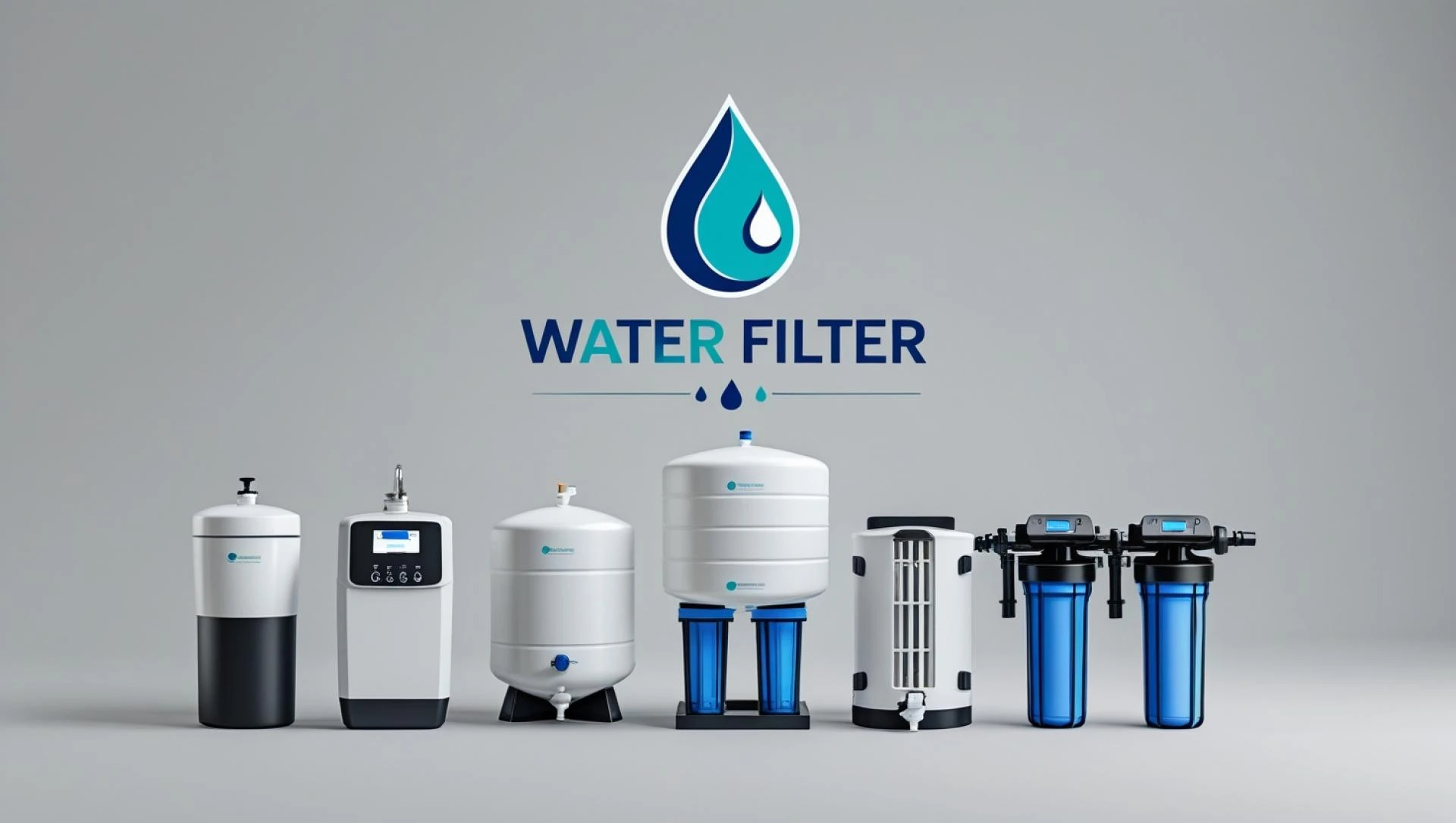

In 2025, clean water is no longer guaranteed straight from the tap. Contaminants, aging pipes, and environmental changes have made whole home water filtration systems a household essential. Unlike filters that treat only drinking water, these systems purify every drop entering your home, ensuring safe water for drinking, bathing, and cleaning. Let’s explore how whole home filtration works, its benefits, and why it’s a game-changer for your health and home.
What Is Whole Home Water Filtration?
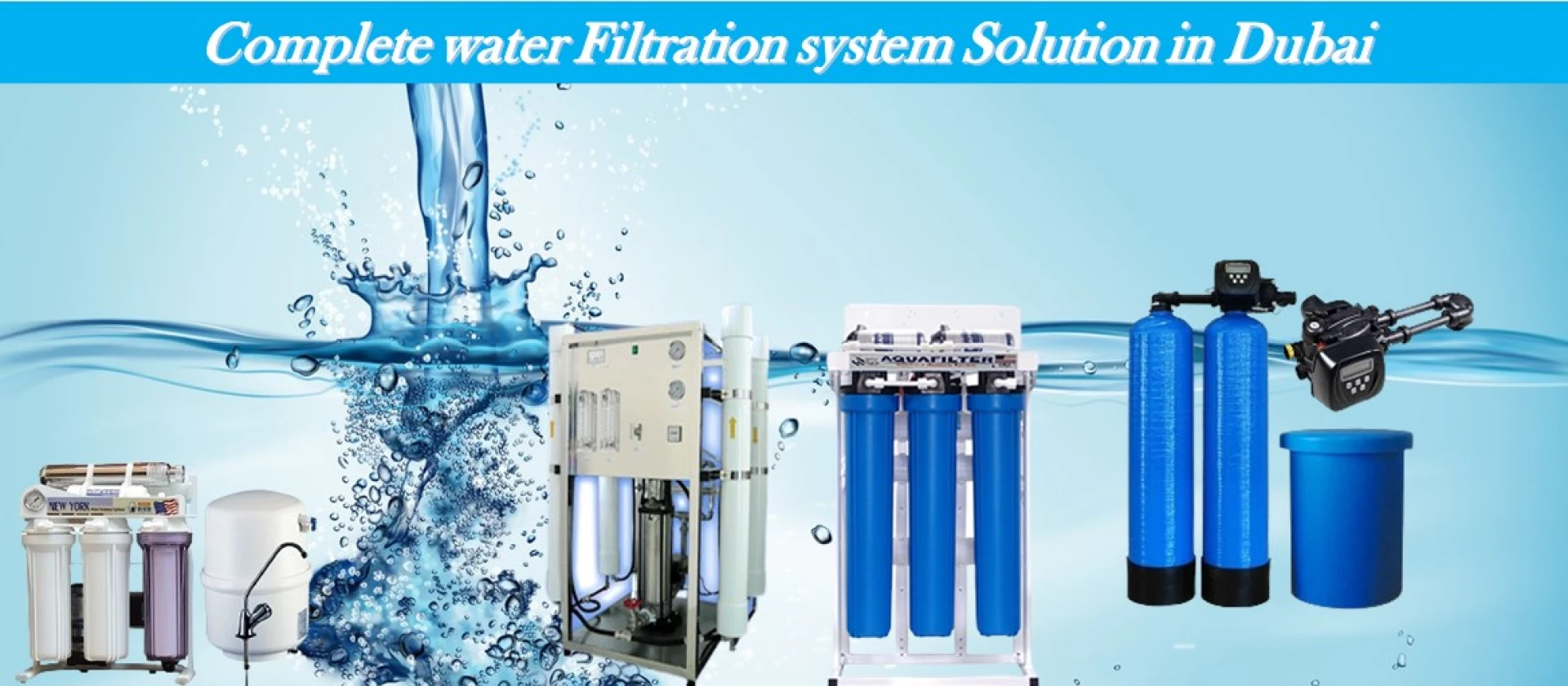
A whole home water filtration system, also called a point-of-entry system, treats water as it enters your house, before it reaches any faucet or appliance. Installed near your main water line, it uses a combination of filters and technologies to remove contaminants. Depending on your water quality, systems may include activated carbon for chemicals, reverse osmosis for heavy metals, or UV purifiers for bacteria. The result is clean, safe water flowing from every tap, shower, and appliance.
These systems differ from point-of-use filters, like pitcher or faucet attachments, which only treat water at specific outlets. Whole home filtration offers comprehensive protection, addressing contaminants that affect not just drinking but also bathing, laundry, and dishwashing. It’s a holistic solution for households prioritizing health and convenience.
Why Your Tap Water Needs Filtration
Tap water faces growing threats. Many municipal systems rely on pipes installed decades ago, which corrode and release lead or copper. Modern pollutants—PFAs, pharmaceuticals, and microplastics—slip past outdated treatment facilities. In rural areas, well water is at risk from agricultural runoff carrying pesticides or nitrates. Climate-driven heavy rains exacerbate these issues, overwhelming natural filtration and pushing contaminants into water supplies.
These risks aren’t limited to drinking water. Showering in unfiltered water exposes your skin and lungs to chlorine and volatile compounds, potentially causing irritation or respiratory issues. Washing clothes or dishes in contaminated water can leave residues that affect health and hygiene. Whole home filtration eliminates these concerns, delivering clean water for every use.
Health Benefits of Clean Water Everywhere
Whole home filtration safeguards your family’s well-being. Lead, even in small amounts, can harm brain development in children and raise blood pressure in adults. PFAs, known as “forever chemicals,” persist in the body and are linked to liver damage and cancer. Microplastics, now found in most water sources, carry toxins that disrupt hormones. A robust filtration system removes these dangers, ensuring safer water for drinking, cooking, and bathing.
Clean water also supports skin and hair health. Unfiltered water often contains chlorine or hard minerals that dry out skin and cause itchiness or eczema flare-ups. Filtered water is gentler, reducing irritation and improving overall comfort. For families with young children or elderly members, this consistent protection is invaluable.
Practical and Financial Advantages
Beyond health, whole home filtration protects your home and saves money. Unfiltered water can clog pipes with mineral deposits or corrode appliances, shortening the lifespan of water heaters, dishwashers, and washing machines. Filtered water prevents these issues, reducing repair bills and extending appliance longevity. Softened water also improves water pressure and reduces scale buildup in plumbing.
Financially, whole home systems are a smart investment. While the initial cost varies, they eliminate the need for bottled water or multiple point-of-use filters, which add up over time. Many systems are low-maintenance, with smart features that notify you when filters need replacing. Compared to the ongoing expense of bottled water or frequent appliance repairs, filtration offers long-term savings.
Environmental Impact
Whole home filtration is a win for the planet. The bottled water industry produces billions of plastic bottles annually, most of which end up in landfills or oceans. By purifying your home’s water, you cut reliance on single-use plastics, shrinking your environmental footprint. Many systems use sustainable materials, and some offer recyclable filters, aligning with eco-conscious living.
Cleaner water also reduces household waste. Filtered water requires less soap and detergent for cleaning and laundry, lowering chemical runoff into waterways. Energy-efficient appliances, protected by filtered water, consume less power, further reducing your carbon footprint.
Getting Started with Whole Home Filtration
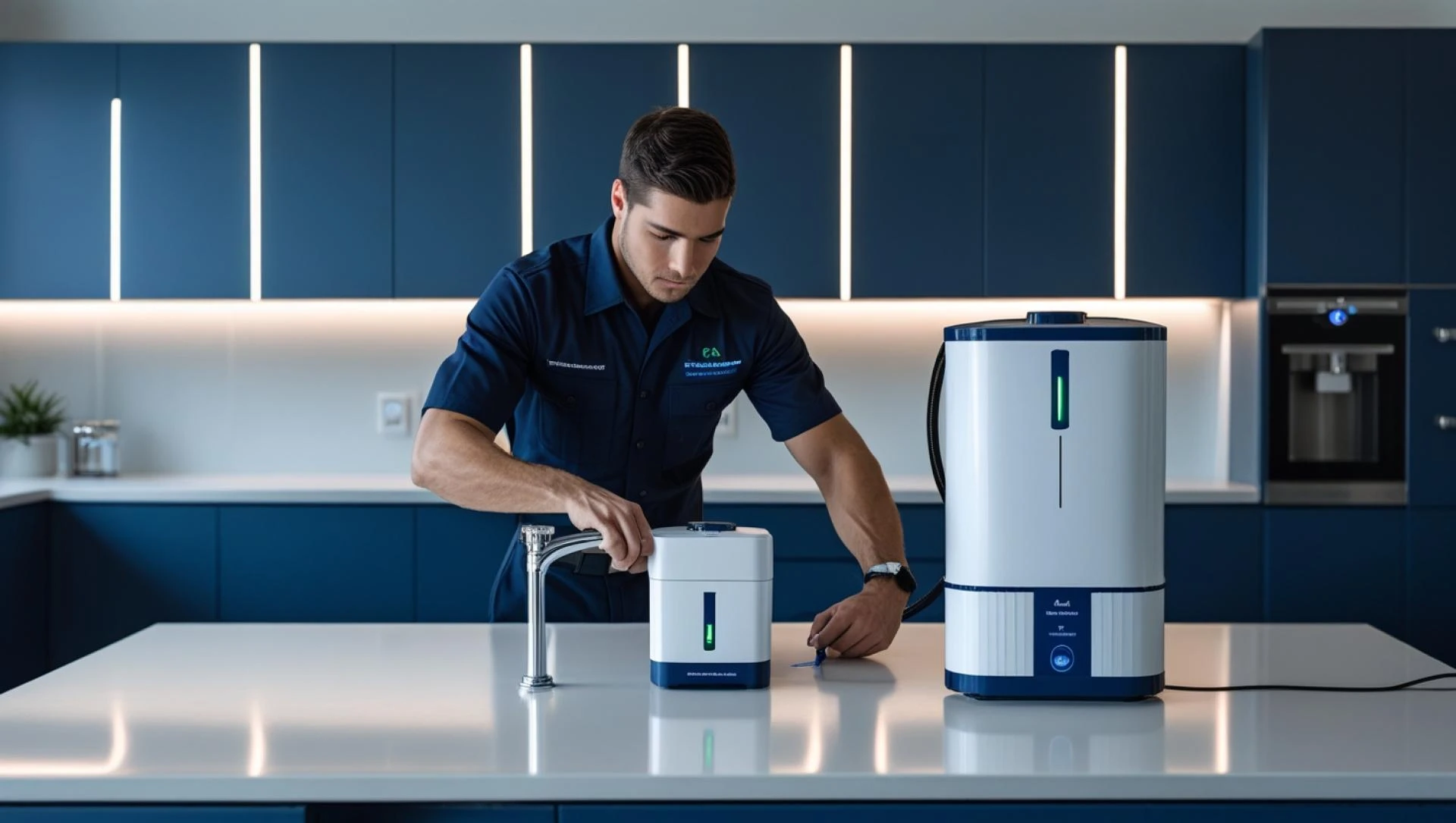
Choosing a system starts with knowing your water’s contaminants. Affordable test kits or local water quality reports can guide you. Systems range from basic carbon filters for taste to advanced setups with UV and reverse osmosis for comprehensive purification. Consider your household’s water usage and budget, and opt for professional installation for optimal performance.
In 2025, whole home water filtration is the key to clean water at every tap. It protects your health, home, and the environment, offering peace of mind in an uncertain world. Invest in filtration today, and enjoy the benefits of safer, cleaner water throughout your home.



























Sign in to leave a comment.