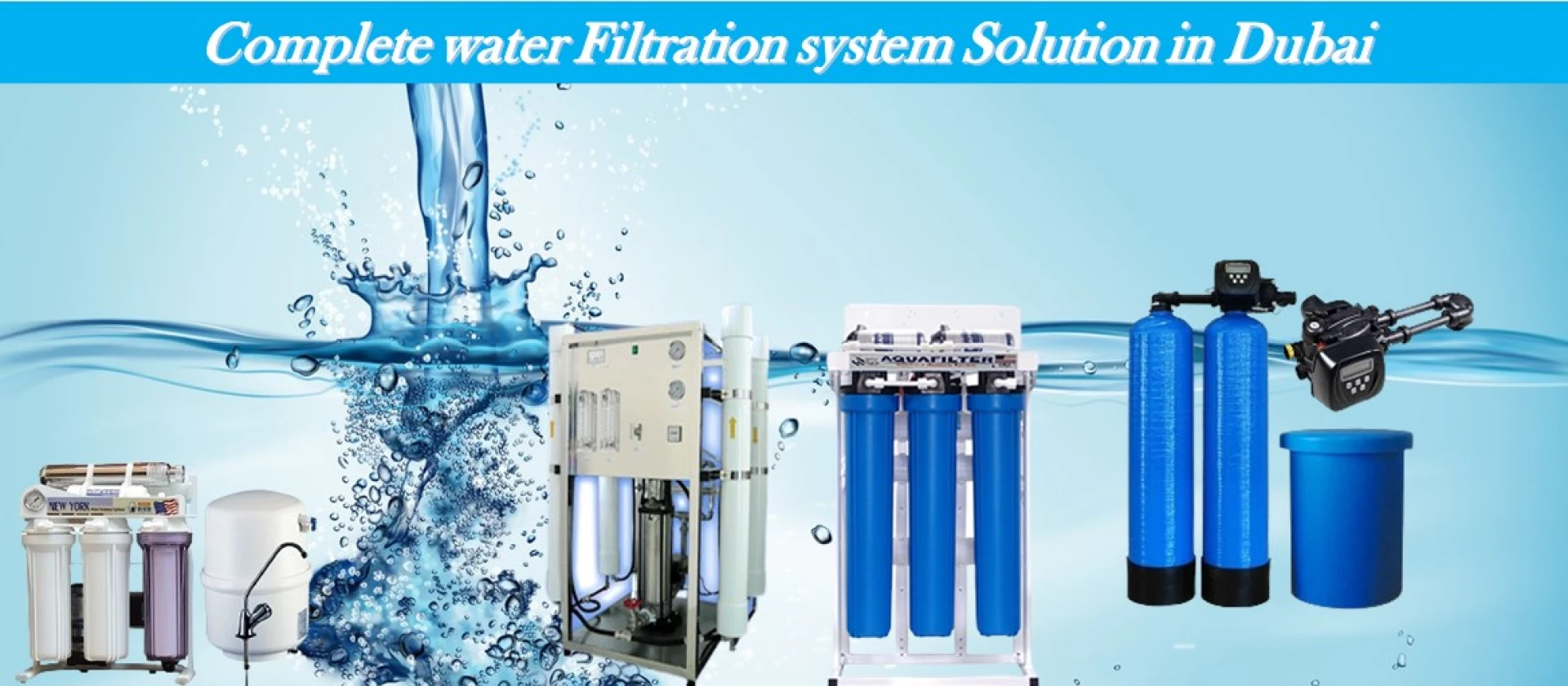

Having clean, safe water is a priority for every household. It impacts everything from drinking to cooking, and even the health of your appliances. With so many water filtration systems on the market, choosing the right one for your family can feel overwhelming. But, don’t worry! Here’s a guide to help you make an informed decision, ensuring your home gets the best filtration solution to meet your needs.
Understand Your Water Quality
The first step in selecting the right water filtration system is understanding the quality of your water. Water quality can vary greatly depending on where you live, the source of the water, and the pipes it travels through.
To determine your water’s quality, consider getting a water test kit. This will show you the presence of contaminants like chlorine, lead, bacteria, or other harmful substances. Some municipal water providers also make water quality reports available to residents, which can be a helpful starting point. If you’re on well water, testing is even more critical since it’s not treated by municipal systems.
Once you know what’s in your water, you can choose a house water filtration system that addresses those specific contaminants. For instance, if you have high levels of chlorine or bad taste, a simple carbon filter may suffice. However, if you’re concerned about lead or bacteria, you may need a more advanced filtration system.
Types of Filtration Systems
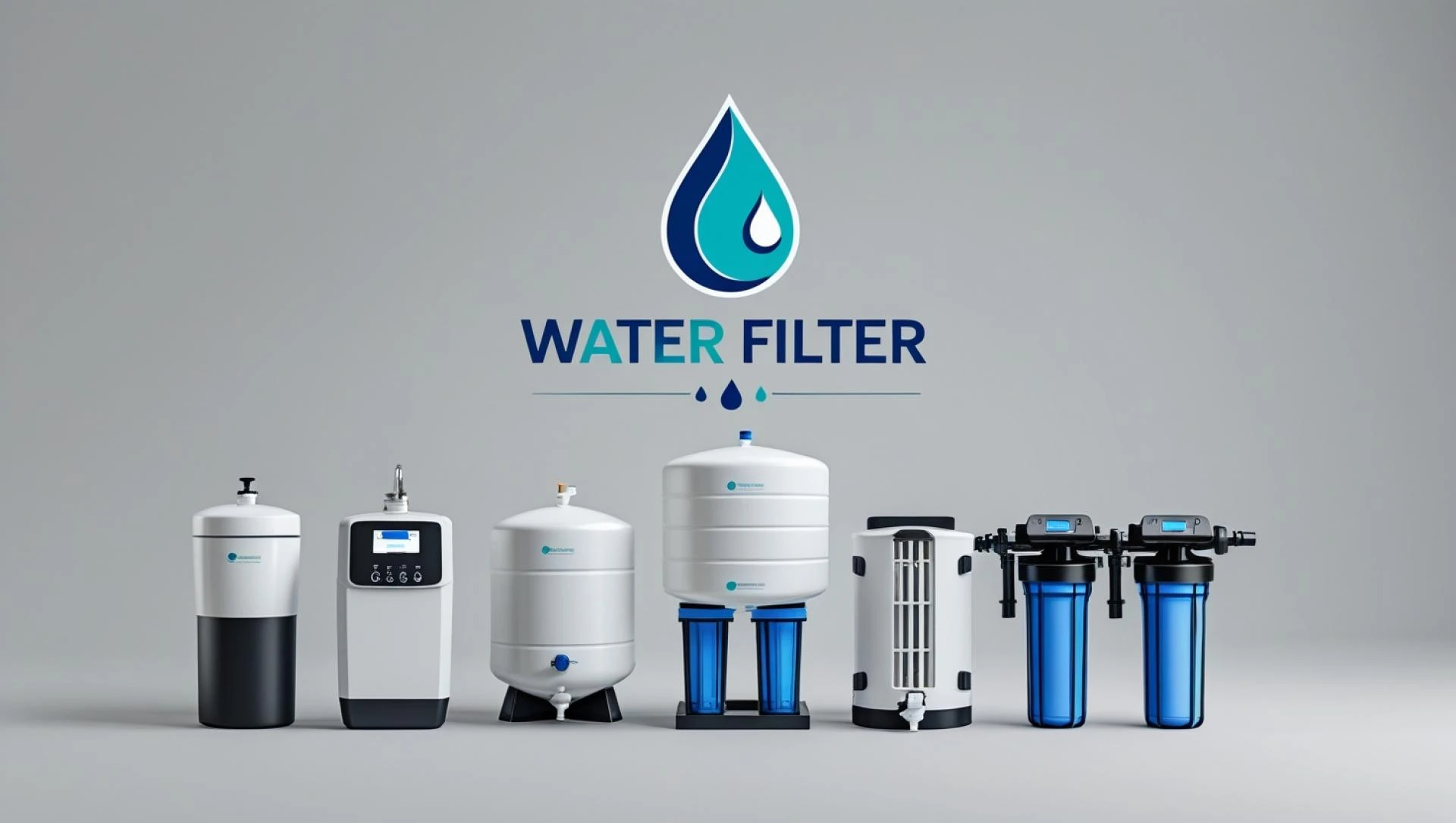
There are various types of water filtration systems, each designed to target specific contaminants. Let’s break down the most common types:
1. Activated Carbon Filters
Activated carbon is one of the most widely used filtration materials. It’s great for removing chlorine, pesticides, and bad odors from your water. These filters are often found in pitchers, faucet-mounted filters, and under-sink systems. If your primary concern is improving taste and odor, an activated carbon filter might be the simplest and most cost-effective solution.
2. Reverse Osmosis (RO) Systems
Reverse osmosis is a more advanced filtration method that uses a semi-permeable membrane to remove a broad range of contaminants, including lead, arsenic, fluoride, and nitrates. RO systems are typically installed under the sink or connected to your entire home’s water supply. While they are excellent at purifying water, they can be more expensive and waste a significant amount of water during the filtration process.
3. UV (Ultraviolet) Filters
UV filtration systems use ultraviolet light to kill bacteria, viruses, and other pathogens that may be present in your water. These systems don’t remove physical contaminants but are effective in providing an additional layer of protection against harmful microorganisms. If you’re concerned about microbiological contamination, a UV filter can be a good addition to your home’s filtration system.
4. Whole House Filtration Systems
Whole house filtration systems are designed to filter all the water entering your home. This type of system is installed at the point where the water enters your home and typically involves a combination of filters to target different contaminants. Whole house filters can remove chlorine, sediment, heavy metals, and even hard water minerals. These systems are ideal for families who want to ensure clean water for all uses, including bathing and cleaning.
Consider Your Family’s Water Usage
It’s also important to think about how much water your family uses daily. If you have a large household or a higher-than-average water demand, you’ll need a system that can handle the volume. Some filtration systems, like activated carbon filters or under-sink reverse osmosis units, are better suited for small to medium-sized households. On the other hand, if you have a large family, a whole house filtration system might be necessary to ensure everyone has access to filtered water without straining the system.
Additionally, it’s worth considering how often the system will need maintenance. Some systems, like reverse osmosis filters, require regular replacement of membranes or filters, while others, like UV systems, may need occasional bulb replacements.
Maintenance and Costs
When selecting a filtration system, factor in both initial installation costs and long-term maintenance. Some systems, like under-sink reverse osmosis or whole house filters, can be expensive upfront but offer long-term benefits in terms of water quality. On the other hand, simpler solutions like activated carbon filters or pitcher filters are inexpensive but may need to be replaced more frequently.
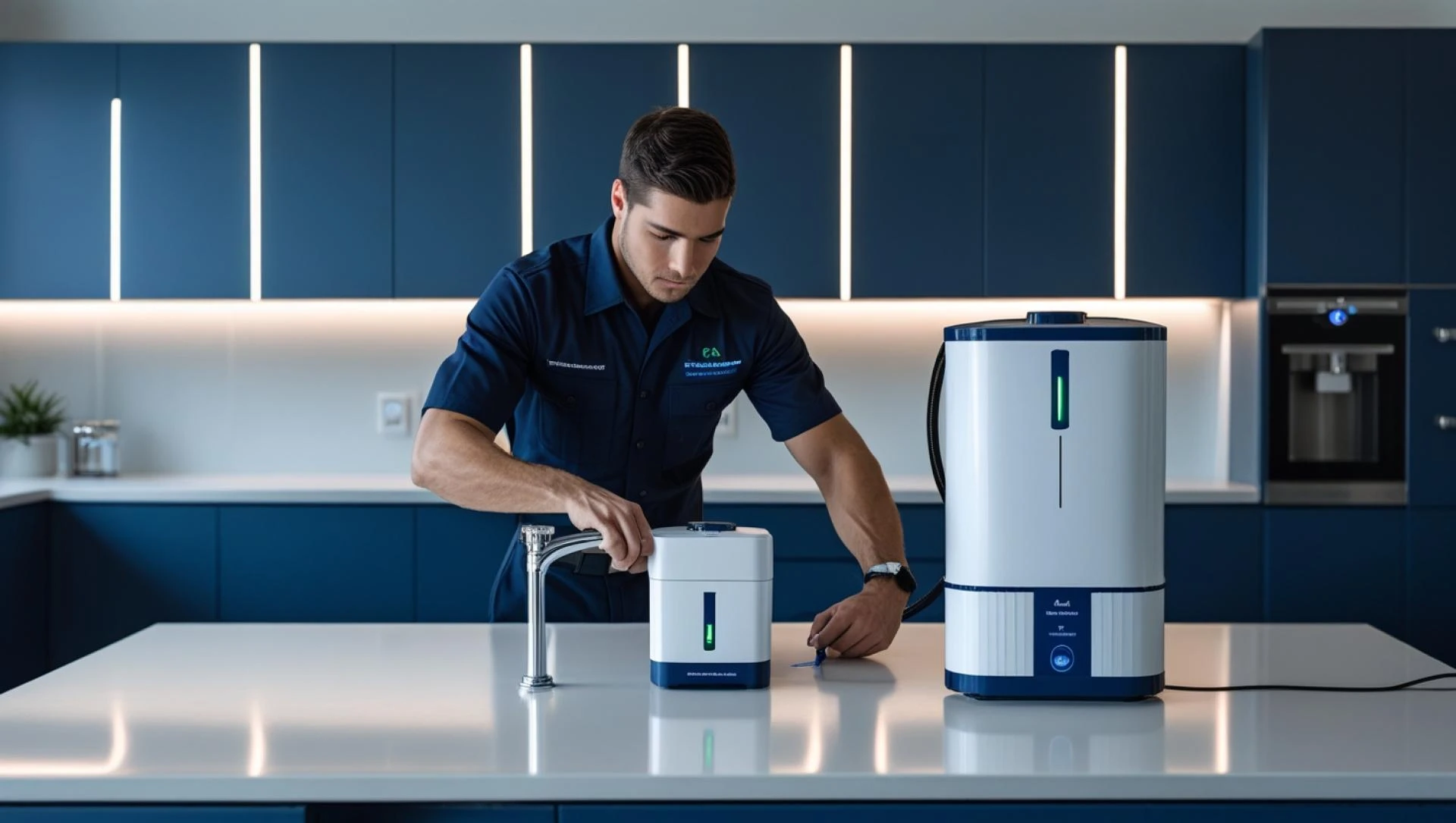
Whole house filtration systems, in particular, can have significant installation costs, as they require professional installation. However, the benefit is that all the water in your home will be filtered, so you won’t have to worry about getting different filtration systems for various taps.
Consider your budget, and look for a system that offers a balance between upfront costs and ongoing maintenance.
Additional Features and Considerations
Finally, when choosing a filtration system, look for additional features that may make it easier to use. For example, systems with filter change indicators can save you time by alerting you when it’s time for a replacement. Some advanced systems even come with smart technology that tracks water usage and filter life.
It’s also important to think about the space available for installation. Under-sink filters require cabinet space, while whole house systems require space for installation at your main water entry point.
Final Thoughts
Selecting the right water filtration system for your family involves evaluating your specific needs, understanding the quality of your water, and considering your budget. With the right system, you can ensure that your family has access to clean, safe, and great-tasting water for drinking, cooking, and everyday use. By understanding the options available and the features that matter most to your household, you’ll make an informed decision that benefits your family’s health and comfort.
























Sign in to leave a comment.