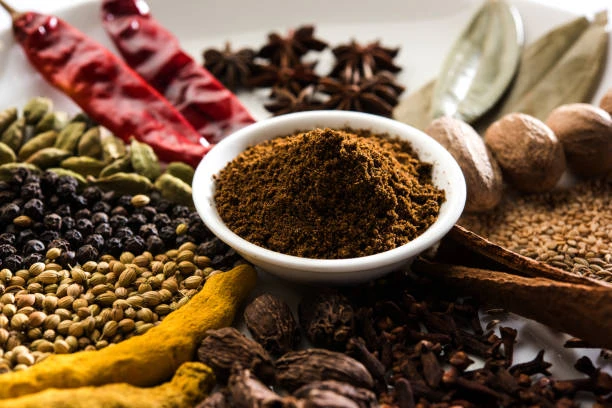

India is often referred to as the land of spices, and for good reason. The soul of Indian cuisine lies in its vibrant and diverse masalas. From the simplest of dals to the richest biryanis, it is the masala that breathes life into these dishes. Understanding Indian masalas isn’t just about knowing flavors — it’s about understanding culture, tradition, and the secret behind generations of taste.
What is Masala?
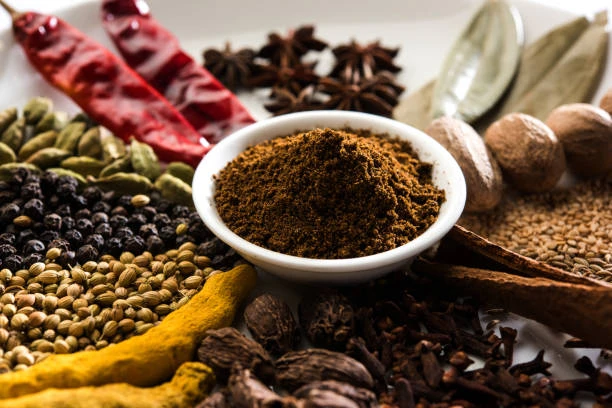
Masala is the Hindi term for a mixture of spices. Depending on the region, recipe, and culinary purpose, masalas can be dry (powdered) or wet (a paste made with oil, water, or vinegar). These mixtures can consist of just two or three ingredients or up to twenty or more, creating complex layers of flavor that make Indian dishes truly stand out.
The Importance of Whole Masala
Before any spice blend becomes powder, it exists as a whole masala. Whole spices — like cloves, cardamom, cinnamon, bay leaves, cumin seeds, and peppercorns — are used in their original form to infuse oil with their aroma and flavor. These sabut masala are often tempered in hot oil or ghee, releasing their essential oils and enhancing the flavor profile of the entire dish.
Exploring Sabut Masala
Sabut masala, or whole spices, are an essential part of many Indian recipes. They’re not just used for flavor but also for their aroma and texture. Think of a rich Punjabi rajma or a fragrant biryani — chances are you’ll bite into a clove or bay leaf that’s been slow-cooked to perfection.
Some commonly used sabut masala include:
- Cumin Seeds (Jeera)
- Cloves (Laung)
- Cinnamon (Dalchini)
- Cardamom (Elaichi)
Each of these contributes to not just taste but also digestive and medicinal benefits, making them a staple in Indian households.
Why Pure Masala Makes a Difference
When it comes to flavor, purity matters. Pure masala refers to spices that are unadulterated and free from artificial additives or fillers. These masalas are processed minimally to retain their natural oils and potency.
Using pure masala enhances both the taste and the health quotient of food. Impure or diluted spices may reduce the effectiveness of your recipe and can even pose health risks. Always look for spices that are freshly ground, naturally dried, and hygienically packed to maintain their integrity.
How to Buy Masala Online
With changing times and the rise of digital marketplaces, more people now buy masala online. Whether you’re looking for individual spices or custom blends, online platforms provide access to a wide range of products from different regions of India.
Here are a few tips for smart spice shopping:
- Always read the product description and ingredient list.
- Check reviews and ratings for authenticity.
- Look for transparent packaging that lets you inspect color and texture.
- Choose retailers that offer details about sourcing and processing.
When you buy masala online, you gain access to specialty items that may not be available locally, like rare spice blends or regional masalas.
The Best Masala in India: What to Look For
India is home to countless masala varieties, with every region boasting its own signature blends. From the fiery Chettinad masala of Tamil Nadu to the aromatic Goda masala of Maharashtra, there’s no one-size-fits-all.
To find the best masala in India, consider the following:
- Freshness: Fresher spices yield better aroma and flavor.
- Region-Specific Blends: Choose blends that are true to the region they come from.
- Grind Texture: Coarse or fine, depending on your cooking preference.
- Color and Aroma: Bright, vibrant spices with a strong natural scent are often the best quality.
The best masala in India is often crafted by local artisans or specialty brands that emphasize quality over quantity.
Masala Manufacturers in India
The rise of packaged foods and ready-to-use spice blends has led to a boom in masala manufacturers in India. These manufacturers range from small-scale regional producers to large-scale, export-oriented brands.
When choosing from masala manufacturers in India, keep these factors in mind:
- Certifications: ISO, FSSAI, and organic labels ensure quality.
- Sourcing: Ethical and sustainable sourcing practices are a plus.
- Innovation: Some of the best manufacturers offer innovative blends and health-focused masalas.
- Customer Feedback: Reputation matters. Go for brands that are trusted by consumers.
These manufacturers play a key role in making Indian masalas accessible across the globe, without compromising on authenticity.
Creating Your Own Masala Blend
If you’re adventurous in the kitchen, consider making your own masala blend at home. Start with whole masala and roast them lightly before grinding. You can make:
- Garam Masala
- Chole Masala
- Pav Bhaji Masala
- Sambar Powder
- Biryani Masala
Custom blends allow you to tailor the spice level and flavor notes to suit your taste and health needs. Using pure masala and sabut masala will ensure you get the most aromatic and healthful results.
DIY vs Store-Bought Masalas
Some home cooks prefer making their own masalas by grinding sabut masala at home. This ensures purity and customization. However, it can be time-consuming.
On the other hand, when you buy masala online, you get convenience, consistency, and variety. Just ensure you choose reputable masala manufacturers in India that prioritize quality.
FAQs
Q1: What is the difference between whole masala and ground masala?
A: Whole masala (or sabut masala) includes unground spices like cloves, cumin, and cardamom. Ground masala is a powdered version of these spices or blends. Whole spices retain their aroma longer and offer deeper flavor when freshly ground.
Q6: What are khade masale, and how do they enhance flavor?
Khade masale are whole spices used in Indian cooking for tempering or flavor infusion. These include items like cloves, cardamom, bay leaves, and peppercorns. They’re essential for creating deep, layered flavors in dishes.
Q3: What defines the best masala in India?
A: The best masala in India is defined by freshness, purity, regional authenticity, and high-quality packaging. Look for blends that are freshly made using pure masala and sourced responsibly.
Q4: What are some must-have sabut masala for everyday cooking?
A: Must-haves include cumin seeds, mustard seeds, cloves, cardamom, cinnamon, and bay leaves. These sabut masala are versatile and used in tempering, curries, and rice dishes.
























Sign in to leave a comment.