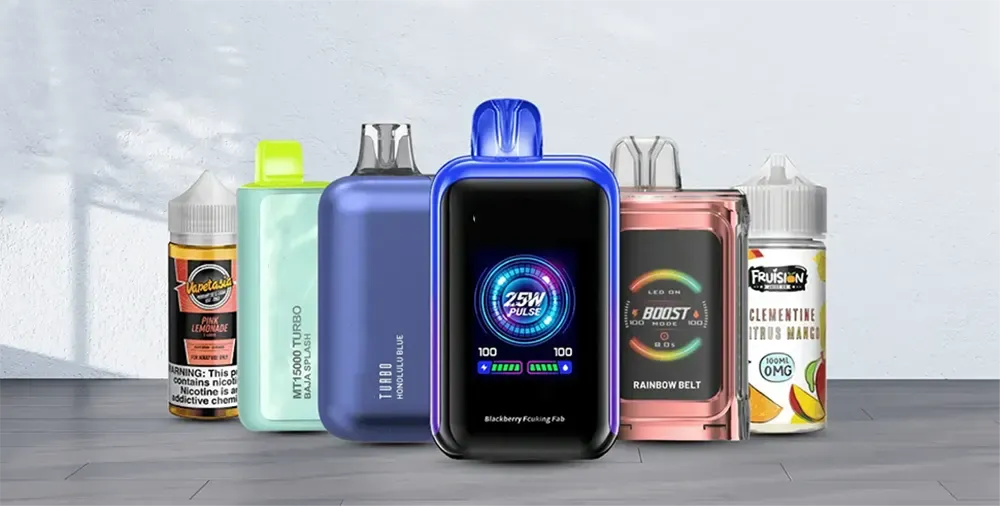

The vape industry relies on a complex supply chain that connects manufacturers, wholesalers, distributors, retailers, and end customers.
For businesses operating in this market, understanding how products move from manufacturers to retail shelves can make purchasing, inventory management, and supplier evaluation more efficient. Businesses such as Bang Trading EU Vape operate within this broader wholesale marketplace, where retailers can source different categories of vaping products and related accessories.
For retailers, understanding the wholesale process is about more than simply finding products at competitive prices. A dependable supply chain requires appropriate product sourcing, inventory planning, documentation, transportation, storage, and compliance at different stages.
What Is a Wholesale Vape Supply Chain?
A wholesale vape supply chain refers to the network of businesses and processes involved in moving vaping products from manufacturers or authorized sources to businesses that purchase products for commercial purposes.
The process may involve several stages. Manufacturers produce products according to their specifications, wholesalers or distributors acquire inventory, logistics providers transport shipments, and retailers purchase products for their own commercial operations.
Each stage can influence availability, pricing, delivery times, and product consistency.
The Role of Manufacturers
Manufacturers are generally responsible for producing vaping devices, e-liquids, accessories, and other products according to defined specifications.
Manufacturing quality can have a direct impact on the consistency of products available to wholesalers and retailers. Businesses purchasing at wholesale level should therefore consider whether manufacturers provide appropriate product information, packaging, labeling, and documentation.
A retailer does not necessarily need to work directly with a manufacturer. Wholesalers and distributors can simplify purchasing by bringing products from multiple sources together in one marketplace.
The Role of Wholesale Suppliers
Wholesale suppliers act as an important connection between manufacturers and retailers.
Instead of requiring retailers to communicate separately with numerous manufacturers, a wholesale supplier may provide access to multiple product categories through a single purchasing relationship.
This can simplify ordering and inventory management. Retailers can compare available products, purchase quantities according to their requirements, and potentially reduce the administrative work associated with managing multiple suppliers.
However, retailers should still evaluate each supplier carefully before establishing a long-term relationship.
Inventory Management in the Supply Chain
Inventory management is one of the most important parts of wholesale purchasing.
Retailers need to maintain enough stock to meet demand without purchasing excessive quantities that remain unsold. Poor inventory planning can tie up capital and create unnecessary storage requirements.
Businesses can improve inventory planning by monitoring previous sales, seasonal demand, product turnover, and purchasing patterns.
Products with consistently strong demand may require more frequent replenishment, while less predictable products may be better purchased in smaller quantities.
Understanding Minimum Order Quantities
Wholesale suppliers may establish minimum order quantities for individual products or entire orders.
Minimum order quantities can help suppliers manage their own operational costs, but they also affect retailers.
Before ordering, businesses should determine whether the required quantity is appropriate for their expected sales volume. Ordering more inventory than a business can realistically sell may create unnecessary financial pressure.
Smaller businesses may therefore prefer suppliers with flexible purchasing requirements, while larger retailers may be comfortable with higher order volumes.
Product Documentation and Information
Product information plays an important role in professional wholesale purchasing.
Retailers should have access to relevant information about products, including specifications, packaging, ingredients where applicable, and other documentation required for their market.
Clear information allows businesses to create accurate inventory records and evaluate whether particular products are suitable for their intended market.
For regulated products, documentation can also be important when demonstrating that appropriate purchasing and compliance procedures have been followed.
Transportation and Logistics
Transportation connects the wholesale supplier with the retailer and can have a major effect on supply continuity.
Businesses should understand available shipping methods, estimated processing times, tracking procedures, and policies relating to damaged or incomplete shipments.
International orders can involve additional considerations, including customs procedures, import requirements, taxes, duties, and destination-country regulations.
Retailers should research these requirements before placing international orders rather than assuming that the supplier is responsible for every aspect of import compliance.
Storage Considerations
Once products arrive, retailers need suitable storage procedures.
Inventory should be organized in a way that allows businesses to monitor stock levels, product variations, batch information where relevant, and expiration information where applicable.
Good storage practices can also help reduce product damage and make stock rotation easier.
An organized warehouse or storage area can improve order preparation and reduce the possibility of inventory discrepancies.
Regulatory Compliance
Vaping products can be subject to different rules depending on the jurisdiction.
Requirements may cover product composition, labeling, packaging, nicotine content, advertising, taxation, importation, age restrictions, and retail practices.
Because regulations can change, businesses should regularly review the requirements applicable to their operating market.
A wholesale supplier can provide product information, but retailers remain responsible for understanding and following the laws that apply to their own businesses.
Why Supplier Verification Matters
Supplier verification is an important step before establishing a wholesale relationship.
Businesses should investigate the supplier's business information, product documentation, purchasing terms, shipping policies, and customer support procedures.
It can also be useful to begin with a smaller order where appropriate. This allows a retailer to evaluate fulfillment, packaging, communication, and product consistency before committing to larger purchasing volumes.
Creating a Reliable Purchasing Process
A professional purchasing process should be consistent and documented.
Retailers can create supplier evaluation criteria covering product quality, pricing, minimum quantities, inventory availability, shipping, documentation, and support.
Using the same criteria for different suppliers makes comparison easier and reduces the likelihood of making purchasing decisions based solely on price.
Building Supply Chain Resilience
Businesses should avoid relying entirely on assumptions about product availability.
A resilient purchasing strategy can include alternative suppliers, appropriate safety stock, regular inventory monitoring, and clear communication with suppliers.
Having backup options can be particularly useful when popular products become unavailable or when transportation conditions change.
Final Thoughts
Understanding the wholesale vape supply chain can help retailers make more informed business decisions. Manufacturers, wholesalers, logistics providers, and retailers each contribute to the movement of products through the market.
For retailers, successful purchasing requires more than finding products at a particular price. Businesses should consider inventory requirements, supplier reliability, documentation, shipping, storage, and applicable regulations.
A structured approach to supplier evaluation can help retailers create a more predictable purchasing process while reducing unnecessary inventory and operational risks.
Frequently Asked Questions
What is a wholesale vape supply chain?
A wholesale vape supply chain is the network of manufacturers, suppliers, distributors, logistics providers, and retailers involved in moving vaping products through the commercial market.
Why is inventory management important for retailers?
Inventory management helps businesses maintain appropriate stock levels while reducing the risk of excessive unsold inventory or unexpected shortages.
What are minimum order quantities?
Minimum order quantities are the smallest quantities a supplier requires a business to purchase for a particular product or order.
Why should retailers verify suppliers?
Supplier verification can help businesses assess product information, purchasing terms, fulfillment reliability, documentation, and customer support before establishing a long-term relationship.
Are international wholesale orders subject to additional requirements?
International orders may involve customs, import, taxation, labeling, and other requirements depending on the destination market.
Who is responsible for regulatory compliance?
Responsibilities vary by jurisdiction and transaction, but retailers should independently understand and follow the laws and regulations applicable to their business operations.
























Sign in to leave a comment.