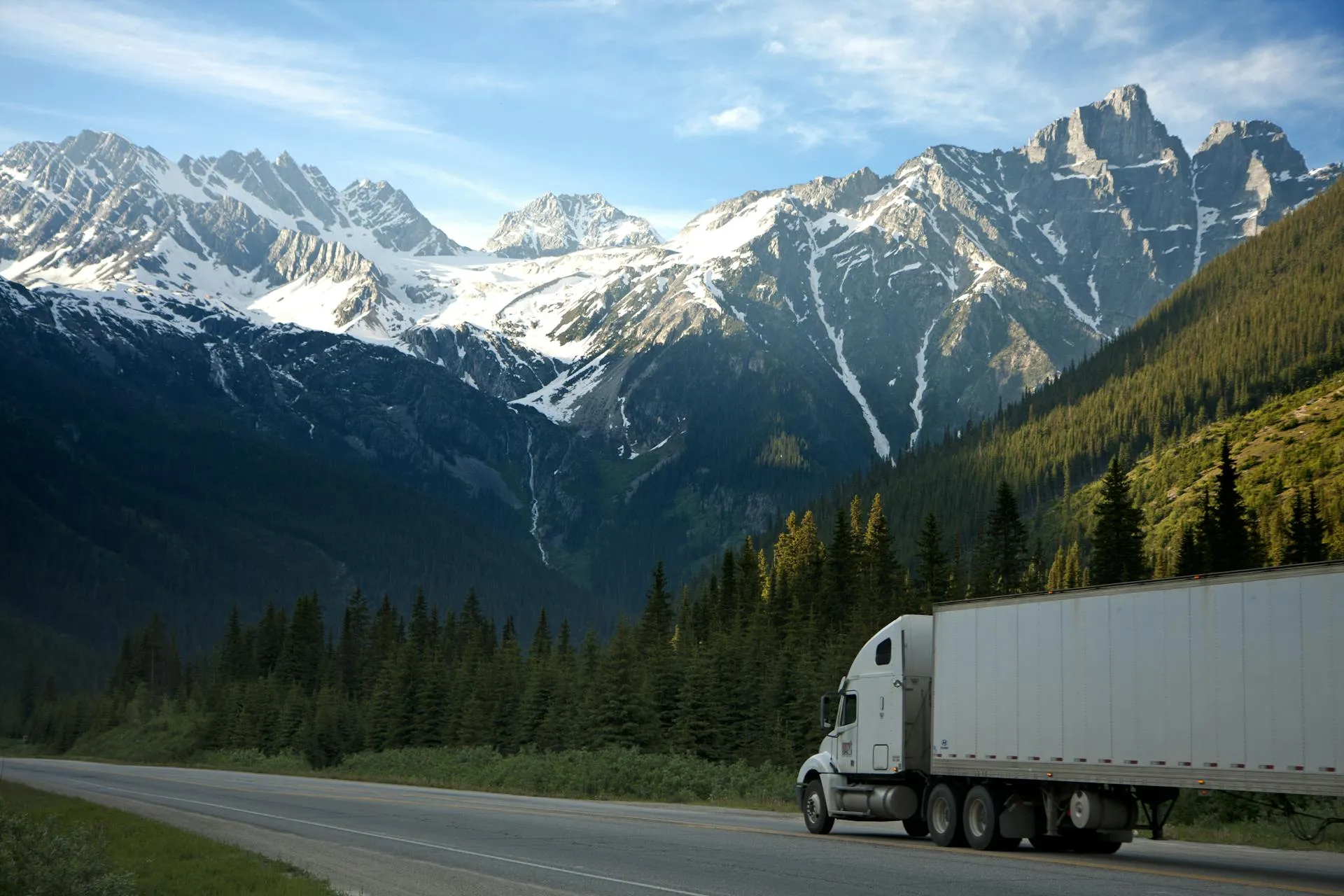

Operating a commercial rig is an entirely different experience compared to driving a standard passenger vehicle. When you get behind the wheel of a heavy-duty unit, you’re operating a complex machine that weighs tens of thousands of pounds. The physics involved in stopping, turning, and maintaining control make specialized training non-negotiable. If you have been looking at 18-wheeler trucks for your fleet or a new career path, you know that the hardware is only half the battle. The other half is the driver's ability to handle that power with total confidence and safety.
The Physics of Heavy Hauling
The main challenge of driving an 18-wheeler is pure mass. Because these vehicles are so heavy, their stopping distance is drastically longer than that of a passenger car, and they react much more slowly to steering inputs. Drivers have to think ahead by hundreds of feet, anticipating traffic flow and road conditions far in advance. Furthermore, the length and weight distribution change how the truck handles tight turns-drivers have to use specific techniques to navigate intersections without clipping curbs or endangering other motorists. Mastering these maneuvers comes from hours of supervised, hands-on practice.
The CDL Pathway
To operate these machines legally, every driver must earn a Commercial Driver’s License. This isn't a simple written test like the one you took at the DMV for your first car. It involves rigorous federal and state testing that covers everything from pre-trip inspections to complex backing maneuvers. The process ensures that every driver on the road understands the specific laws governing interstate commerce, hours-of-service regulations, and the mechanical requirements of their vehicle. For anyone getting into the industry, the license is a sign that you have the baseline knowledge to handle a commercial vehicle under federal scrutiny.
Training Beyond the Basics
Modern training programs cover more than driving skills. Classroom instruction focuses on key regulations, including hours-of-service logging to reduce fatigue and required vehicle safety checks. Behind-the-wheel training is where the real skill building happens. Trainees spend weeks learning how to manage blind spots that span the length of the trailer, how to navigate steep mountain grades safely, and how to distribute cargo so the trailer doesn't become unstable at highway speeds.
Managing Risk on the Road
Safety is the core reason for these stringent requirements. Large trucks have enormous blind spots-often called "no-zones"-where passenger cars can completely disappear from the driver's sight. A well-trained driver knows exactly how to position their vehicle to maintain visibility, how to leave ample following distance, and how to utilize defensive driving to prevent accidents before they happen. They are also trained to handle the truck during adverse weather, like high winds or icy roads, where the trailer’s behavior becomes unpredictable.
Investing in the Future
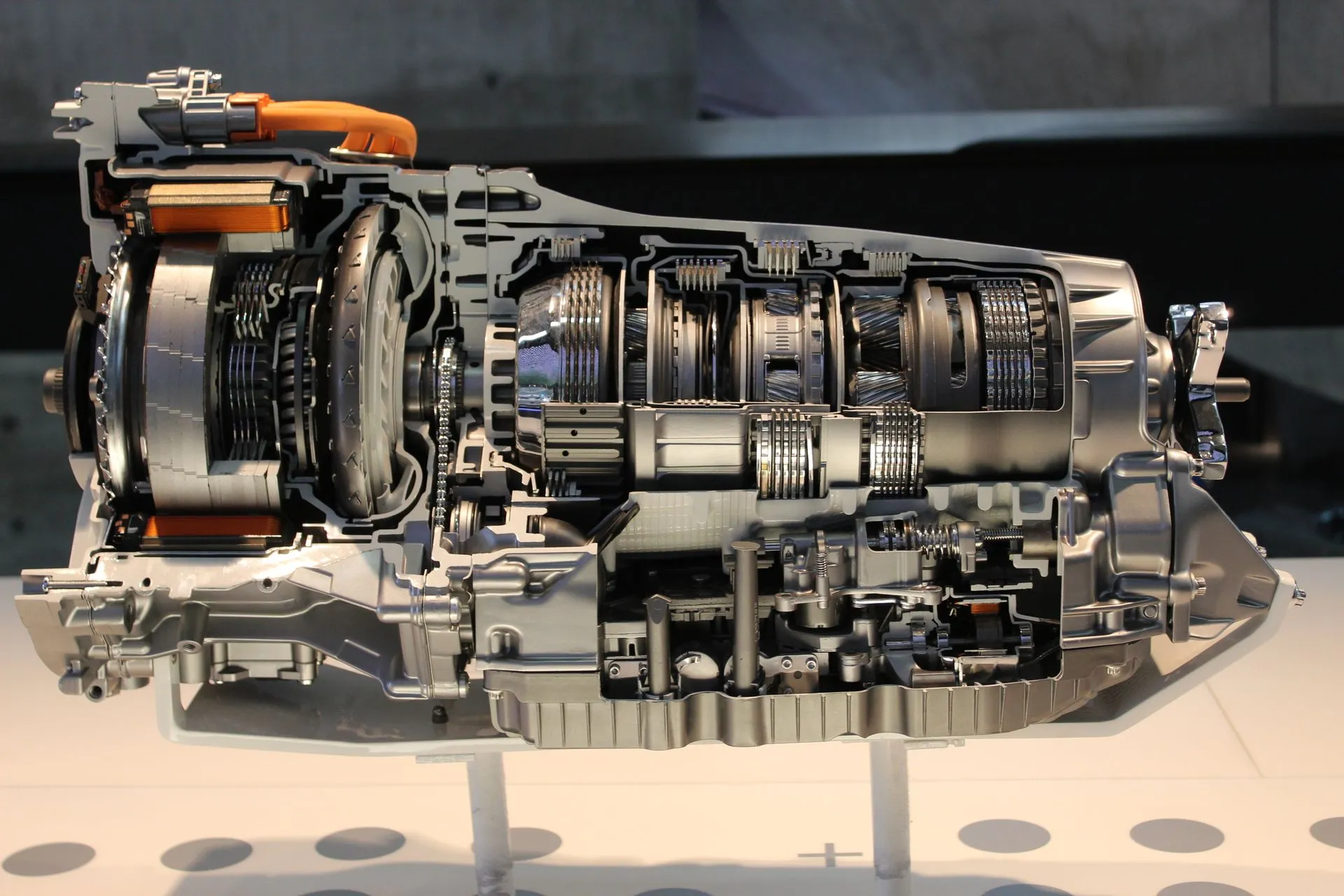
For employers and owner-operators, training is the ultimate insurance policy. A properly trained driver is not only safer but also more efficient. They know how to drive in a way that puts less wear and tear on the engine and transmission, and they know how to spot mechanical issues during pre-trip inspections before those issues turn into expensive roadside breakdowns. Whether you are funding your own training at a private school or participating in a company-sponsored program, the time and financial investment you put into learning the craft pays off in professional longevity.
Ultimately, the trucking industry relies on skilled drivers who respect the weight and responsibility of their equipment. When you combine high-quality trucks with the right training, you create a standard of excellence that keeps the supply chain moving and, more importantly, keeps everyone on the highway safe.
































Sign in to leave a comment.